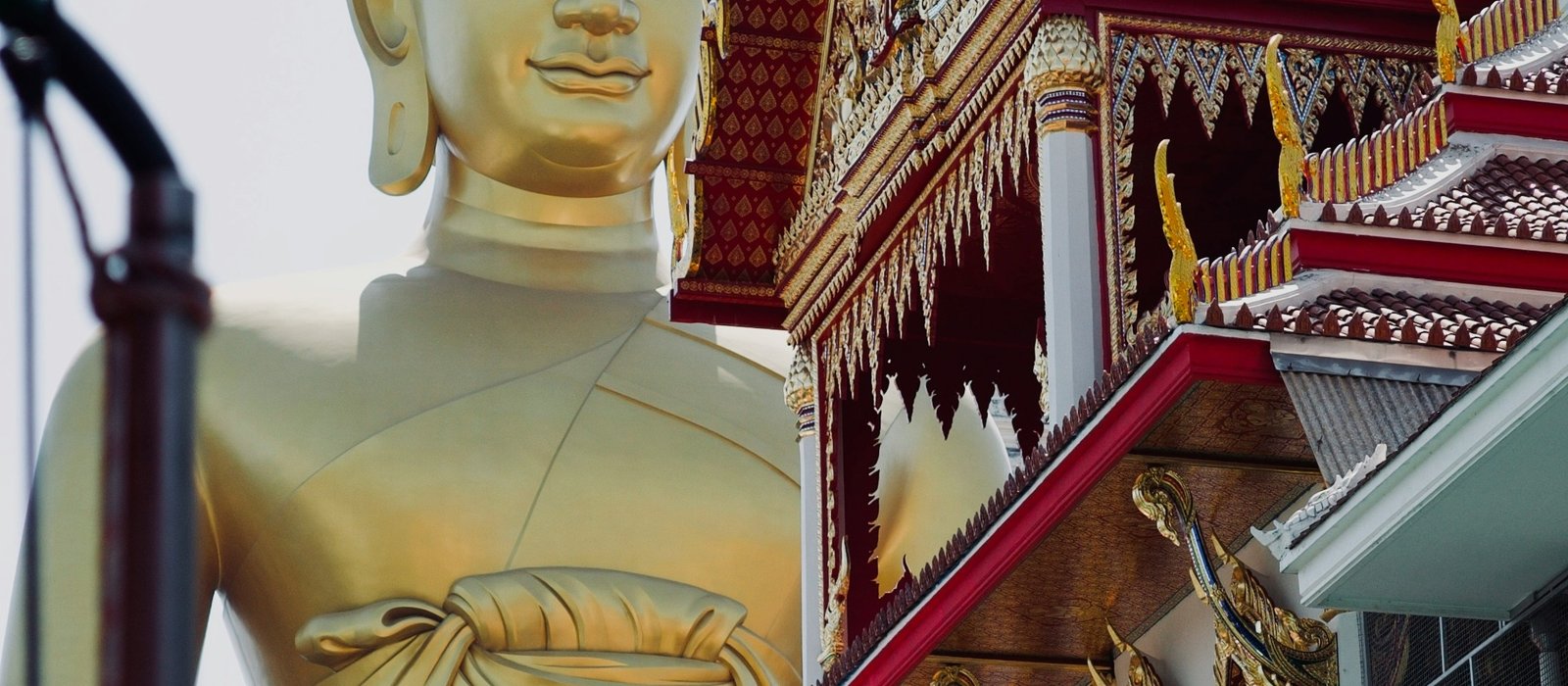
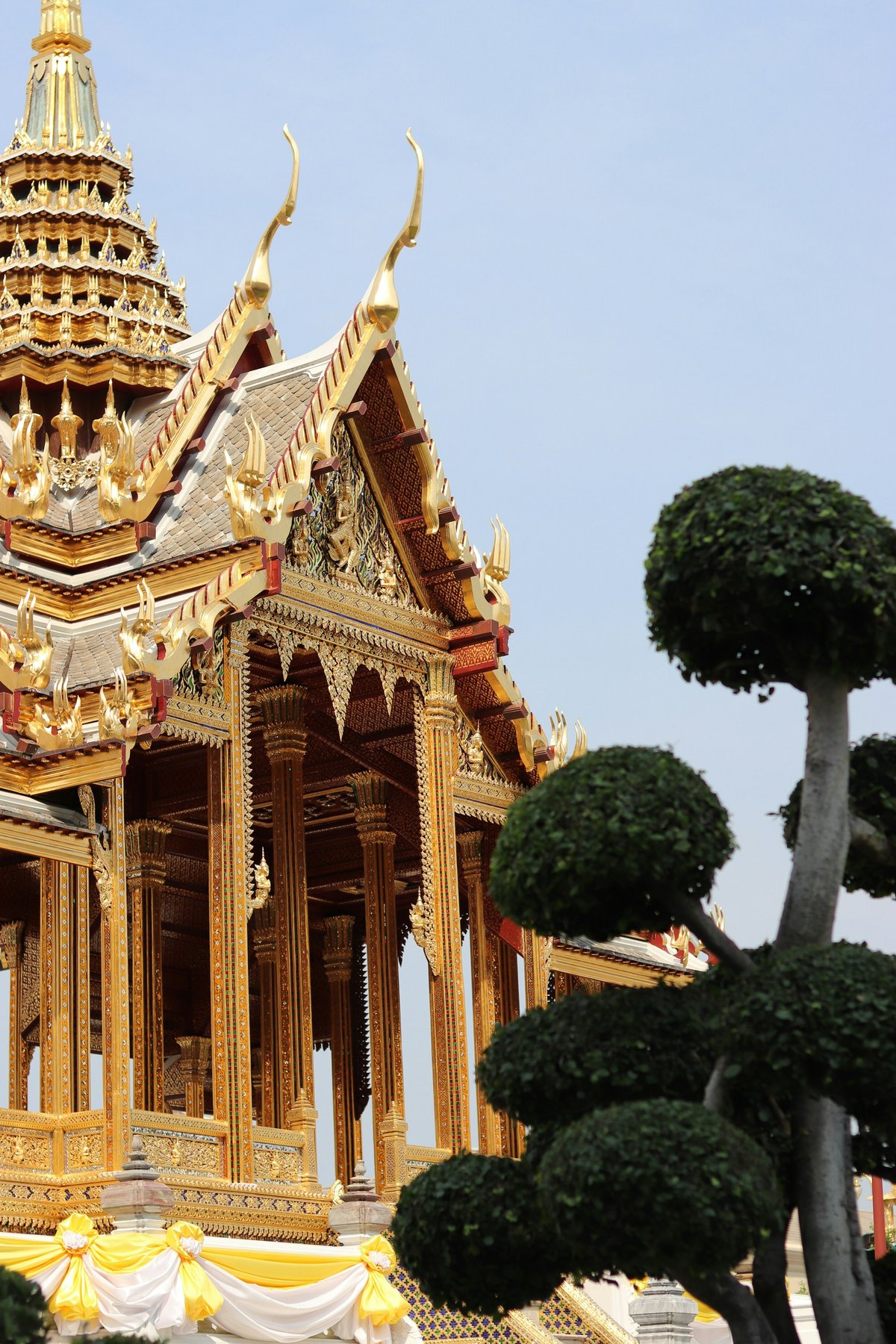
Temples — wats — are the spiritual and artistic heart of Thailand, and visiting them is central to any trip. From gilded royal temples to surreal modern creations and atmospheric ancient ruins, Thailand's temples are astonishingly varied and beautiful. Here's a guide to the country's best, region by region, and what makes each special.
A reminder before you go: temples are active places of worship with a dress code — cover shoulders and knees, and remove your shoes before entering buildings. Always treat Buddha images respectfully. With tens of thousands of temples across the country, you'll never see them all — so the goal is to choose a handful of the most special and give them the unhurried time they deserve rather than rushing through dozens.
Bangkok's great temples
The capital holds Thailand's most famous trio. The Grand Palace and Wat Phra Kaew house the sacred Emerald Buddha and are the country's most dazzling royal complex — unmissable, if busy and strict on dress. Nearby Wat Pho contains the enormous gold Reclining Buddha and is the home of Thai massage. Across the river, Wat Arun, the Temple of Dawn, is a striking spire best seen glowing at sunset. Together these three are the cornerstone of any Bangkok visit.
The north: Chiang Mai and Chiang Rai
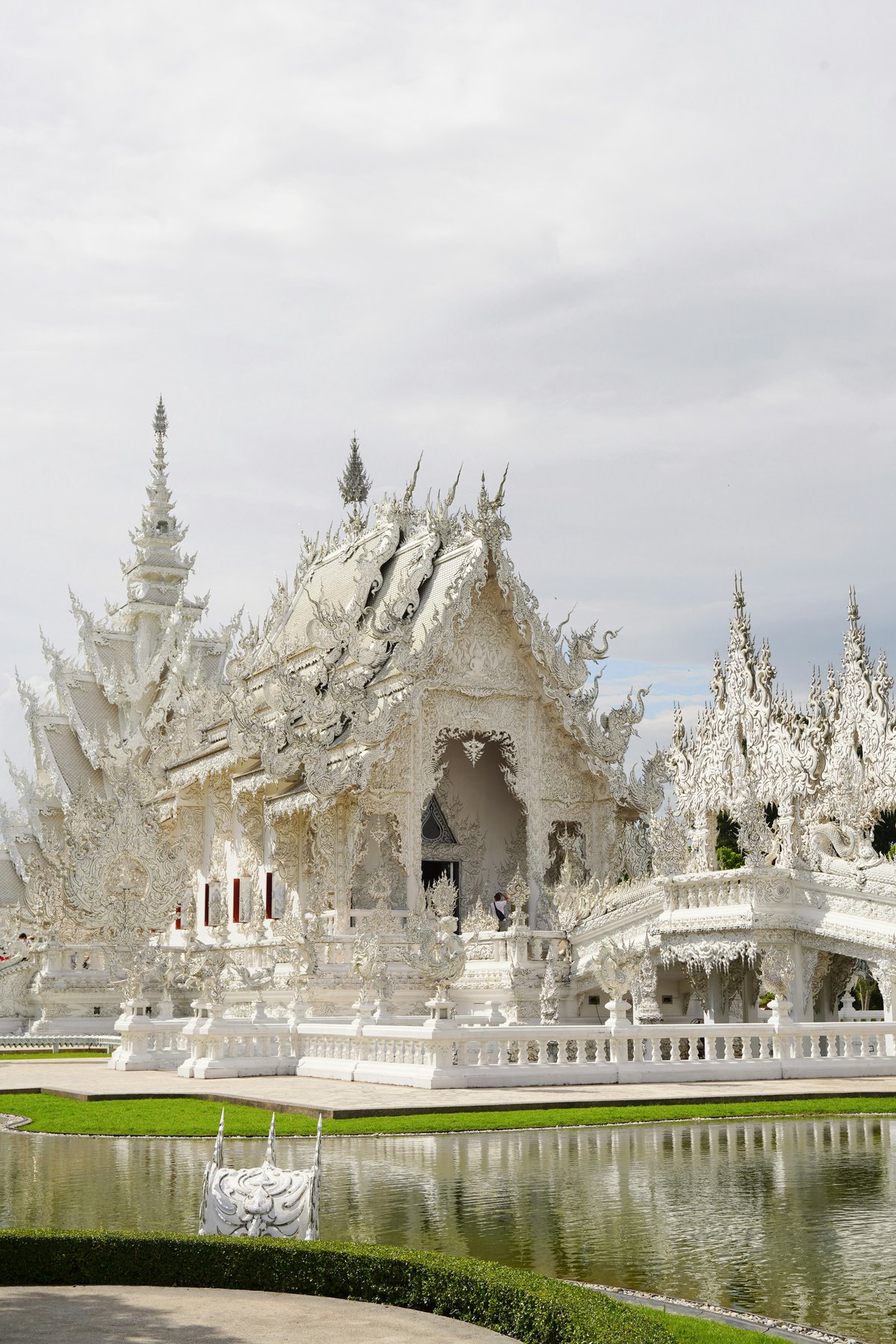
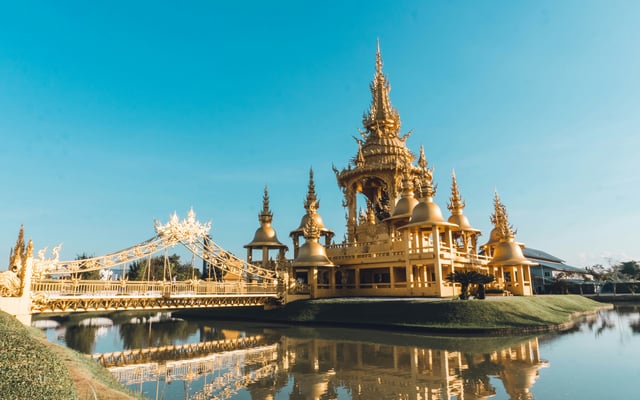
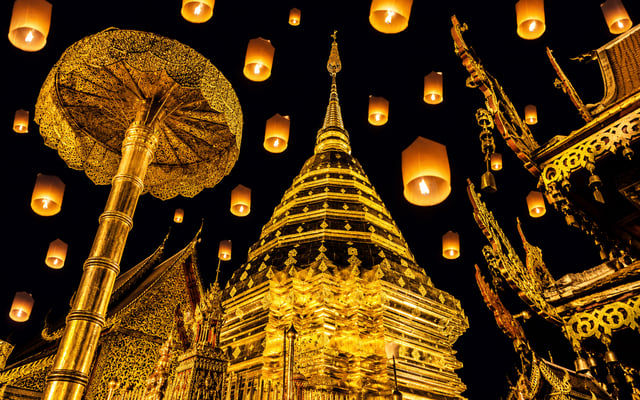
The north offers a different temple character. In Chiang Mai, the mountain temple Wat Phra That Doi Suthep glitters above the city with sweeping views, while the old city brims with ancient wats like Wat Chedi Luang. In Chiang Rai, two extraordinary modern temples astonish visitors: the dazzling all-white Wat Rong Khun (White Temple) and the vivid Wat Rong Suea Ten (Blue Temple) — surreal contemporary creations unlike anything else in the country.
The ancient capitals: Ayutthaya and Sukhothai
For atmospheric ruins, Thailand's former capitals are extraordinary. Ayutthaya, near Bangkok, is a UNESCO park of crumbling temples and the iconic Buddha head entwined in tree roots at Wat Mahathat. Further north, Sukhothai — Thailand's first capital — has a beautiful historical park of graceful 13th–14th century temples and serene Buddha images, widely considered the finest of the ancient sites and wonderfully peaceful to explore by bicycle.
Temples beyond the famous names
Thailand has tens of thousands of temples, and some lesser-known ones are spectacular. The White Temple of the northeast, the cliff and cave temples around Krabi and the south, the Khmer ruins of Phanom Rung in Isan, and countless village wats across the country all reward exploration. Part of the joy is stumbling on a beautiful, near-empty temple far from the tour buses, where you can sit quietly and absorb the atmosphere.
Understanding what you're seeing
Thai temples follow a rich symbolic language that's worth knowing to appreciate them fully. The chedi (or stupa) — the bell-shaped or spire-like structure — often houses relics and represents the Buddha's enlightened mind. The ubosot is the ordination hall, the most sacred building, where the principal Buddha image sits. The prang is the corn-cob-shaped Khmer-style tower seen at places like Wat Arun and Ayutthaya. Naga serpents guard staircases, and the postures of Buddha images each carry meaning (the reclining pose represents his passing into nirvana). A little of this context transforms temple visits from admiring pretty buildings into reading a centuries-old spiritual story written in stone and gold.
Tips for temple visiting
Dress appropriately (shoulders and knees covered; carry a scarf or sarong). Remove shoes before entering buildings. Visit early to beat heat and crowds at popular sites. Behave respectfully — quiet voices, no pointing feet at Buddha images, women never touching monks. Don't temple-overload — a few well-chosen temples beat a dozen rushed ones, since they can blur together. And consider a guide at major sites to bring the history and symbolism alive. Many temples are free or charge a small fee; check a live converter rather than a fixed figure:
100 USD ≈ … THB (enable JavaScript for today's rate)
FAQ
What are the best temples to visit in Thailand?
Bangkok's Grand Palace/Wat Phra Kaew, Wat Pho, and Wat Arun; Chiang Mai's Doi Suthep; Chiang Rai's White and Blue Temples; and the ancient ruins of Ayutthaya and Sukhothai are the standouts.
What is the White Temple?
Wat Rong Khun in Chiang Rai — a dazzling, all-white contemporary temple covered in intricate detail and mirrored glass, one of Thailand's most striking and unusual modern temples.
What should I wear to visit temples?
Cover your shoulders and knees, and remove your shoes before entering temple buildings. Carry a scarf or sarong as an easy cover-up. The Grand Palace enforces the dress code strictly.
Which ancient temple ruins are best?
Sukhothai (Thailand's first capital) is often considered the finest and most serene, while Ayutthaya near Bangkok is the most accessible, famous for the Buddha head in tree roots. Both are atmospheric UNESCO sites.
Keep planning
Not sure how it all fits together?
Pick your trip length and we'll route a real day-by-day plan.