Isan — Thailand's vast northeastern region — is the part of the country most tourists never see, and that's precisely its appeal. Off the standard trail, it offers a deeper, more authentic slice of Thai life: distinctive food and culture, ancient Khmer temples, friendly locals, and almost no crowds. For adventurous travelers wanting the real Thailand beyond the beaches, Isan rewards the effort with experiences and a sense of discovery that the well-trodden tourist circuit simply can't match. Here's a guide.
What and where is Isan?
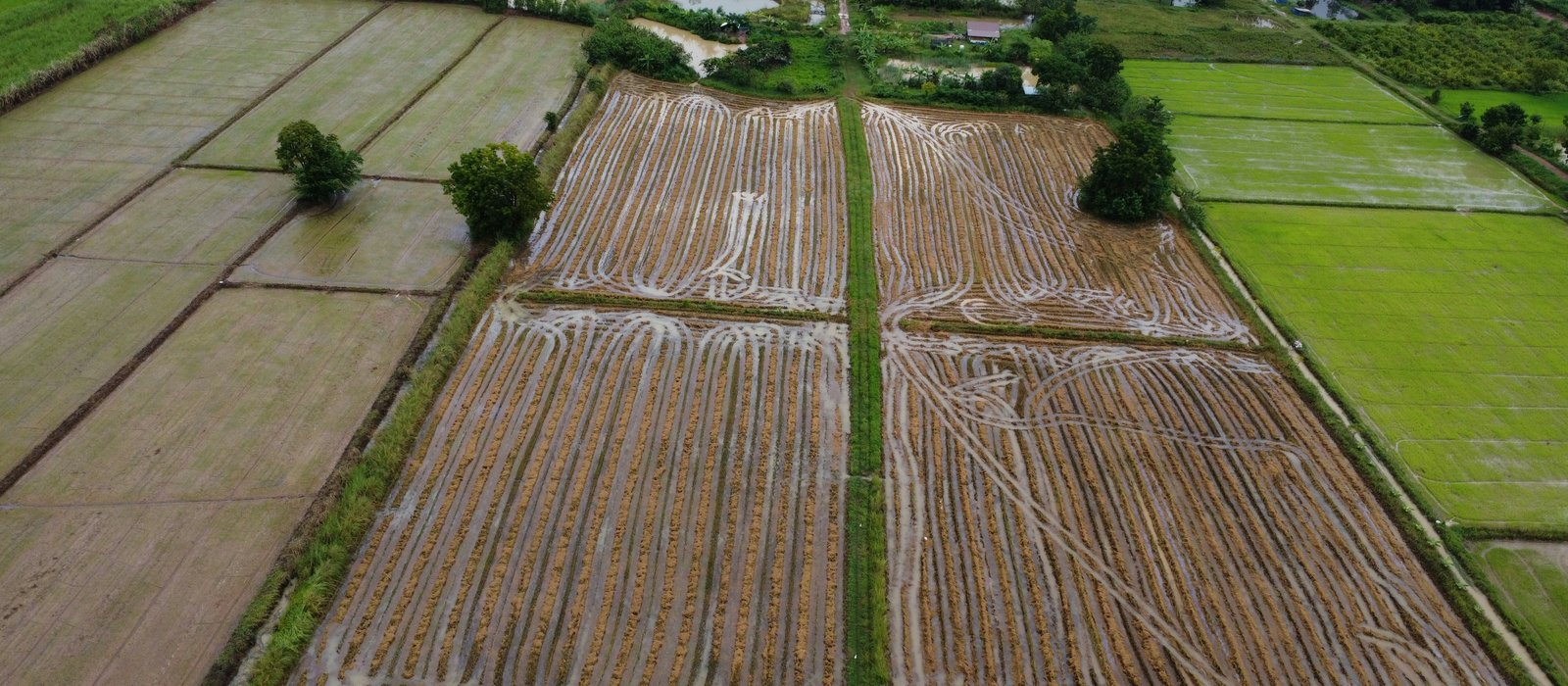
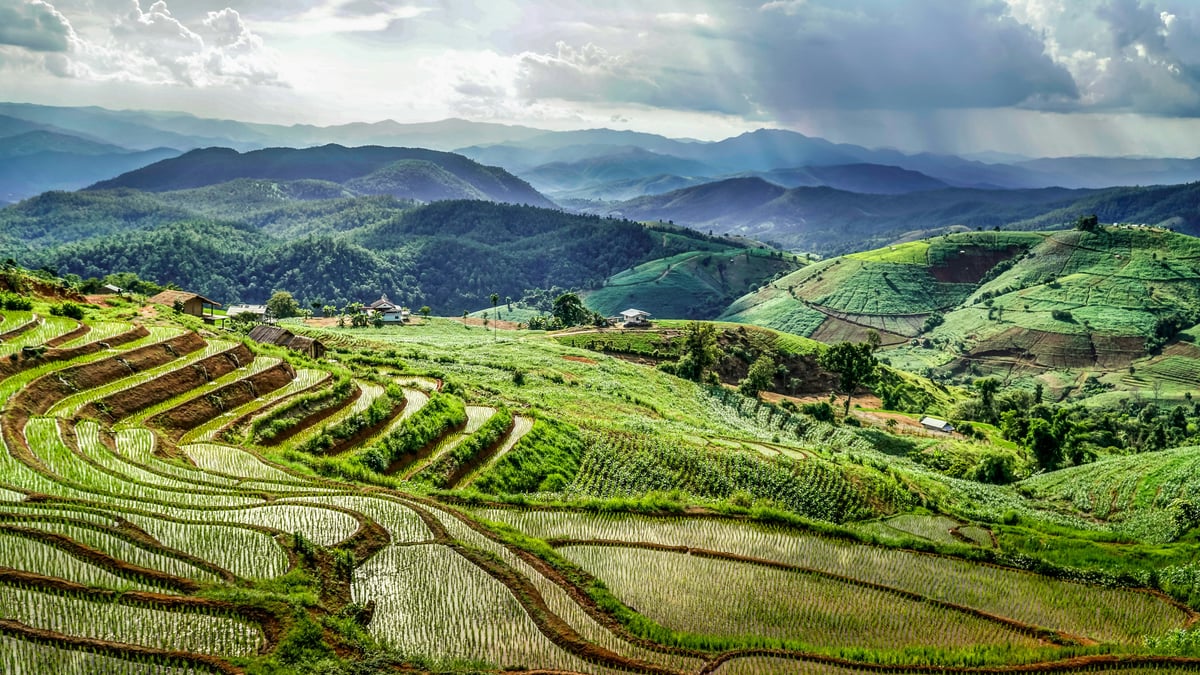
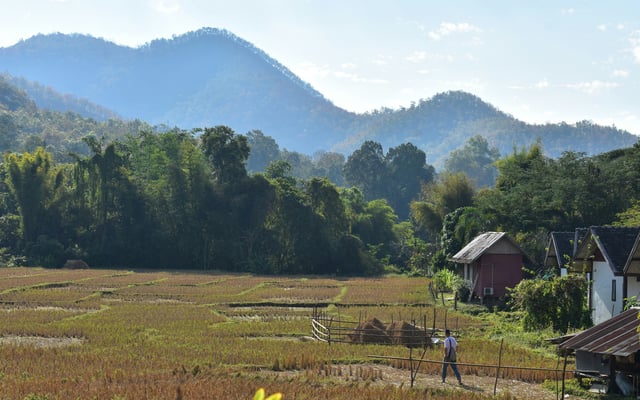
Isan (also spelled Isaan) covers the broad northeastern plateau of Thailand, bordering Laos and Cambodia. It's the country's largest and most populous region, yet the least visited by foreign tourists — a land of rice fields, the Mekong River along its edge, and a culture distinct from the rest of Thailand, with strong Lao and Khmer influences. This is agricultural heartland, the source of much of Thailand's labor and many of its most famous dishes. Many of the workers you meet in Bangkok's restaurants and on the islands hail from Isan, sending money home to the northeast — a connection that means the region's culture quietly permeates the whole country even though few visitors ever set foot there.
The food — some of Thailand's best
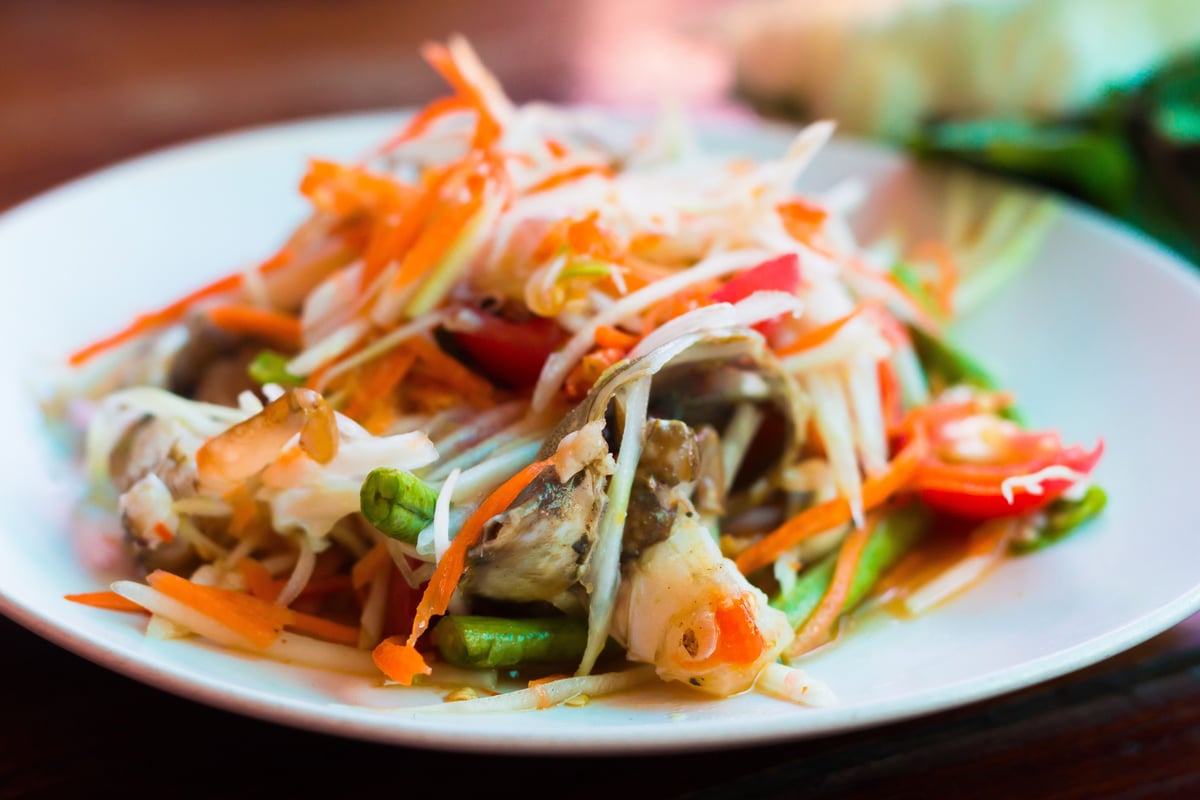
Here's a reason to go on its own: much of the Thai food the world loves comes from Isan. The famous trio of som tum (spicy green papaya salad), gai yang (grilled chicken), and sticky rice is Isan's gift to Thai cuisine, along with laab (a zesty minced-meat salad) and a host of bold, spicy, fermented flavors. Eating Isan food at its source — fresh, fiery, and authentic — is a highlight for any food lover, and it's everywhere and cheap in the region.
The Khmer ruins
Long before the Thai kingdoms, this region was part of the Khmer Empire, and Isan holds some of the most impressive Khmer temple ruins outside Cambodia. Phanom Rung, a magnificent hilltop sanctuary, is the standout — often compared to Angkor and far less crowded. Phimai is another major Khmer site. For history lovers, these ancient sandstone temples, beautifully set and almost empty of tourists, are a revelation.
Other highlights
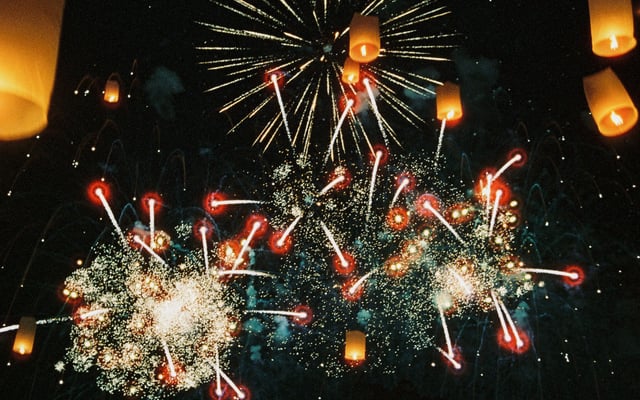
Isan rewards exploration. The Mekong River towns like Nong Khai and Nakhon Phanom offer riverside calm and views across to Laos. Khao Yai National Park sits on the region's edge. There are unusual sights like the surreal sculpture parks, vibrant silk-weaving villages, prehistoric rock art, and lively local festivals (the Rocket Festival and candle festivals are famous). Cities like Khon Kaen and Udon Thani serve as friendly, workaday bases.
The culture and the people
What truly sets Isan apart is its distinct identity within Thailand. The region has its own language (Isan, closely related to Lao), its own music (the lively, accordion-and-pipe-driven mor lam and luk thung that you'll hear across the country), and its own traditions and festivals. Isan people are known throughout Thailand for their warmth, resilience, and humor, and a great deal of the country's cultural and culinary identity flows from this region despite — or because of — its relative economic hardship. Traveling here, you encounter a Thailand that feels less polished for tourists and more genuinely lived-in, where a smile and a few words of Thai open doors and the welcome is heartfelt.
Why visit Isan — and what to expect
Visit Isan if you want authentic, off-the-beaten-path Thailand, love food and history, and enjoy connecting with everyday life away from tourist crowds. Expect fewer English speakers, less tourist infrastructure, and a need for more patience and independence than the well-trodden south — which is exactly what makes it rewarding. It's not a beach holiday or a first-timer's must; it's a region for curious, adventurous travelers wanting depth. Travel here is very cheap; check a live converter rather than a fixed figure:
100 USD ≈ … THB (enable JavaScript for today's rate)
FAQ
What is Isan in Thailand?
Isan is Thailand's northeastern region — its largest and most populous, bordering Laos and Cambodia, with a distinct culture influenced by both. It's the least-visited region by foreign tourists, which is part of its appeal.
Is Isan worth visiting?
For adventurous travelers wanting authentic, crowd-free Thailand with great food and history, yes. It's not a beach or first-timer destination, but it rewards those seeking depth and everyday Thai life off the trail.
What food is Isan known for?
Much-loved Thai dishes originate here — som tum (papaya salad), gai yang (grilled chicken), sticky rice, and laab (minced-meat salad), all bold, spicy, and best eaten at their source.
What are the main attractions in Isan?
The Khmer ruins of Phanom Rung and Phimai (Angkor-like and uncrowded), the Mekong River towns, silk-weaving villages, sculpture parks, and lively local festivals — plus Khao Yai National Park on its edge.
Isan — the northeast
Big distances, tiny crowds.
Loading map…
Keep planning
Not sure how it all fits together?
Pick your trip length and we'll route a real day-by-day plan.