West of Bangkok, Kanchanaburi pairs sobering WWII history with beautiful natural scenery — a combination that makes it one of central Thailand's most rewarding destinations. It's best known for the Bridge over the River Kwai and the "Death Railway," but it also offers waterfalls, national parks, and a laid-back riverside setting. Here's what to know.
The WWII history
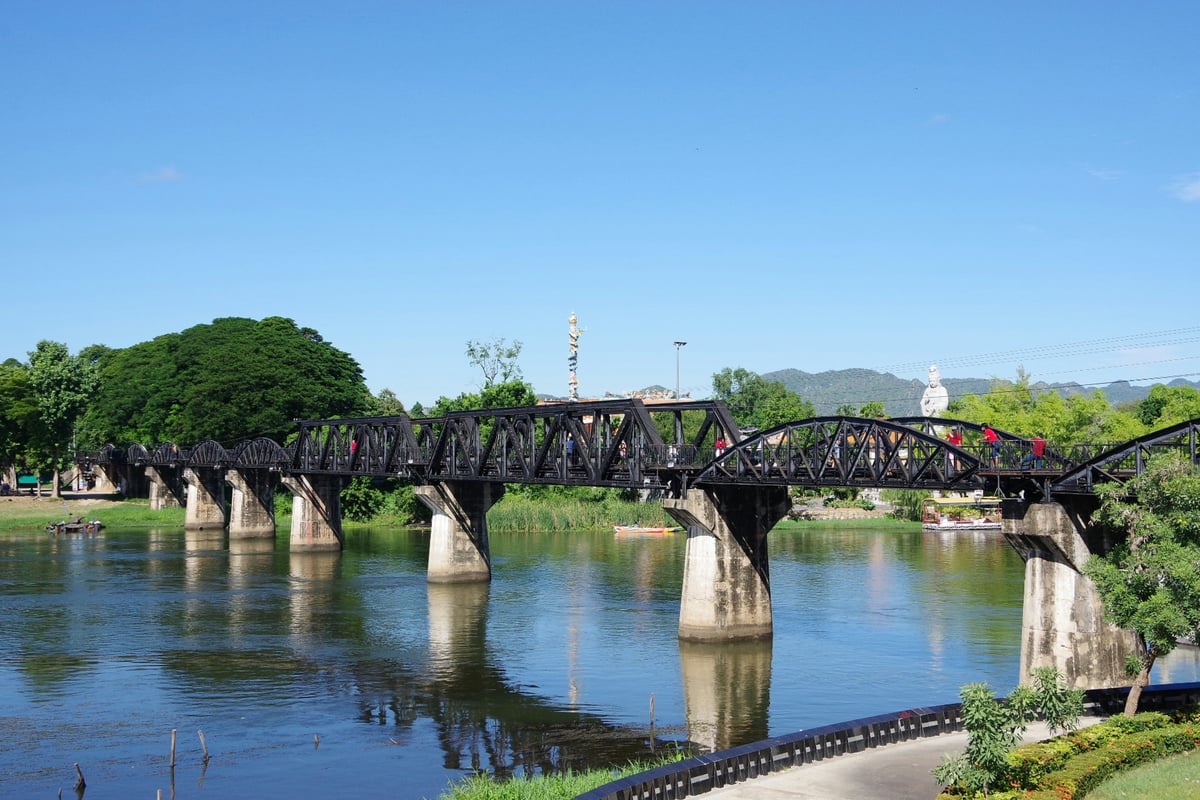
Kanchanaburi's somber heart is the story of the Thailand–Burma "Death Railway," built during World War II by Allied prisoners of war and conscripted laborers under brutal conditions, with enormous loss of life. The famous Bridge over the River Kwai is part of this railway, made internationally known by the film. Visiting the bridge, the moving war cemeteries, and the excellent museums (like the Thailand–Burma Railway Centre and Hellfire Pass) is a powerful, educational experience that gives the destination real depth.
Riding the Death Railway
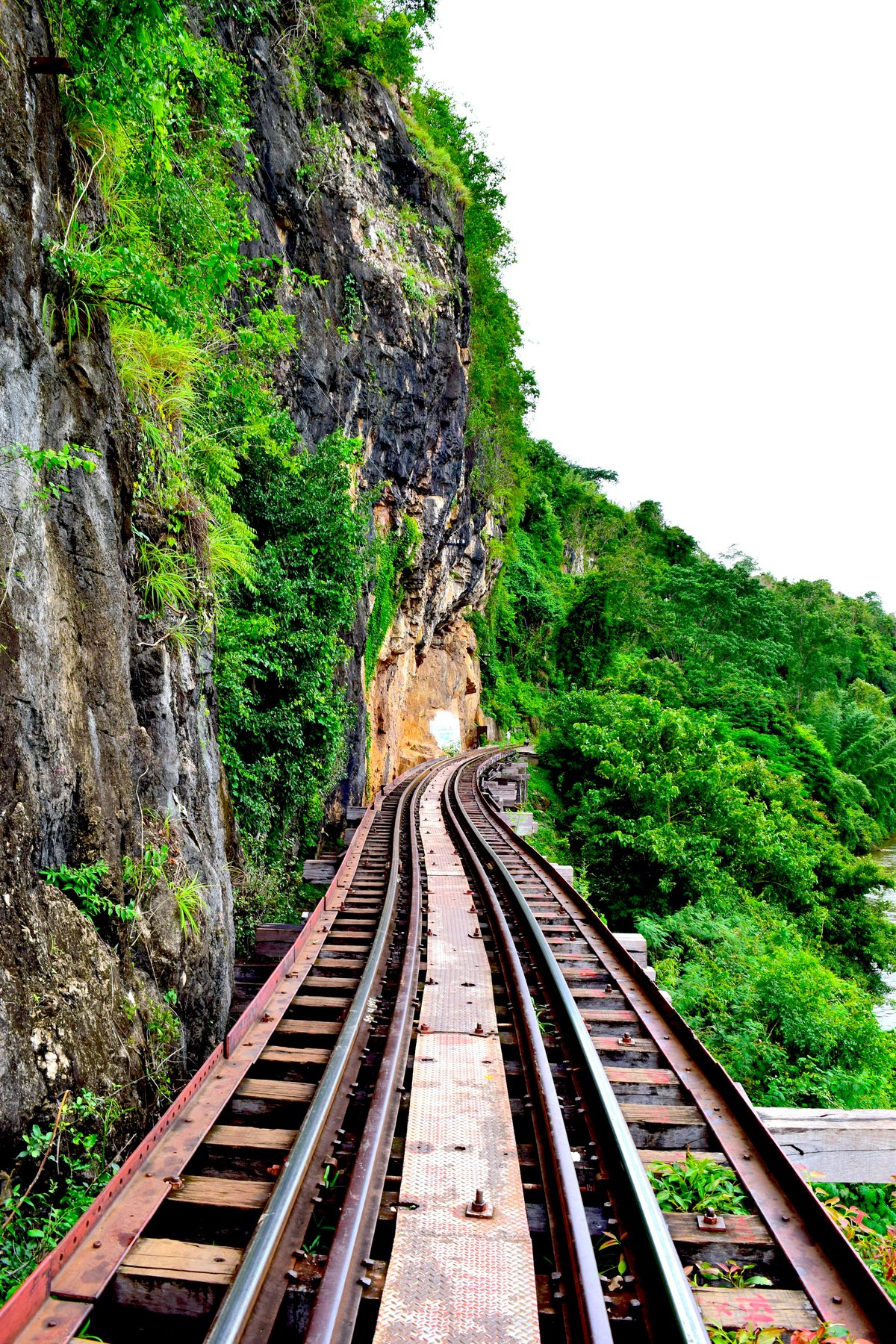
You can still ride a section of the historic railway, a poignant journey that clings to cliffs high above the river and crosses a series of original wooden trestle viaducts. The stretch around the dramatic Wampo Viaduct is especially striking. It's both a scenic train ride and a moving way to connect with the history — many visitors find it the most memorable part of a Kanchanaburi trip. The slow, rattling journey, with the river below and jungle-clad hills around you, makes the human cost of building this railway through such terrain feel viscerally real in a way that reading about it never quite does.
The nature: waterfalls and parks
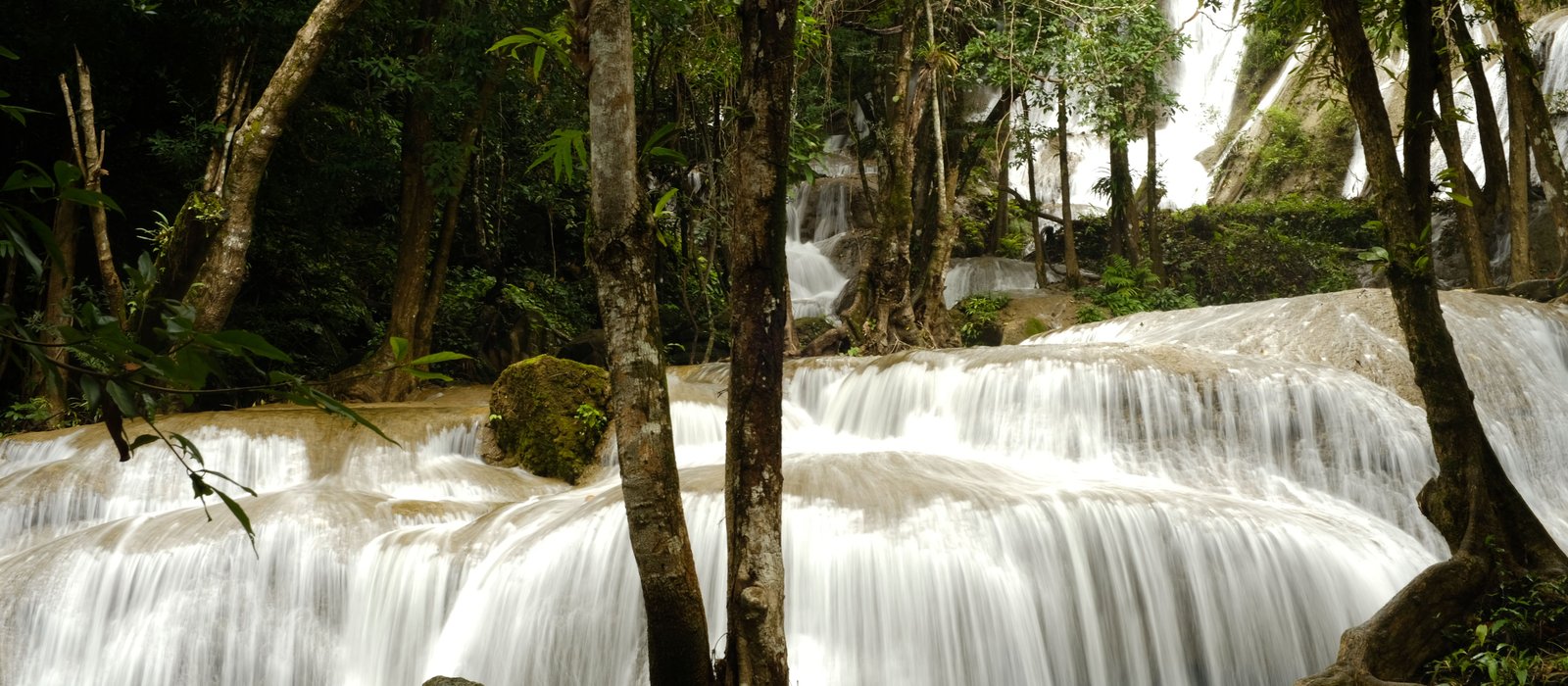
Kanchanaburi isn't only history. The surrounding province is lush and mountainous, with standout natural attractions. Erawan National Park is the highlight — a series of seven tiered, emerald-green waterfalls you can hike between and swim in, one of Thailand's most beautiful. There are caves, other national parks, and the broad river itself, often lined with floating raft houses and restaurants. The mix of history and nature is what makes the area special. You could easily spend a sombre morning at the war sites and museums, then a refreshing afternoon swimming beneath the Erawan falls — a contrast that captures the dual character of the place and gives a Kanchanaburi trip an emotional range few day-trip destinations offer.
Floating raft houses on the river
One of Kanchanaburi's distinctive pleasures is staying in a floating raft house on the River Kwai. These range from simple budget rooms to surprisingly stylish resorts, all built on pontoons right on the water, where you can swim straight off your deck and fall asleep to the gentle movement of the river. It's a genuinely memorable way to experience the area and a big part of why an overnight here is so appealing. Some of the livelier raft accommodations also feature floating restaurants and even music, so if you want peace, choose a quieter resort upstream rather than one of the party rafts.
How to get there and how long to stay
Kanchanaburi is about 2–3 hours west of Bangkok, reachable by train (including the historic line), bus, minivan, private car, or organized tour. While it can be done as a long day trip, it really rewards an overnight stay — there's enough to fill a couple of days (the history sites one day, Erawan and nature the next), and the riverside raft-house accommodation is a lovely experience in itself. For history and nature lovers, one or two nights is ideal.
Tips for visiting
Allow enough time — an overnight beats a rushed day trip. Visit the war sites respectfully, as they commemorate real suffering. Go to Erawan early to enjoy the falls before crowds and to allow time for the upper tiers. Bring swimwear for the waterfalls and water shoes for the rocks. And consider the historic train for at least part of the journey. Costs are modest; check a live converter rather than a fixed figure:
100 USD ≈ … THB (enable JavaScript for today's rate)
FAQ
What is Kanchanaburi known for?
The WWII Thailand–Burma "Death Railway" and the famous Bridge over the River Kwai, alongside moving war cemeteries and museums — plus beautiful nature like the Erawan waterfalls and national parks.
How do you get to Kanchanaburi from Bangkok?
It's about 2–3 hours west by train (including the historic line), bus, minivan, private car, or organized tour. The train is a scenic and fitting way to arrive.
Is Kanchanaburi worth an overnight?
Yes — there's enough for a couple of days (history sites one day, Erawan waterfalls and nature the next), and the riverside raft-house accommodation is a lovely experience. An overnight beats a rushed day trip.
What is Erawan National Park?
A beautiful park near Kanchanaburi famous for its seven tiers of emerald-green waterfalls, which you can hike between and swim in — one of Thailand's most scenic natural attractions.
Kanchanaburi’s main sights
Loading map…
Keep planning
Not sure how it all fits together?
Pick your trip length and we'll route a real day-by-day plan.