A Thai cooking class is one of the most rewarding and fun activities you can do in Thailand — and one of the few souvenirs you bring home in your own skills. You'll learn to make dishes you've been eating all trip, usually starting with a market tour, and come away able to recreate real Thai food in your own kitchen. Here's why it's worth it and how to choose a good one.
Why take a cooking class?
Beyond being genuinely enjoyable, a cooking class deepens your whole trip. You learn what's actually in the dishes you've been eating, demystify Thai ingredients and techniques, and gain a lasting skill. It's social, hands-on, and suits all ages and abilities, from complete beginners to keen home cooks. Classes are also a great way to meet other travelers, and the relaxed, convivial atmosphere makes them as much a social experience as a culinary one. For food lovers it's often a trip highlight, and even reluctant cooks tend to leave delighted — plus you eat everything you make, so it doubles as a great meal.
What to expect
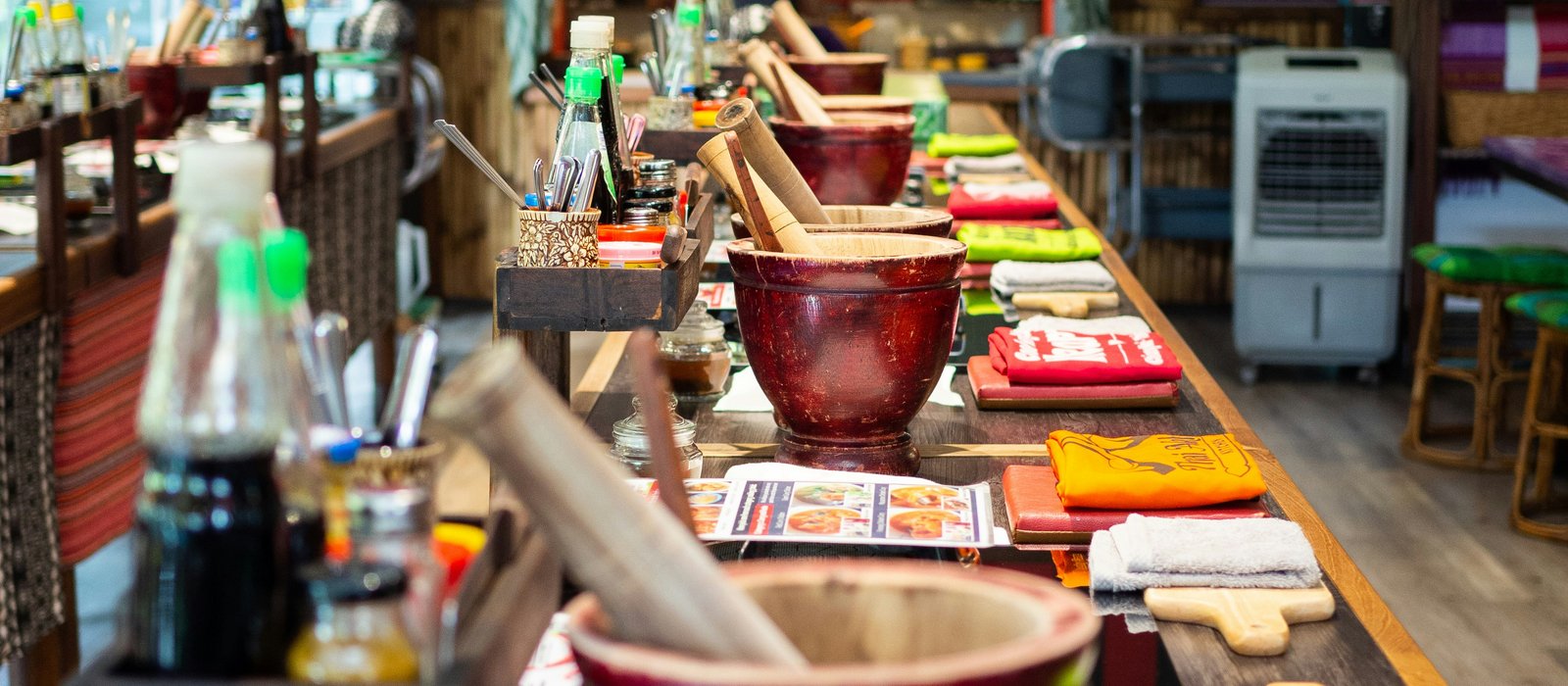
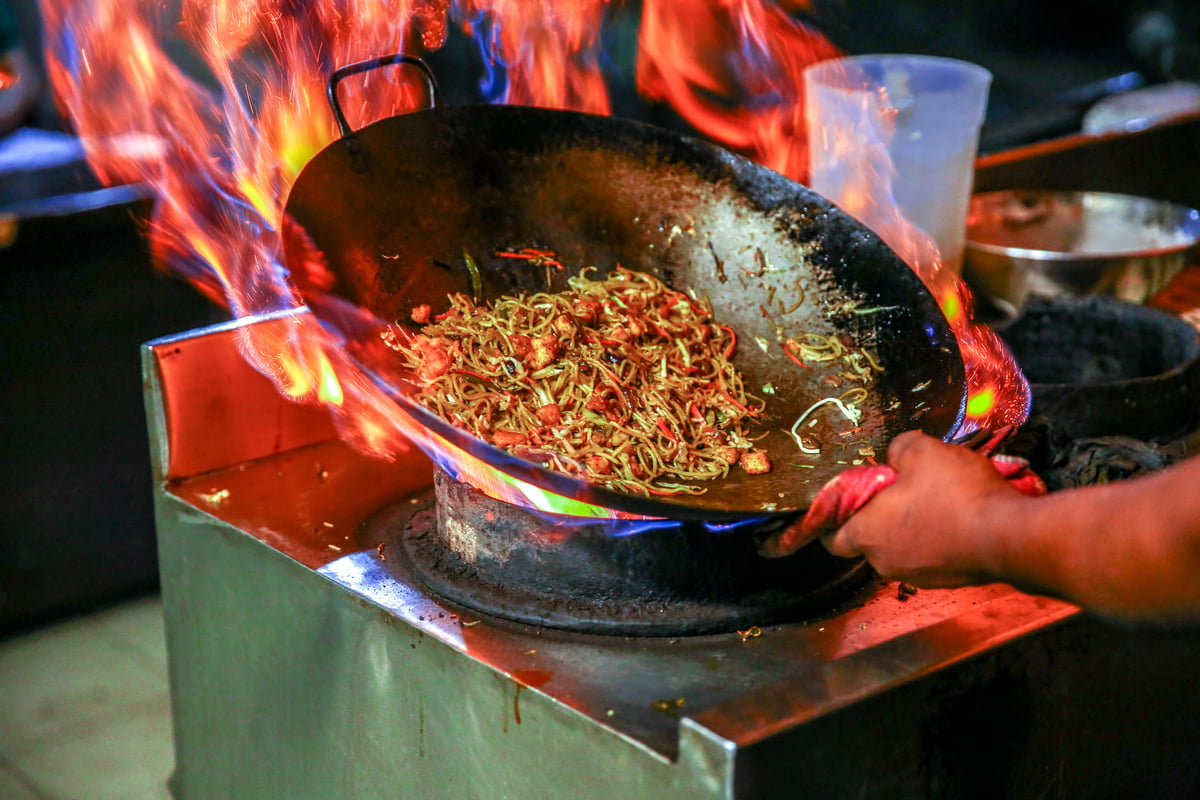
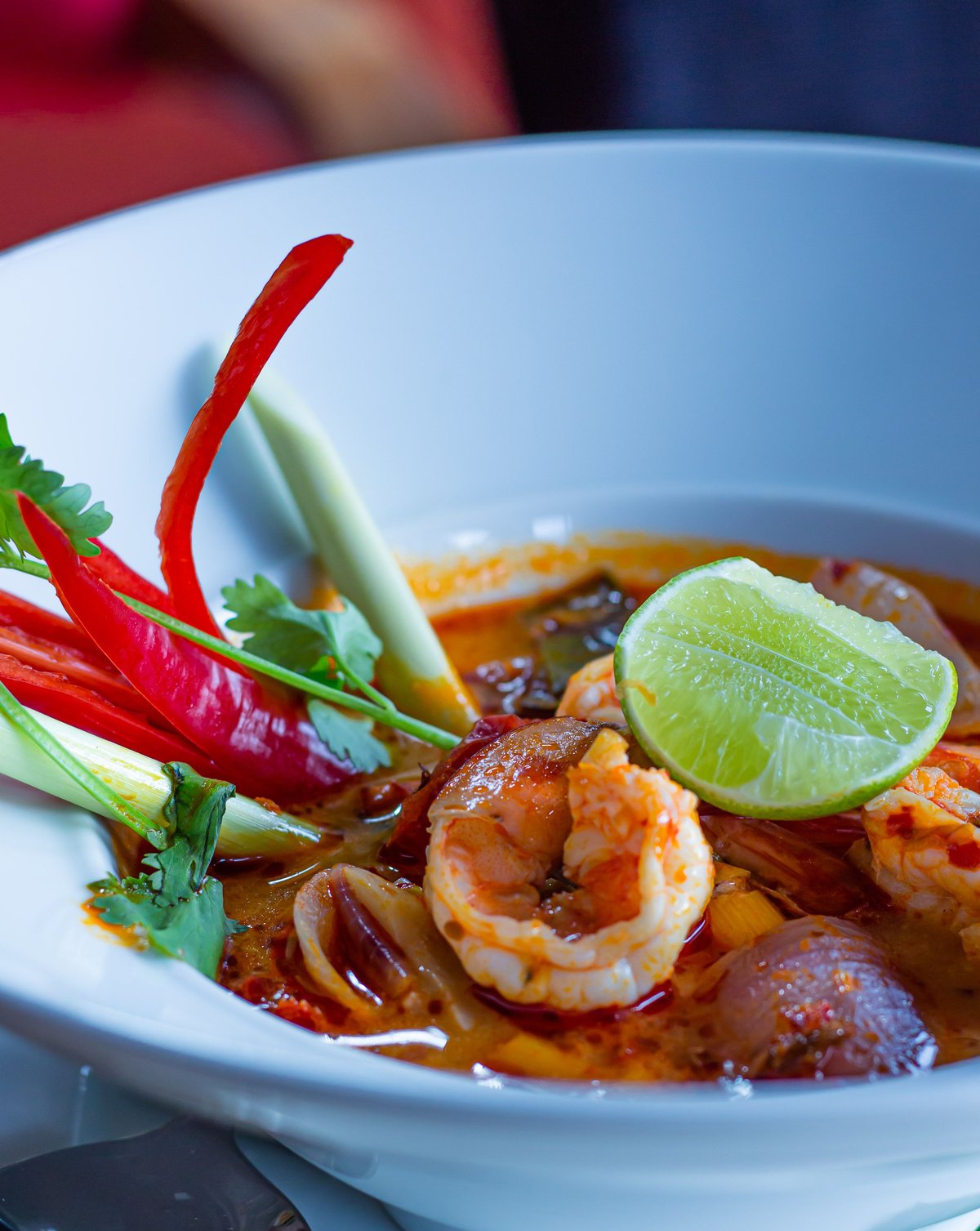
A typical class runs a half or full day and follows a familiar shape. Many start with a guided market visit, where the instructor introduces Thai vegetables, herbs, pastes, and ingredients. Back at the kitchen, you'll cook several dishes yourself — commonly a curry (often making the paste from scratch in a mortar and pestle), a stir-fry like pad thai or pad krapow, a soup such as tom yum, a salad like som tum, and a dessert like mango sticky rice. You eat each dish as you go, and usually take home a recipe booklet.
Where to take one
You can take a cooking class almost anywhere tourists go, but a few places stand out. Chiang Mai is often considered the best — it has a huge number of excellent, well-organized classes, many at scenic farm settings outside the city. Bangkok offers everything from market-tour classes to upscale culinary experiences. The islands (Phuket, Krabi, Koh Samui) have classes too, often with a beachy, resort feel. Wherever you are, you'll find an option.
How to choose a good class
Look for a class that includes a market tour (it adds a lot), has good recent reviews, offers a menu you're excited about (some let you choose your dishes), and keeps group sizes reasonable so you get hands-on time. Check whether it accommodates vegetarian or dietary needs if relevant. Farm-based classes outside the cities often include a lovely setting and a garden tour; city classes are more convenient. Both are great — pick based on your schedule and what you want to cook.
What you'll be able to cook afterward
The real payoff comes after the trip. A good class doesn't just walk you through recipes — it teaches you the building blocks of Thai cooking: how to balance the four core flavors (sweet, sour, salty, spicy), how to pound a curry paste, and how to handle ingredients like lemongrass, galangal, kaffir lime, and fish sauce. Armed with those fundamentals and your recipe booklet, you can recreate the dishes at home and improvise your own. Many travelers find that hunting down Thai ingredients at an Asian grocery back home and cooking a curry from scratch becomes a lasting reminder of the trip — a far more meaningful souvenir than anything you'd buy at a market.
Is it worth it?
For most travelers, absolutely. It's affordable, fun, educational, and gives you a skill and memories that outlast the trip — far more lasting than a typical souvenir. Unless you have no interest in cooking whatsoever, a Thai cooking class is one of the easiest activities to recommend, and a highlight of many people's time in the country. Costs are reasonable; check a live converter rather than a fixed figure:
100 USD ≈ … THB (enable JavaScript for today's rate)
FAQ
Is a Thai cooking class worth it?
For most travelers, yes — it's fun, affordable, and educational, and you come away able to recreate Thai dishes at home. It's often a trip highlight and a far more lasting souvenir than typical purchases.
What do you do in a Thai cooking class?
Usually a market tour to learn the ingredients, then you cook several dishes yourself — typically a curry (often making the paste), a stir-fry, a soup, a salad, and a dessert — eating each as you go and taking home recipes.
Where is the best place to take a cooking class in Thailand?
Chiang Mai is often considered the best, with many excellent classes including scenic farm settings. Bangkok and the islands also offer great options, so you'll find one wherever you are.
Typically a half or full day, depending on whether it includes a market tour and how many dishes you make. You eat everything you cook, so it doubles as a substantial meal.
Keep planning
Not sure how it all fits together?
Pick your trip length and we'll route a real day-by-day plan.