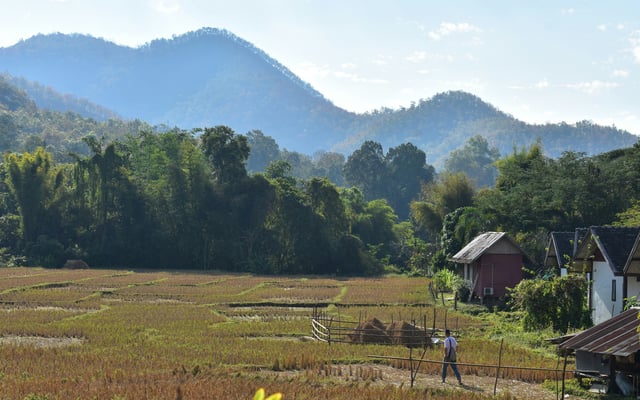
Chiang Mai is the relaxed, cultural counterpoint to Bangkok's intensity: a walkable old city ringed by mountains, full of temples, cooking schools, markets, and the country's most ethical elephant experiences. It's many travelers' favorite place in Thailand. Here's everything you need to know for a first visit.
How long to stay
Three to four days is ideal for a first visit — enough to cover the old-city temples, the mountain temple Doi Suthep, a cooking class, and a full day at an elephant sanctuary, with time for the markets. Add more days if you want to range further to Chiang Rai, Pai, or the national parks. Many travelers who intend to stay two or three days end up extending — Chiang Mai has a way of slowing people down, and the surrounding mountains hold more than a short visit can cover.
Where to stay
For a first trip, base in or near the Old City, the moated historic square where many temples, guesthouses, and the Sunday Walking Street are. For cafés, design hotels, and nightlife, the Nimman area near the university is the trendy alternative. The Riverside is quieter and scenic. The city is compact, so wherever you stay, the rest is a short songthaew ride away.
The must-do experiences
Temples
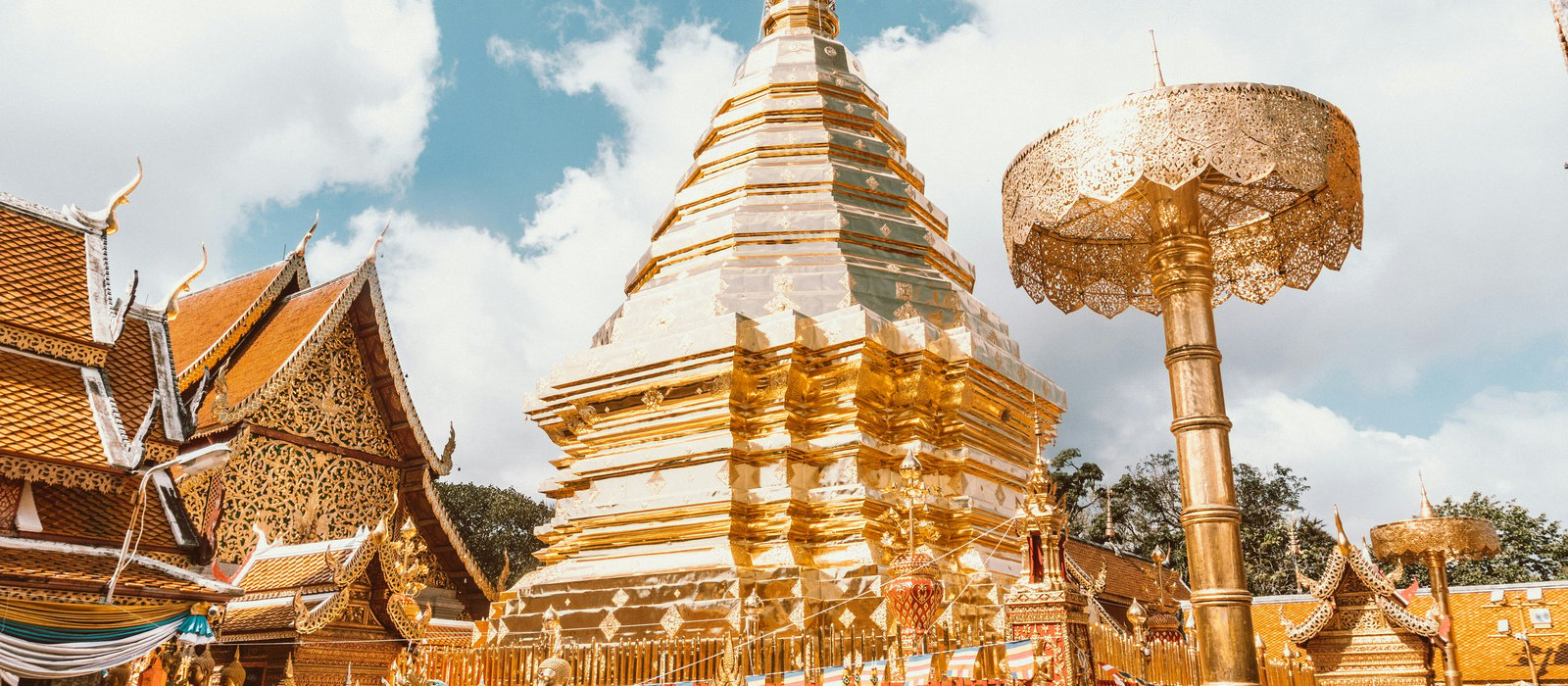
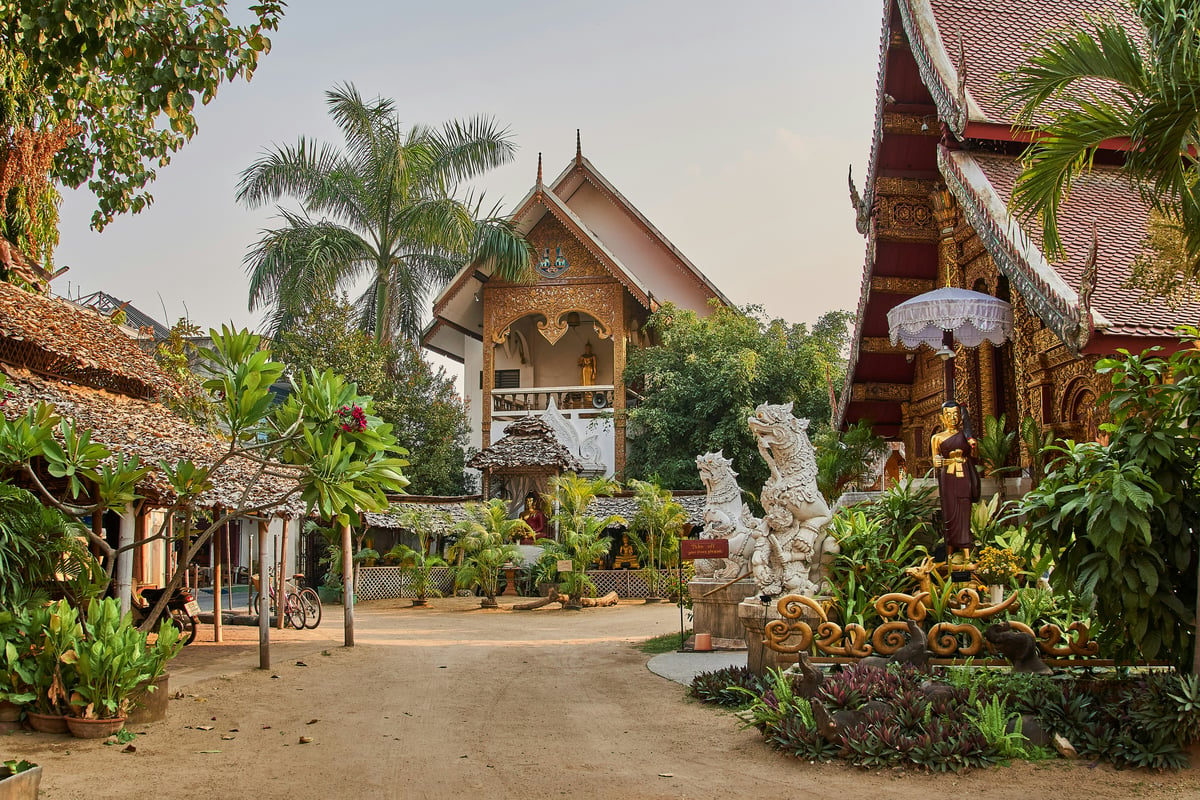
Explore the Old City temples on foot — Wat Chedi Luang (a massive ruined chedi), Wat Phra Singh, and many smaller wats — then head up the mountain to Wat Phra That Doi Suthep, the glittering hilltop temple that overlooks the city and is Chiang Mai's most iconic sight.
An ethical elephant sanctuary
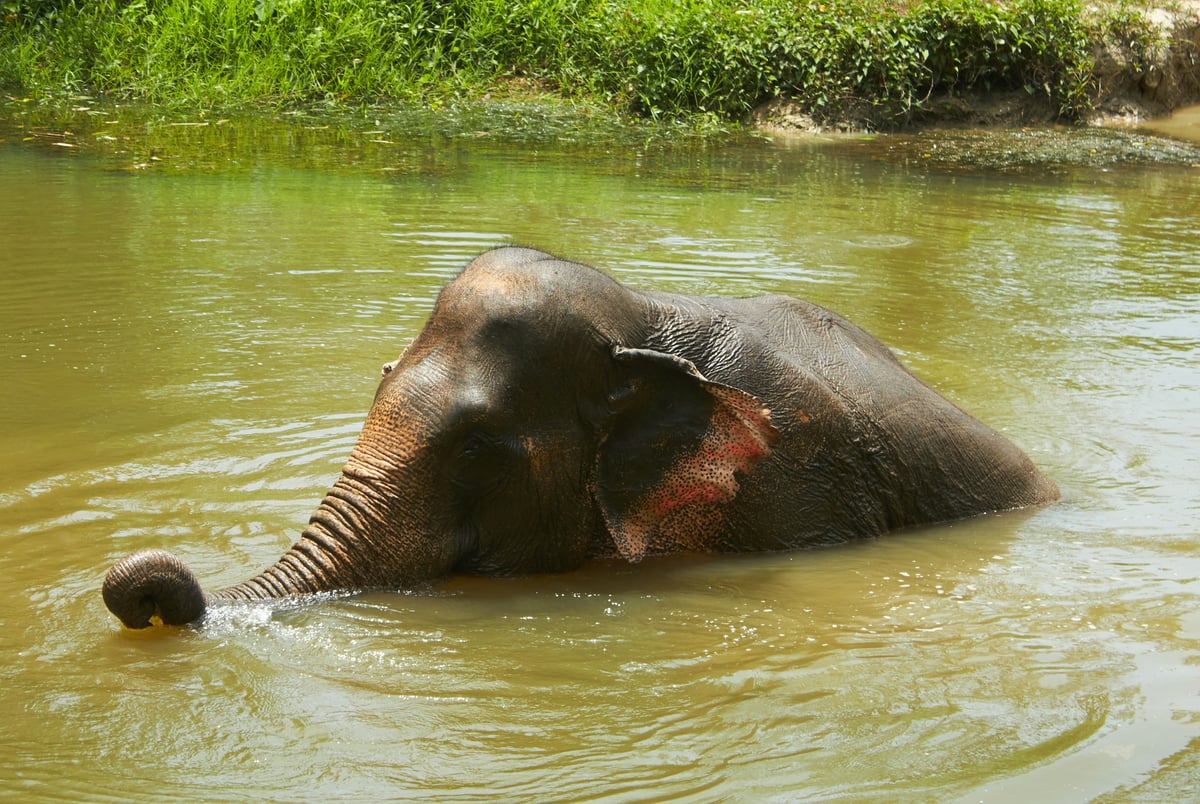
The northern highlight for many. Choose an observation-only sanctuary (no riding) where you can see rescued elephants roam, feed, and bathe. Book a reputable one in advance; it's typically a full day including transport, and it's one of the most memorable experiences in Thailand.
A Thai cooking class
Chiang Mai is one of the best places in the country to learn Thai cooking. Most classes include a local market tour and teach you several dishes you can recreate at home — a fun, hands-on half or full day.
Eat the northern specialties
The north has its own cuisine. Don't miss khao soi, a rich coconut-curry noodle soup that's the region's signature dish, along with sai ua (northern herb sausage) and the array of dips and vegetables that define Lanna food. The night markets and the Sunday Walking Street are great places to graze.
Getting there and around
Reaching Chiang Mai is easy: fly from Bangkok (about 1h15) on frequent cheap flights, or take the atmospheric overnight sleeper train if you'd rather trade a night for the scenery and save a hotel. Once there, the city is one of the most relaxed in Thailand to navigate — songthaews (shared red trucks) run informal routes for a small flat fare, Grab works well, and the compact Old City is walkable. For the mountain temples and day trips, most travelers join a tour or hire a driver rather than self-driving the winding roads.
How Chiang Mai compares to Bangkok
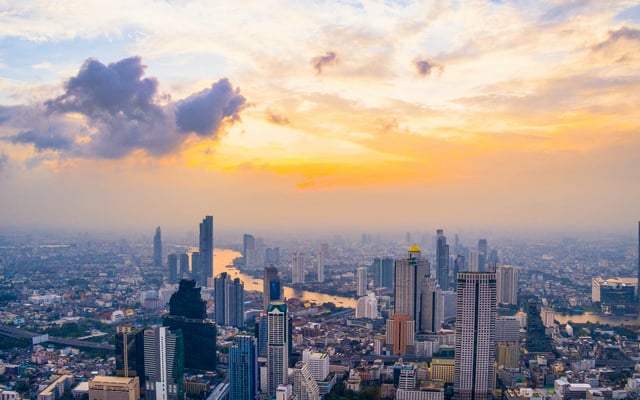
Many travelers find Chiang Mai the more enjoyable of the two to spend time in. Where Bangkok is hot, vast, and frenetic, Chiang Mai is cooler (thanks to its elevation and mountains), smaller, greener, and far more laid-back. The food, the temples, and the access to nature and elephants give it a different character — more about slow immersion than big-city spectacle. It's also notably cheaper. If Bangkok overwhelms you, Chiang Mai is likely to win you over.
When to go
The best time is the cool, dry season from November to February, when the weather is pleasant and clear — though this is also peak season and around the Yi Peng and Loy Krathong lantern festivals the city fills fast. Crucially, avoid the burning season (roughly February–April), when agricultural fires send air quality plummeting. Costs in Chiang Mai are low and it's excellent value; check a live converter rather than a fixed figure:
100 USD ≈ … THB (enable JavaScript for today's rate)
FAQ
How many days do I need in Chiang Mai?
Three to four for a first visit — enough for the temples, Doi Suthep, a cooking class, and an elephant sanctuary, with time for markets. Add days to reach Chiang Rai, Pai, or the parks.
What's the must-do experience in Chiang Mai?
For many, a day at an ethical, observation-only elephant sanctuary — alongside the old-city temples, Doi Suthep, and a Thai cooking class.
When should I avoid visiting Chiang Mai?
The burning season, roughly February to April, when agricultural fires cause poor air quality. The cool, dry months of November to February are best.
What food is Chiang Mai known for?
Khao soi, a coconut-curry noodle soup, is the signature northern dish, along with sai ua (herb sausage) and other Lanna specialties found at the night markets.
Getting oriented in Chiang Mai
The old city is walkable; Doi Suthep watches over it from the west.
Loading map…
Keep planning
Not sure how it all fits together?
Pick your trip length and we'll route a real day-by-day plan.