The mountains and jungles of northern Thailand are one of the country's great adventure draws, offering treks through lush forest, to waterfalls and viewpoints, and to the villages of the region's hill-tribe communities. Based out of Chiang Mai or Chiang Rai, a trek is a wonderful way to experience the north's nature and cultures. Here's what to expect and how to choose a good one.
What trekking in the north involves
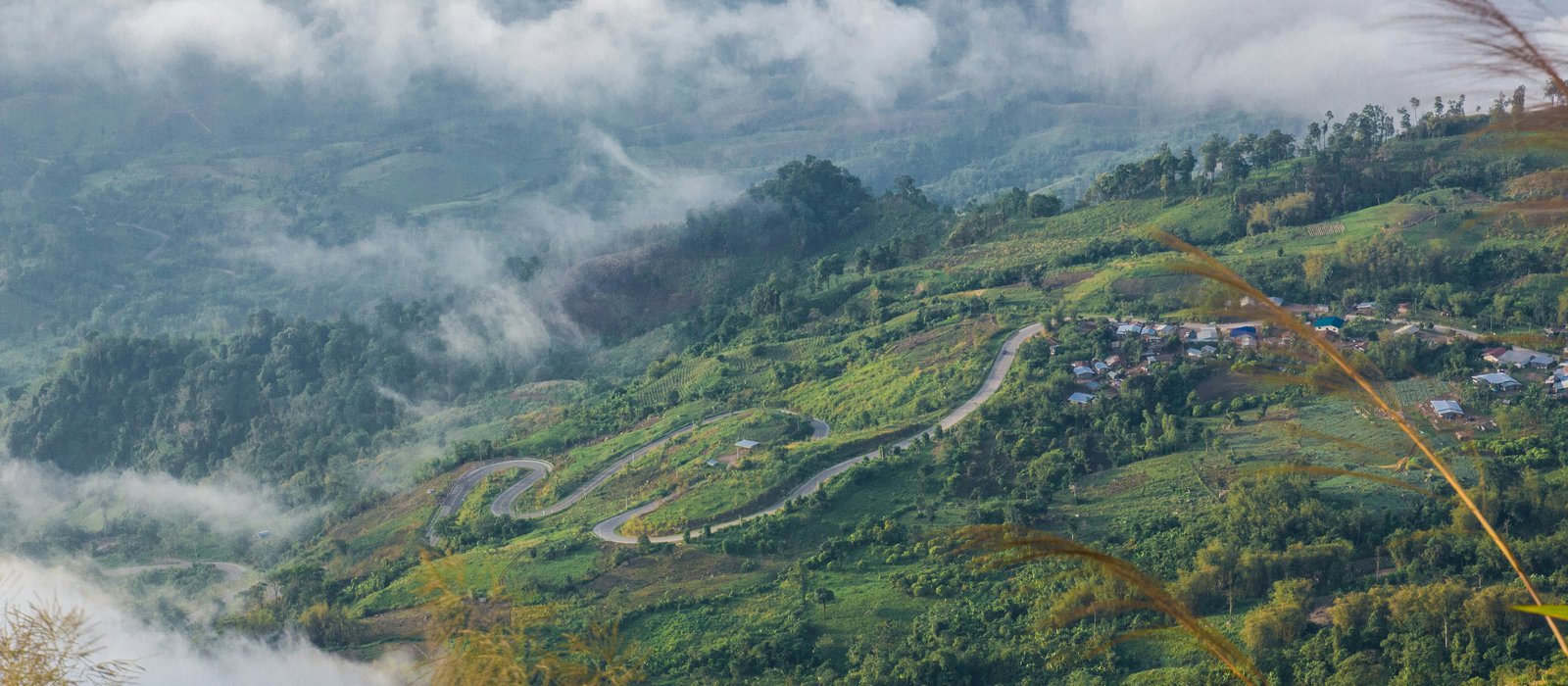
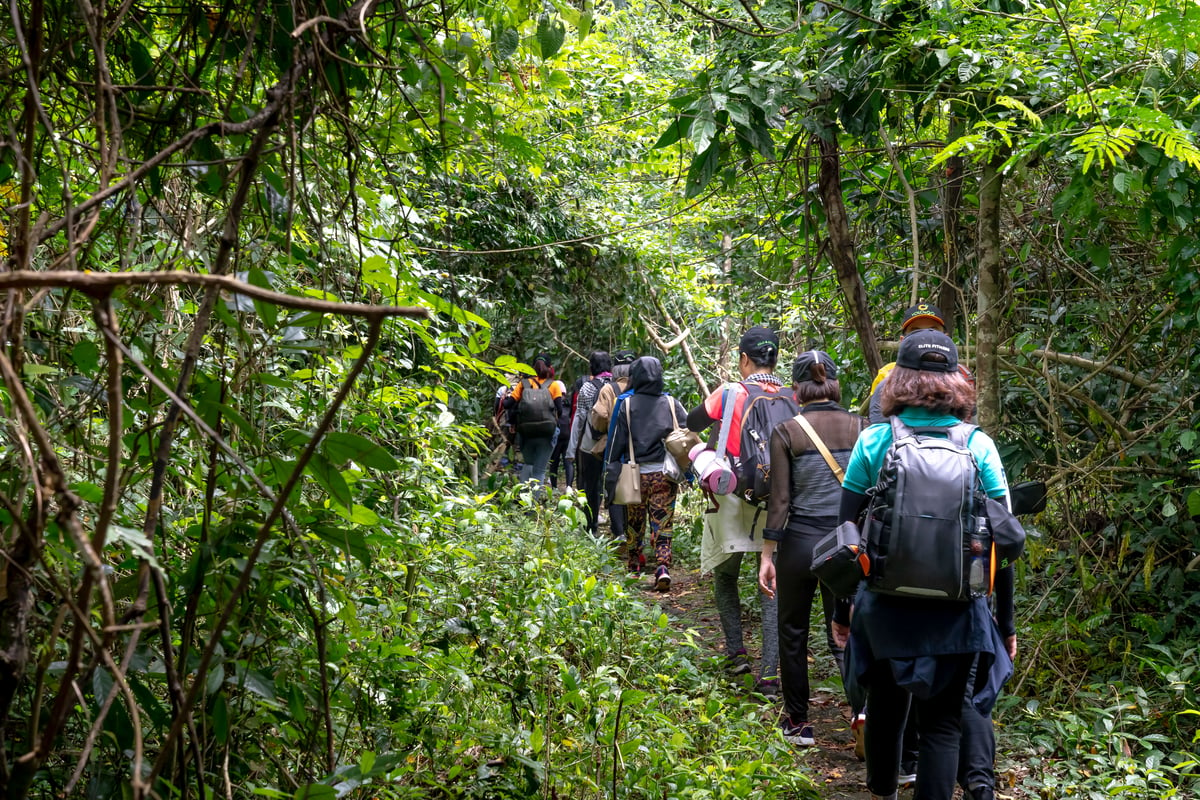
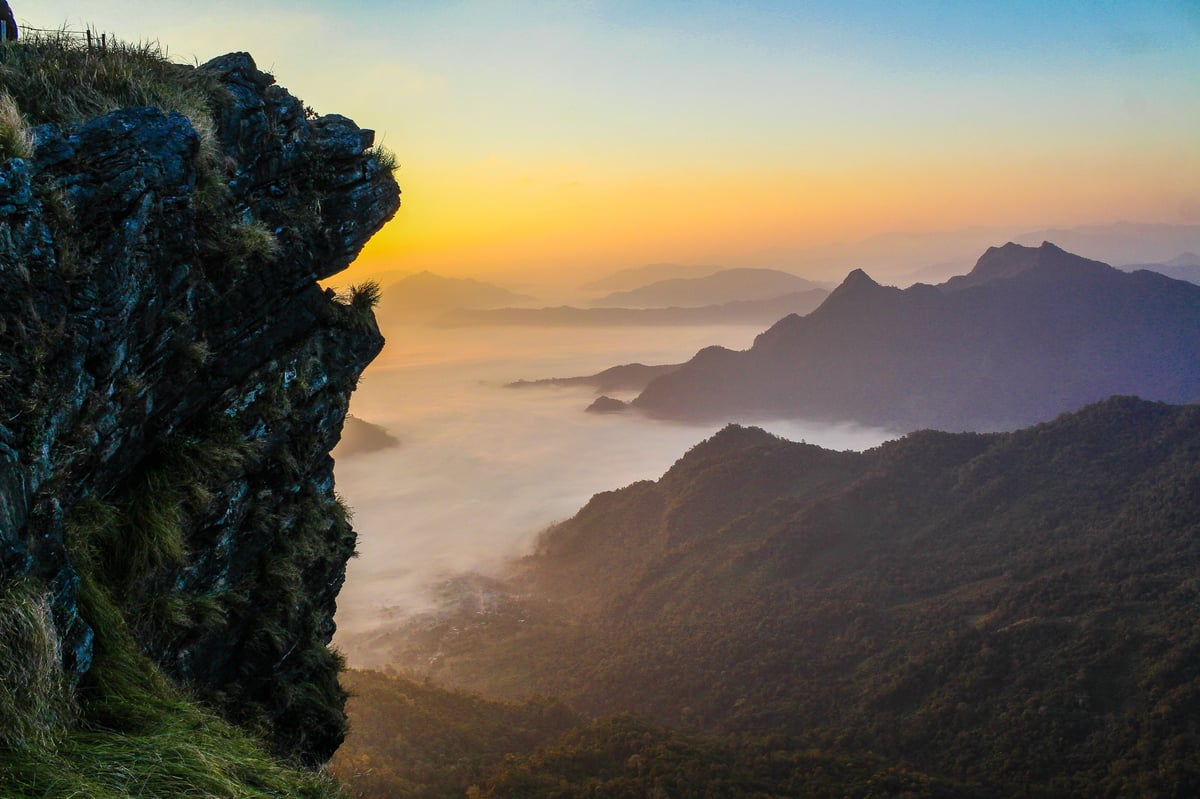
Northern Thailand treks range from easy half-day walks to multi-day expeditions, typically combining jungle trails, river crossings, waterfalls, viewpoints, and visits to hill-tribe villages. Many treks include extras like bamboo rafting, elephant sanctuary visits, and overnight stays in village guesthouses. The scenery is beautiful — forested mountains, terraced fields, and mist-filled valleys — and the cultural element adds depth. Treks are usually guided, with the guide handling navigation, logistics, and translation — which is well worth it given the remote terrain, the lack of marked trails, and the language barrier in mountain villages, where a good guide transforms the experience by bridging cultures and pointing out things you'd never notice alone.
Where to base your trek
Chiang Mai is the main hub, with countless operators offering treks of every length and difficulty into the surrounding mountains. Chiang Rai is a quieter alternative, with access to its own scenic areas and hill-tribe regions near the Golden Triangle. Other northern towns like Pai and Mae Hong Son offer treks in more remote, less-visited terrain for those wanting to get further off the trail.
The hill-tribe villages
A defining feature of northern trekking is visiting the ethnic minority hill-tribe communities — such as the Karen, Hmong, Lahu, and Akha — who live in the mountains with distinct cultures, dress, and traditions. These visits can be a meaningful cultural exchange, but they raise ethical questions: some operators reduce villages to a tourist spectacle, and the controversial "long-neck" Kayan villages in particular are criticized as exploitative human zoos. Choose operators that engage respectfully and benefit the communities, and approach visits with sensitivity rather than as a photo opportunity.
Choosing an ethical, good-quality trek
Pick your trek carefully. Look for operators with good recent reviews, small group sizes (a more genuine experience), fair treatment of guides and villages, and responsible practices around any elephant or wildlife elements (no riding). Decide how remote and challenging you want it — popular routes near Chiang Mai are more trodden, while longer or further treks reach quieter areas. Clarify what's included (meals, accommodation, transport, activities) and match the difficulty to your fitness honestly.
Multi-day treks and homestays
For a richer experience, consider a two- or three-day trek with overnight stays in hill-tribe villages or jungle camps. These let you go deeper into remote areas, slow down, and experience village life beyond a fleeting visit — sleeping in simple bamboo guesthouses, sharing meals, and waking to misty mountain mornings. Multi-day treks often weave together hiking, a village homestay, bamboo rafting, and a waterfall or two into one memorable adventure. They require a bit more fitness and a willingness to rough it (basic facilities, cold bucket showers), but many travelers find the multi-day experience far more rewarding than a day trip, precisely because it takes you somewhere a quick excursion can't reach.
What to bring and when to go
Pack good walking shoes, insect repellent (essential in the jungle), sun protection, a light layer (cool at altitude and at night), a rain layer, a small daypack, and any personal medication. The best season is the cool, dry months (November to February) — comfortable temperatures and clear views; avoid the burning season (roughly March–April) for air quality, and expect mud and leeches in the rainy season (though the jungle is at its lushest then). Treks are affordable; check a live converter rather than a fixed figure:
100 USD ≈ … THB (enable JavaScript for today's rate)
FAQ
Where can I go trekking in northern Thailand?
Chiang Mai is the main hub with treks of all lengths into the surrounding mountains. Chiang Rai, Pai, and Mae Hong Son offer quieter, more remote alternatives for getting further off the beaten path.
What does a northern Thailand trek involve?
Guided walks (half-day to multi-day) through jungle and mountains, taking in waterfalls, viewpoints, and hill-tribe villages, often with extras like bamboo rafting or village homestays. Scenery and culture are the draws.
Are hill-tribe village visits ethical?
It varies. Done respectfully, they're a meaningful cultural exchange, but some operators treat villages as a spectacle, and the "long-neck" Kayan villages are widely criticized as exploitative. Choose responsible operators and visit with sensitivity.
When is the best time to trek in northern Thailand?
The cool, dry season (November to February) — comfortable temperatures and clear views. Avoid the burning season (around March–April) for air quality; the rainy season is lush but muddy with leeches.
Keep planning
Not sure how it all fits together?
Pick your trip length and we'll route a real day-by-day plan.