Thailand is a year-round destination, but when you go shapes your experience — the weather, the crowds, the prices, and even which part of the country is at its best. The country has three broad seasons, and crucially, its two coasts have different weather patterns. Here's how to choose the best time for your trip.
The three seasons
For most of Thailand, the year breaks into three seasons:
Cool and dry (roughly November to February): the peak and generally best season — pleasant temperatures, low humidity, little rain, and sunshine. It's the most reliable weather and also the busiest and priciest time.
Hot (roughly March to May): very hot and humid, building toward the rains, with temperatures that can be genuinely punishing, especially inland. Songkran (Thai New Year) in mid-April is a highlight of this season.
Rainy/monsoon (roughly June to October): the wet season, with downpours that are often short and heavy rather than all-day. Lush landscapes, fewer crowds, and lower prices are the upside. The rain typically comes in intense bursts, often in the afternoon, leaving plenty of dry hours around them — so a rainy-season trip is far from a washout, and many seasoned travelers actively prefer it for the value and the quiet.
The best months overall
For the most reliable weather across the country, November through February is the sweet spot — cool, dry, and sunny. This is peak season, so expect higher prices and more crowds, and book ahead. December and January in particular are prime time, coinciding with the Western winter holidays, which is part of why they're so popular and so heavily booked. If you want this window, reserve flights and accommodation well in advance, as availability tightens and prices climb the closer you get. If you want great weather and can travel then, this is the safest bet nationally.
The two coasts have different seasons
This is the key nuance for a beach trip. Thailand's two coasts have opposite rainy seasons:
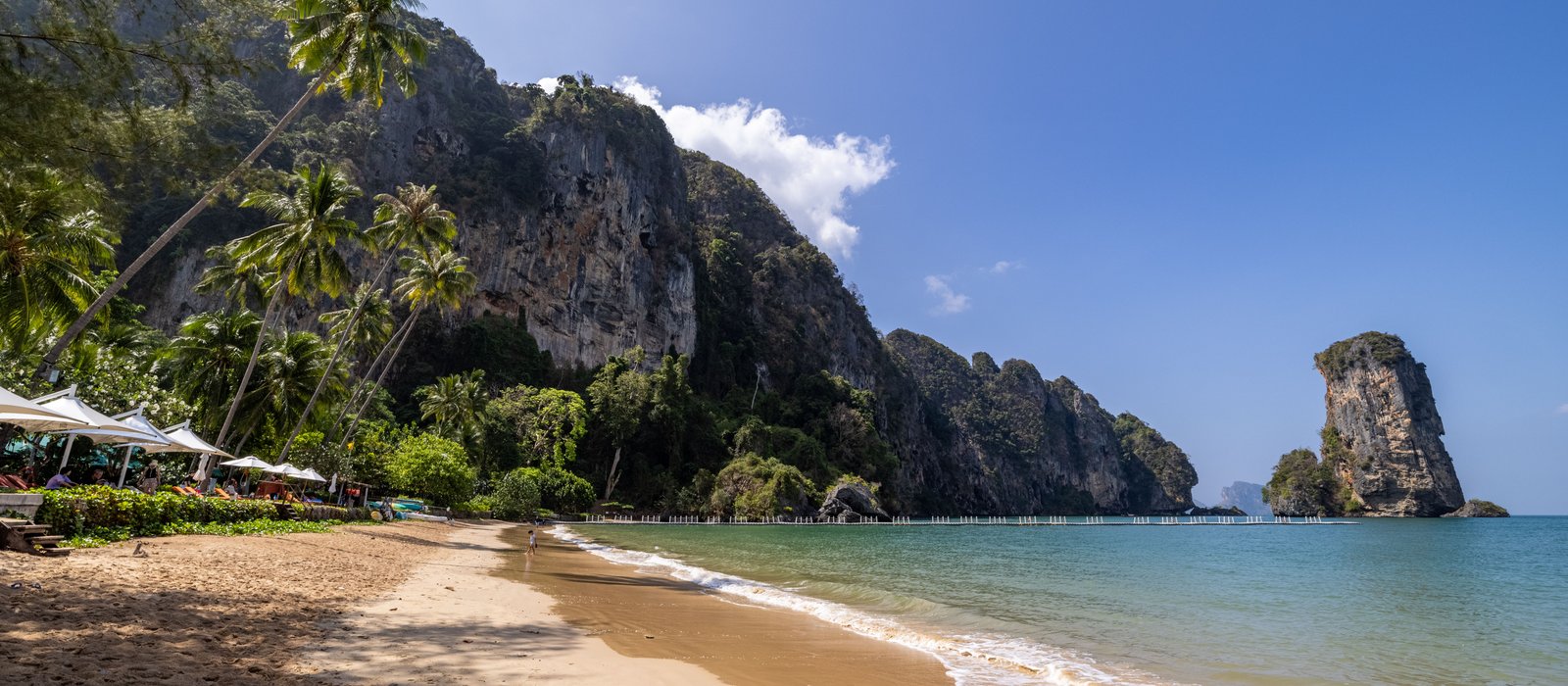
The Andaman coast (Phuket, Krabi, Phi Phi) is best roughly November to April, with peak monsoon around September–October.
The Gulf coast (Koh Samui, Koh Phangan, Koh Tao) runs differently — often best mid-year, with its wettest stretch around October to December.
So there's almost always a coast with good beach weather. If you're traveling in, say, July when the Andaman coast can be wet, head to the Gulf islands instead.
The north's timing
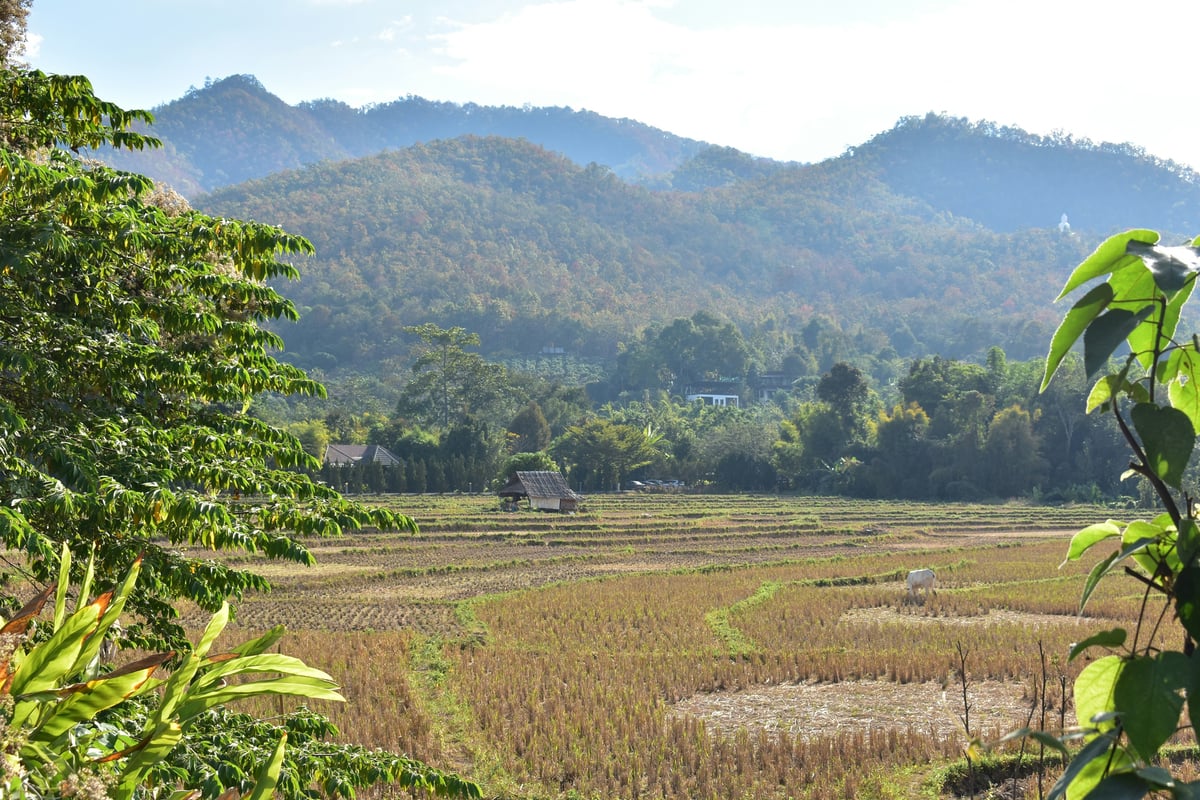
Northern Thailand (Chiang Mai) is best in the cool season (November to February), when it's pleasant and clear — and can be genuinely chilly in the evenings. Crucially, avoid the burning season (roughly February to April), when agricultural fires cause poor air quality across the north. The lantern festivals (Yi Peng, Loy Krathong) usually fall in November, a beautiful but busy time.
Timing around festivals
Thailand's festivals can be a reason to time your trip — or to plan around. Songkran (Thai New Year, mid-April) turns the whole country into a giant water fight; it's exhilarating but chaotic, and falls in the hot season. Loy Krathong and Yi Peng (usually November) fill rivers with candle-lit floats and the northern sky with lanterns — beautiful, and well-timed with the cool season, but the north books out fast. Various regional festivals dot the calendar too. If experiencing a festival is a priority, build your dates around it and reserve accommodation far in advance, since prices spike and rooms vanish around the big ones.
Balancing weather, crowds, and prices
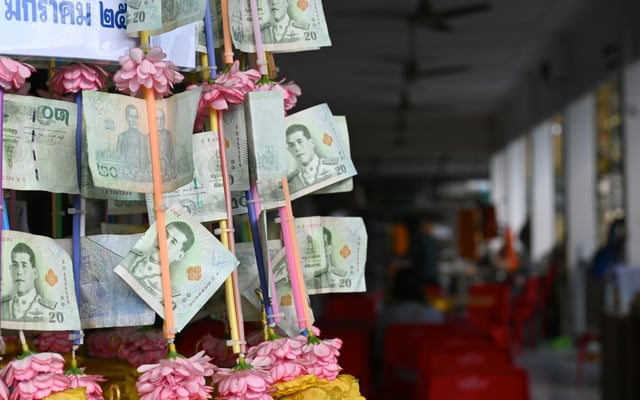
The trade-offs: peak season (Nov–Feb) gives the best weather but the highest prices and biggest crowds; shoulder months offer a good balance of decent weather and lower prices; and low/rainy season brings the cheapest prices, fewest crowds, and lush scenery, with the trade-off of rain (often manageable). For value with good weather, the shoulder periods are a savvy choice. Whenever you go, match your destinations to the season. For budgeting around seasonal prices, a live converter helps:
100 USD ≈ … THB (enable JavaScript for today's rate)
FAQ
When is the best time to visit Thailand?
November to February — the cool, dry season — offers the most reliable weather nationwide, though it's also peak season with higher prices and crowds. December and January are prime.
Do Thailand's coasts have different seasons?
Yes — the Andaman coast (Phuket, Krabi) is best November–April, while the Gulf coast (Koh Samui) is often best mid-year. There's almost always a coast with good beach weather, so match your islands to your dates.
When should I avoid visiting northern Thailand?
The burning season, roughly February to April, when agricultural fires cause poor air quality around Chiang Mai. The cool season (November–February) is the best time for the north.
Is it bad to visit Thailand in the rainy season?
Not necessarily — the rains are often short, heavy downpours rather than all-day, and you get lush scenery, fewer crowds, and lower prices. Just pick the coast that's drier for your dates.