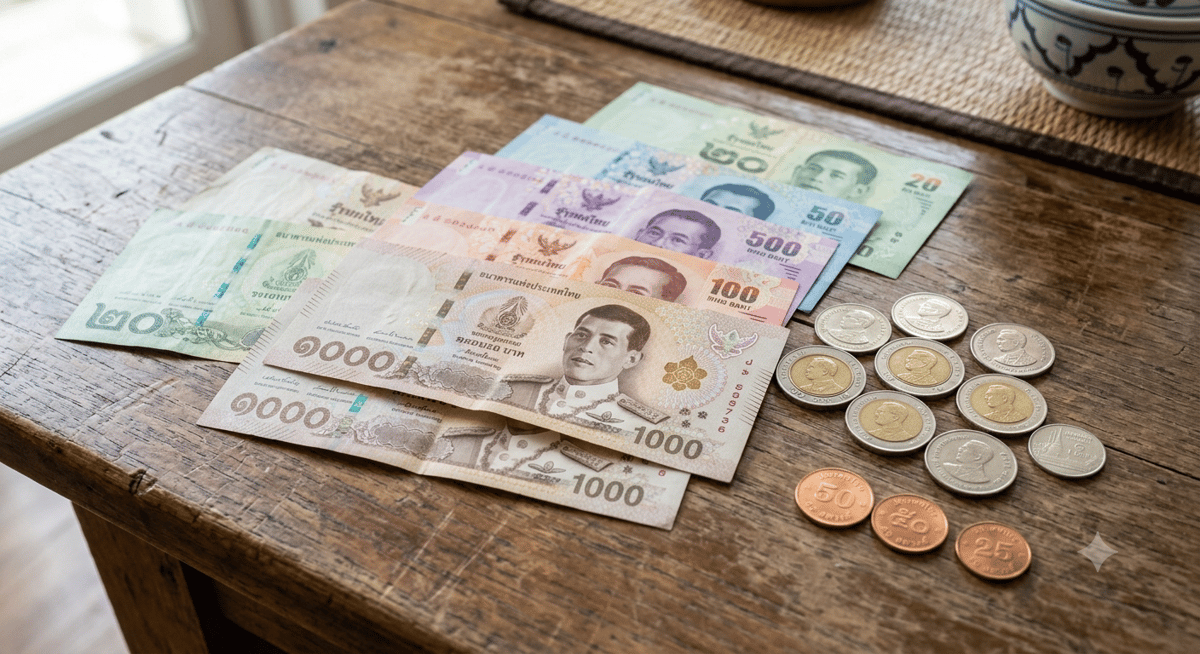
One of Thailand's biggest draws is value: it's an affordable destination where your dollars stretch a long way, especially once you're in the country. The big-ticket item is getting there; daily costs on the ground are low by U.S. standards. Here's a realistic breakdown of what a Thailand trip costs and how to budget, with the firm caveat that prices and exchange rates move constantly — so treat these as a framework, not fixed numbers.
Important: all figures below are indicative ranges that change with season, demand, and exchange rates. Always check current prices when booking, and use a live converter for up-to-date baht-to-dollar values.
100 USD ≈ … THB (enable JavaScript for today's rate)
The big cost: getting there
Your international flight from the U.S. is almost always the single largest expense and the most variable — it swings widely by season, route, how far ahead you book, and your departure city. There are no nonstop flights from the U.S., so you'll connect through Asia or the Middle East. Booking well ahead and being flexible on dates makes a real difference. Compare fares across dates and routes rather than assuming a fixed figure.
Daily costs on the ground
Once in Thailand, day-to-day spending is low and scales with your style:
Budget travelers (hostels, street food, public transport, few paid activities) can get by on a modest daily sum — Thailand is a backpacker favorite precisely because it's so cheap at this level.
Mid-range travelers (comfortable hotels, a mix of restaurant and street dining, some tours and domestic flights) spend more but still find it excellent value compared to Western destinations.
Luxury travelers (resorts, private villas, fine dining, private tours) can spend substantially — though even luxury here costs a fraction of comparable destinations like the Maldives.
Where your money goes
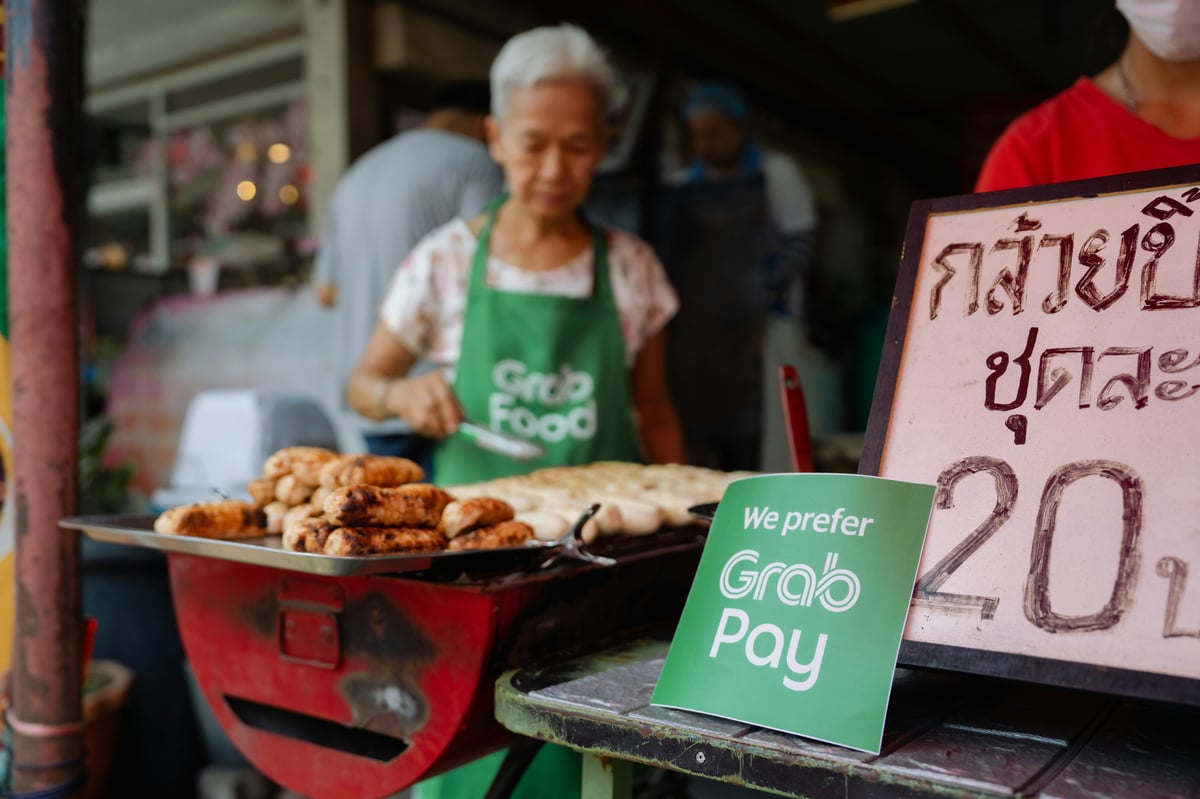
Accommodation ranges from very cheap hostels to world-class resorts, and is one of your bigger controllable costs. Food is remarkably cheap if you eat like a local — street food and local restaurants cost very little, while Western and upscale dining costs more. Transport is inexpensive: domestic flights are cheap if booked ahead, and local transport (Grab, songthaews, trains) costs little. Activities — boat trips, tours, diving, elephant sanctuaries — are where discretionary spending adds up, and worth budgeting for the experiences you care about.
How to budget your trip
A practical approach: book flights early and treat them as your biggest, most variable cost; choose an accommodation level and multiply by your nights; budget modestly for daily food and transport, since these are cheap; and add a separate pot for activities and domestic flights, which is where memorable (and costlier) experiences live. Build in a buffer, and remember the exchange rate moves — check it close to your trip.
Sample trip costs by style
To make it concrete without quoting prices that quickly go stale, think in terms of trip shapes. A backpacker trip — hostels, street food, buses and trains, a handful of paid activities — is genuinely cheap and the reason Thailand is a budget-travel icon. A comfortable mid-range trip — nice hotels, a mix of dining, domestic flights, and several tours — costs considerably more but still delivers excellent value versus a comparable trip in Europe or the U.S. A luxury trip — resorts, private villas, fine dining, and private guides — can run high, yet the same standard costs far less here than in most premium beach destinations. The point is that Thailand works at every budget; you choose the level, and the daily costs follow.
Money-saving tips
To stretch your budget further: eat street food and local restaurants (delicious and cheap), book domestic flights and accommodation ahead, travel in shoulder season for lower prices, use the BTS, trains, and Grab rather than tourist transport, withdraw larger amounts less often to minimize ATM fees, and avoid the tourist-trap restaurants right next to major sights. Thailand rewards travelers who eat and move like locals with extraordinary value.
FAQ
Is Thailand expensive to visit?
No — it's known for being affordable, with low daily costs for food, transport, and even accommodation. The main expense is the international flight from the U.S.; once there, your money stretches a long way.
What's the biggest cost of a Thailand trip?
The international flight, which is the most expensive and most variable item. There are no nonstop U.S. flights, so booking ahead and being flexible on dates and routes makes a real difference.
How can I save money in Thailand?
Eat street food and local restaurants, book flights and hotels ahead, travel in shoulder season, use trains and Grab over tourist transport, and minimize ATM fees by withdrawing larger amounts less often.
How much should I budget per day in Thailand?
It depends heavily on your style — budget, mid-range, and luxury differ a lot, and prices and exchange rates change constantly. Set your accommodation level, add modest daily food and transport, and a separate pot for activities. Check current prices when booking.