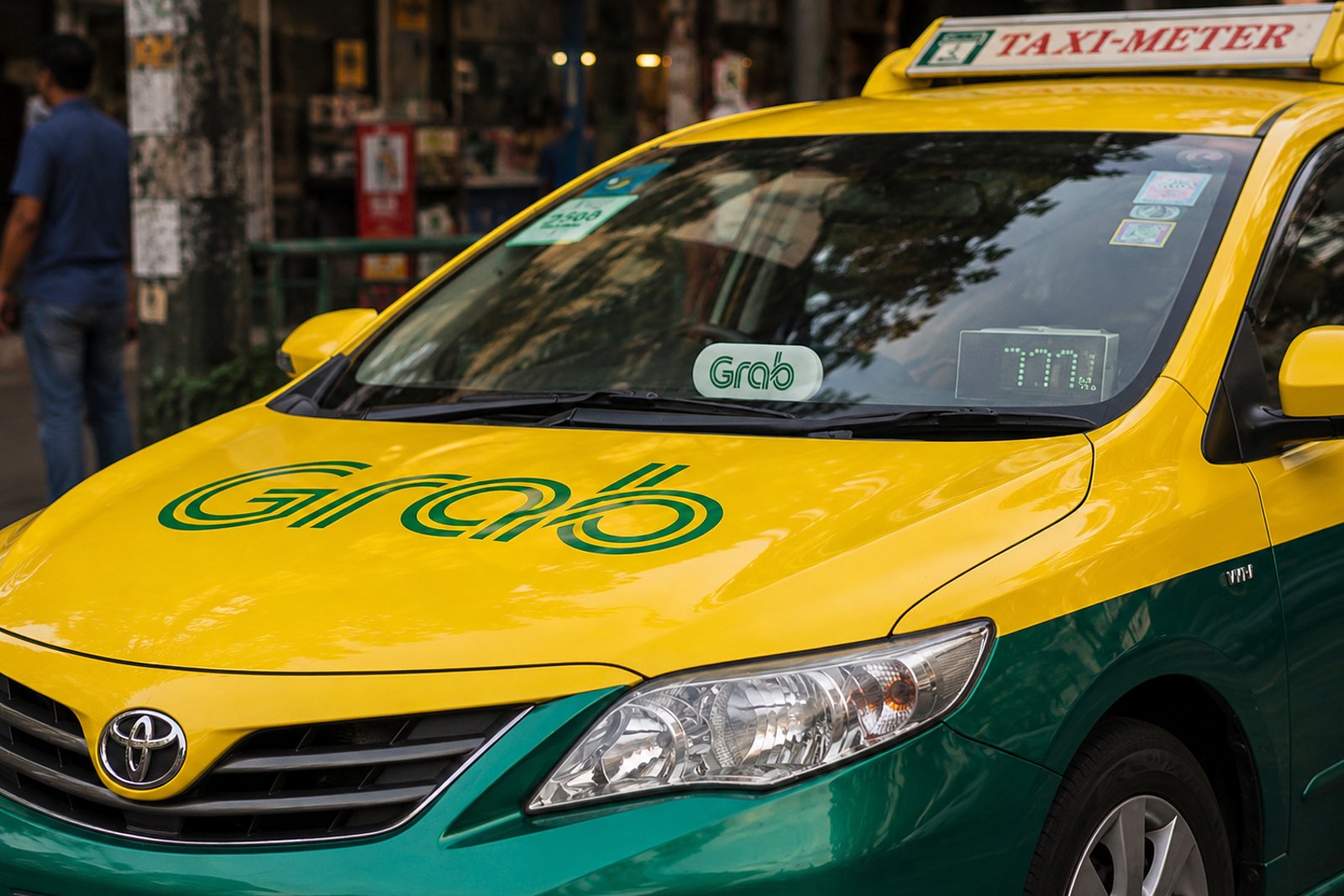
Grab is Thailand's dominant ride-hailing app — here's how it works, whether it's safe and worth it, where it does and doesn't operate well, and tips for using it.
Grab is the Uber of Southeast Asia, and in Thailand it's one of the most useful apps a traveler can have. It handles rides, food delivery, and more, all with upfront pricing and cashless payment. But it doesn't work equally well everywhere in the country, and there are a few things worth knowing before you rely on it. Here's the full picture.
What is Grab and how does it work?
Grab is a super-app: you use it to book cars, taxis, and motorbike taxis, order food, and even send packages. For getting around, you enter your destination, see the price and the driver before you book, and pay either in cash or by a card linked to the app. It works just like Uber or Lyft, which makes it instantly familiar to American travelers. Download it and set it up before your trip while you're still on home Wi-Fi. Setting up an account in advance — verifying your phone number and adding a payment method — means you can hail a ride the moment you land rather than fumbling with the app on airport WiFi after a long flight.
Is Grab safe?
Yes — Grab is generally very safe and is the option many travelers feel most comfortable with, precisely because everything is tracked and transparent. You can see the driver's name, vehicle, and rating, the route is logged in the app, the fare is fixed in advance so there's no meter scam, and you can share your trip with someone. For solo travelers and anyone wary of negotiating with taxis or tuk-tuks, Grab removes most of the friction and uncertainty.
Three habits make it safer still:
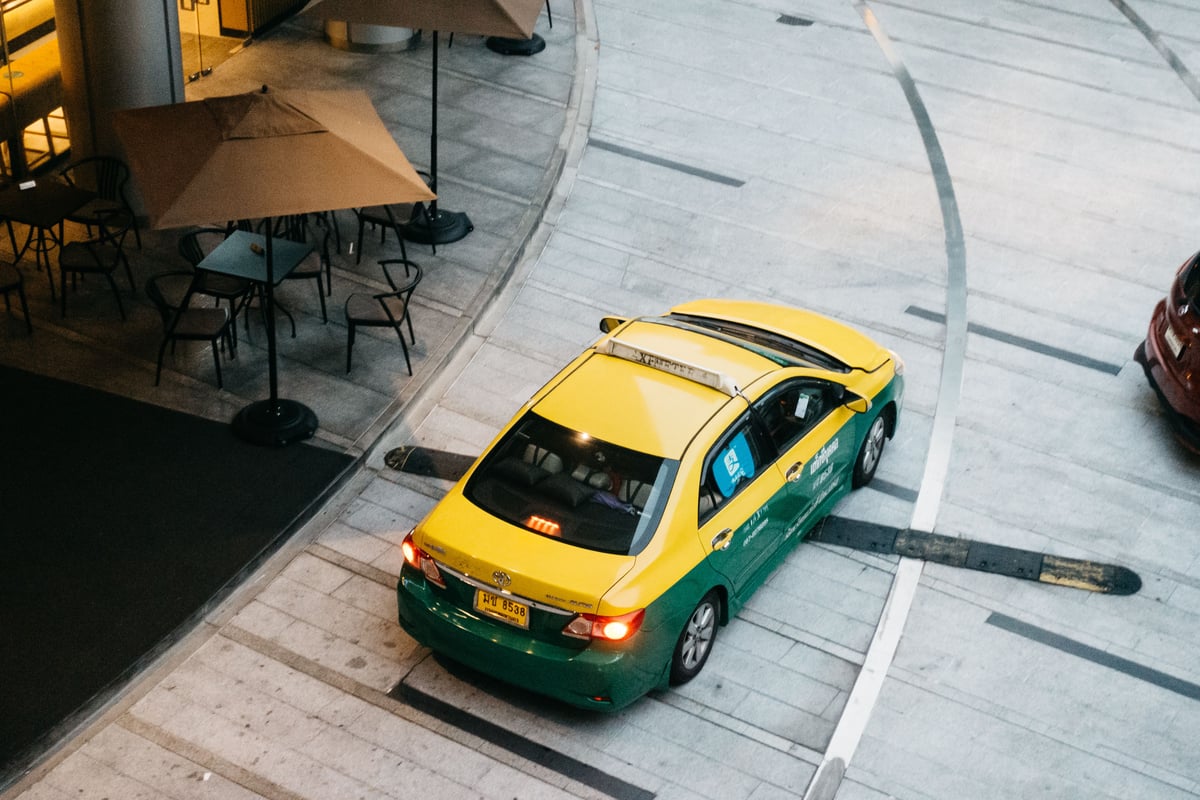
Match the plate before you get in. Check that the license plate, car model and driver photo match the app; if anything differs, cancel and rebook.
Share the trip with someone from the app at night or on long rides; they can follow the car live.
Think twice about the motorbike option. The real risk in Thailand is the road, not the driver: motorbike taxis are quick but exposed, so wear the helmet the rider hands you, and check that your travel insurance covers you as a motorbike passenger before using it often.
Is it worth it?
For convenience and peace of mind, absolutely. The upfront pricing alone is worth it — you avoid the haggling and the inflated "tourist" fares that come with flagging down tuk-tuks or non-metered taxis. It's especially valuable when you're tired, loaded with luggage, going somewhere off the train lines, or out late. In Bangkok, a metered taxi can occasionally be cheaper, but the certainty and ease of Grab usually win.
Where Grab works well — and where it doesn't
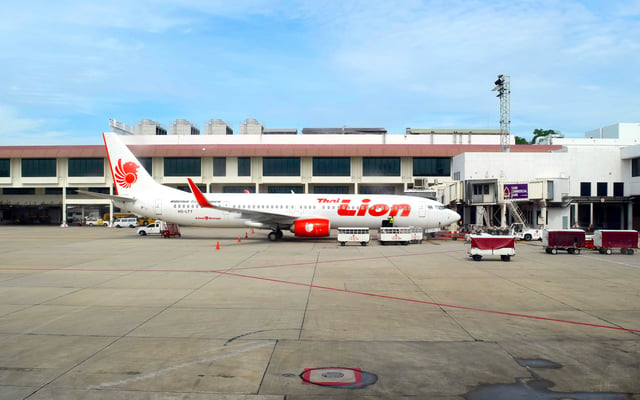
Grab works excellently in Bangkok, Chiang Mai, and most cities. On the islands it is less even. Phuket, long the notorious example of local taxis resisting ride-hailing, now has Grab as its most dependable app, with an official pickup zone inside the airport, though fares there run well above Bangkok's. Parts of Krabi and Samui can still be patchy, and quieter beaches may have few drivers. In these places you may wait longer, pay more, or need to use local taxis and songthaews instead. Don't assume Grab will be instantly available everywhere the way it is in Bangkok.
Grab or Bolt?
Bolt is Grab's main rival in Thailand and is legal in Bangkok, Phuket and the other big tourist areas. It is usually noticeably cheaper, often by a fifth or more for the same ride, but has fewer drivers, so waits can be longer outside the busiest districts, and at Phuket airport Bolt drivers can't pick up inside the terminal. The simple rule: install both, compare the price for your ride, and take Grab when you need a car now, at the airport, late at night or with luggage.
Grab for food and more
Grab isn't just for rides — GrabFood is a hugely popular food-delivery service that's perfect for a night in, a meal when you're jet-lagged, or simply trying local restaurants without going out. It works just like the ride service: browse nearby restaurants, order, track the delivery, and pay in the app. For travelers staying in an apartment or recovering from a long flight, it's a genuinely useful way to eat well cheaply. The app also handles package delivery and other services, though rides and food are what most visitors use.
Tips for using Grab in Thailand
Set it up before you travel and add a payment card if you'd rather not use cash. Choose your pickup point carefully — a clear landmark or hotel entrance avoids confusion, since not all drivers speak English. Use the in-app chat's translation if needed. Have cash as backup for cash trips and for places where Grab is thin. And check the car type — GrabCar for comfort, GrabTaxi to hail a metered taxi through the app, or a motorbike option for quick solo hops through traffic. Fares are low overall; check a live converter rather than a fixed figure:
100 USD ≈ … THB (enable JavaScript for today's rate)
FAQ
Is Grab safe to use in Thailand?
Yes — it's one of the safest ways to get around. The driver, vehicle, route, and fixed fare are all shown in the app, with no meter scams or haggling, which many travelers find reassuring.
Is Grab cheaper than taxis in Thailand?
Often comparable, and the upfront fixed price means no inflated tourist fares. In Bangkok a metered taxi can occasionally be cheaper, but Grab's certainty and ease usually make it worth it.
Does Grab work everywhere in Thailand?
It works great in Bangkok, Chiang Mai, most cities and Phuket (including an official airport pickup zone), but can be patchy on smaller islands and quiet beaches. Have local taxis or songthaews as backup there.
Is Grab or Bolt better in Thailand?
Bolt is usually cheaper; Grab has more drivers and is more reliable, especially at airports and late at night. Install both and compare the price for each ride.
Is Grab safe for solo female travelers?
It is one of the safer options, because the driver, car and route are recorded. Check the plate before getting in, share your trip with someone, and prefer a car over a motorbike at night.
Do I need cash if I use Grab?
You can link a card and pay cashless, but carry cash as backup — for cash-fare trips and for islands or areas where Grab availability is thin and you'll need local transport.