Thailand is a large country with excellent, affordable transport, and getting between regions is easier than first-timers expect. The main question on any journey is whether to prioritize speed (fly), scenery and romance (train), or budget (bus). Here's a complete overview of your options and when to use each.
Domestic flights — fastest for long distances
For covering Thailand's big distances — Bangkok to Chiang Mai, or Bangkok to the southern islands — flying is usually the smart choice. A competitive market (Thai AirAsia, Nok Air, Thai Lion Air, Bangkok Airways, Thai Airways, Thai Vietjet) keeps fares low, and flights take 1–1.5 hours versus 10+ hours overland. On a trip of two weeks or less, the time saved is almost always worth it. Just watch which Bangkok airport (Suvarnabhumi or Don Mueang) your flight uses.
Trains — scenic and characterful
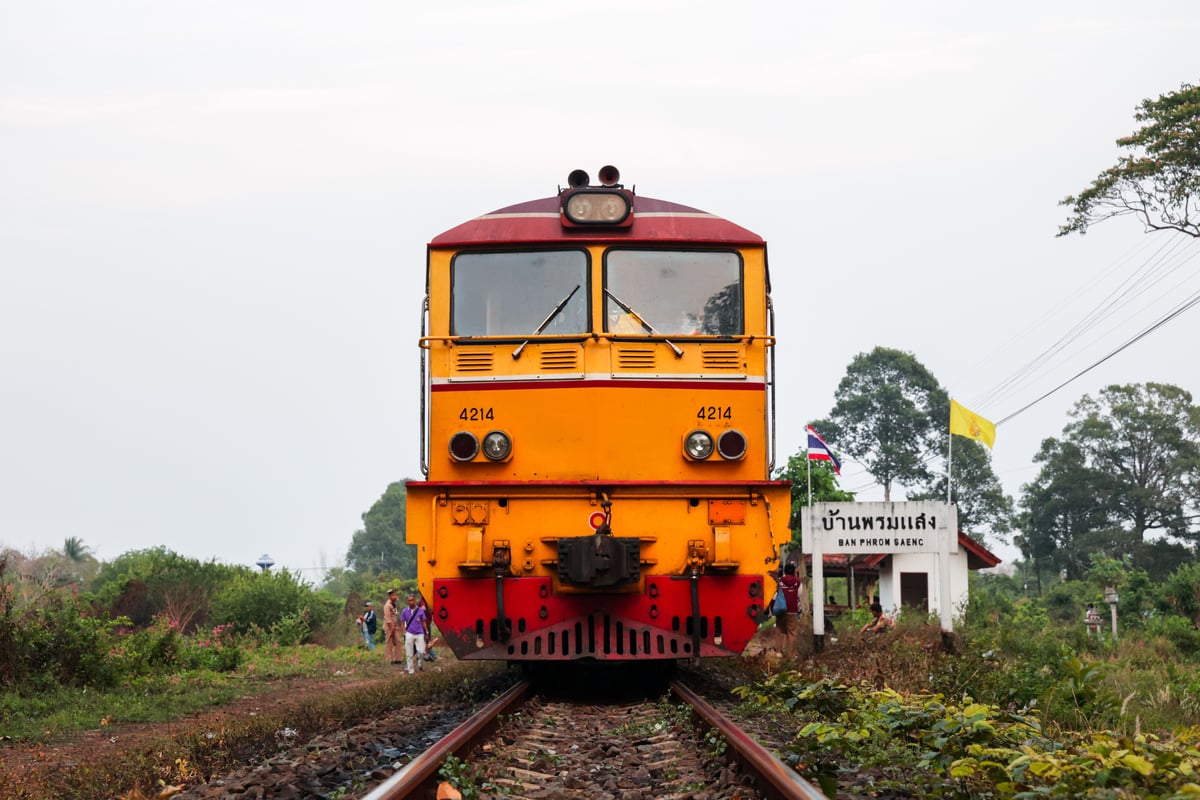
Thailand's State Railway network is slower than flying but full of character. The standout is the overnight sleeper train from Bangkok to Chiang Mai — an atmospheric, comfortable way to travel north that saves a hotel night. Trains also run south toward Surat Thani (for the Gulf islands) and to the northeast. They're affordable and a genuine experience, ideal when the journey is part of the trip rather than just a transfer. Book sleeper berths ahead, especially in peak season.
Buses and minivans — cheapest and most extensive
Thailand's intercity bus network is vast, cheap, and reaches places trains and planes don't. VIP and first-class coaches are surprisingly comfortable for long hauls, including overnight routes, while minivans connect smaller towns and fill the gaps. Buses are the budget backbone of Thai travel; the trade-off is time and, on some routes, comfort. Use reputable operators and the government BKS terminals where possible.
Ferries — for the islands
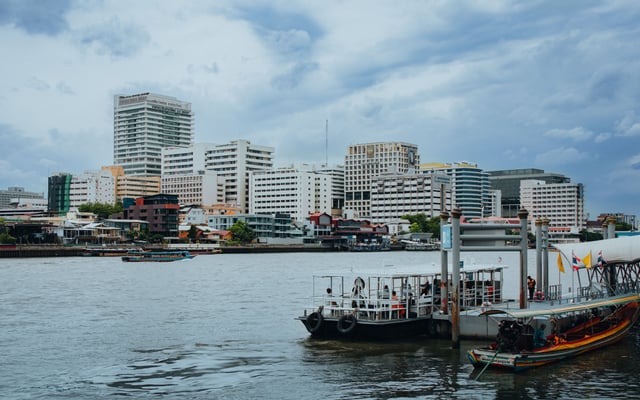
Reaching the islands means a boat — ferries, speedboats, or longtails from mainland piers, often via combined bus-and-ferry or flight-and-ferry tickets. The Andaman coast (Phuket, Krabi) and the Gulf (Samui, Phangan, Tao) have separate ferry hubs, and crossings depend on the season's weather. Combined tickets make island connections simple. The key planning point is that the two coasts are reached differently and have opposite weather, so build your island legs around the season — the Andaman side in roughly November to April, the Gulf side around mid-year — to get the calmest, most reliable crossings.
Getting around locally
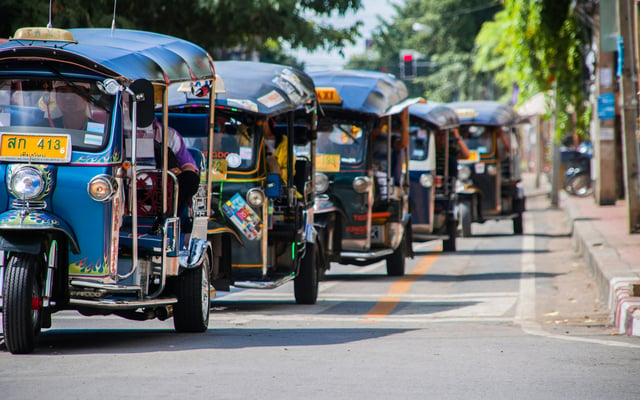
Within cities and towns, your options are Grab (the dominant ride-hailing app, great in cities, patchier on some islands), songthaews (shared pickup trucks on fixed or negotiated routes), tuk-tuks (fun but negotiate hard), metered taxis (insist on the meter), and Bangkok's excellent BTS Skytrain and MRT metro. On islands, many travelers rent scooters, though that carries real safety and insurance risks without a proper license.
What about renting a car or scooter?
Self-driving is less common among visitors to Thailand than in many countries, and for good reason. Thais drive on the left, city traffic is heavy and assertive, and you'll need an International Driving Permit alongside your home license. Many travelers find Grab, taxis, and intercity transport simpler and cheaper than renting a car, and skip the stress. Scooters are hugely popular on the islands for their freedom and low cost, but they're also the leading cause of tourist injury — roads can be rough, and your travel insurance may not cover a crash without a proper motorcycle license. Weigh that carefully before renting one.
How to choose for each journey
The simple framework: fly for long distances when time matters; take the overnight train when you want the experience and want to save a hotel night; take a bus or minivan when you're on a tight budget or going somewhere flights and trains don't reach; and use ferries for the islands. For a typical first trip with limited time, flying between regions and using Grab and trains locally covers almost everything. Fares are low across the board; check a live converter rather than a fixed figure:
100 USD ≈ … THB (enable JavaScript for today's rate)
FAQ
What's the best way to travel around Thailand?
Fly for long distances (cheap and fast), take the overnight train for scenery and to save a hotel night, use buses or minivans for budget travel and out-of-the-way places, and ferries for the islands.
Is it better to fly or take the train in Thailand?
Fly if time is limited — flights are 1–1.5 hours versus 10+ overland. Take the train, especially the Bangkok–Chiang Mai overnight sleeper, when the journey itself is part of the experience.
Are buses in Thailand safe and comfortable?
VIP and first-class coaches are comfortable, and buses are cheap and reach everywhere. Use reputable operators and government BKS terminals. They're the budget backbone of Thai travel.
How do I get around within Thai cities?
Grab ride-hailing, songthaews (shared trucks), metered taxis, tuk-tuks, and — in Bangkok — the excellent BTS Skytrain and MRT metro. Grab is great in cities but patchier on some islands.