Almost every Thai island trip involves a boat at some point, and understanding how the ferry system works makes island travel far smoother. From big car ferries to fast speedboats and combined bus-and-boat tickets, here's how to get out to Thailand's islands and what to expect on the way.
The two coasts and their islands
Thailand's islands split between two coasts, each with its own ferry hubs. On the Andaman coast (west), boats leave from Phuket and Krabi-area piers for Phi Phi, the Hong Islands, Koh Lanta, and beyond. On the Gulf coast (east), the main gateway is around Surat Thani and the Donsak pier, serving Koh Samui, Koh Phangan, and Koh Tao. Remember the coasts have opposite seasons, so the smoothest crossings depend on traveling each coast in its drier months. Crossing from one coast's islands to the other's mid-trip means returning to the mainland and a long overland transfer, so it's almost always better to pick one coast and explore its islands rather than trying to combine both.
Types of boats
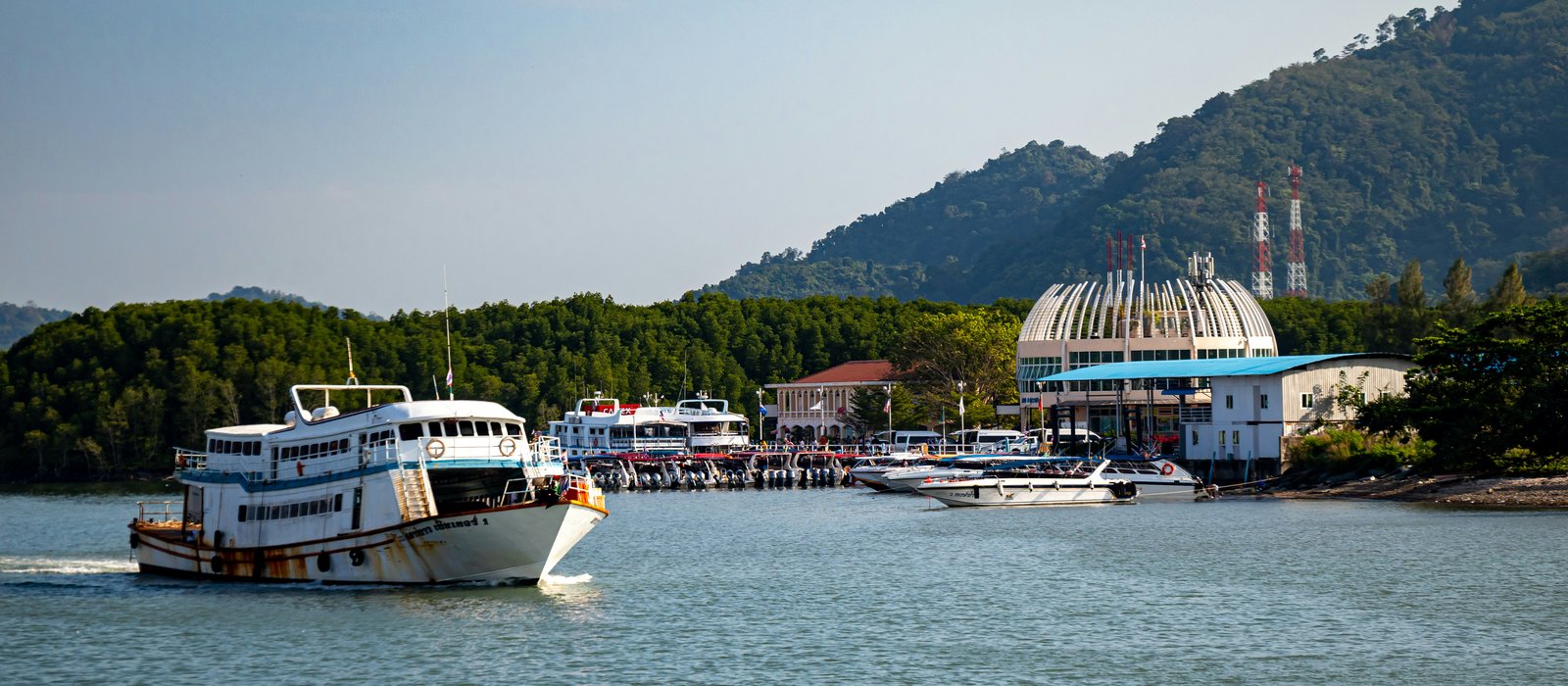
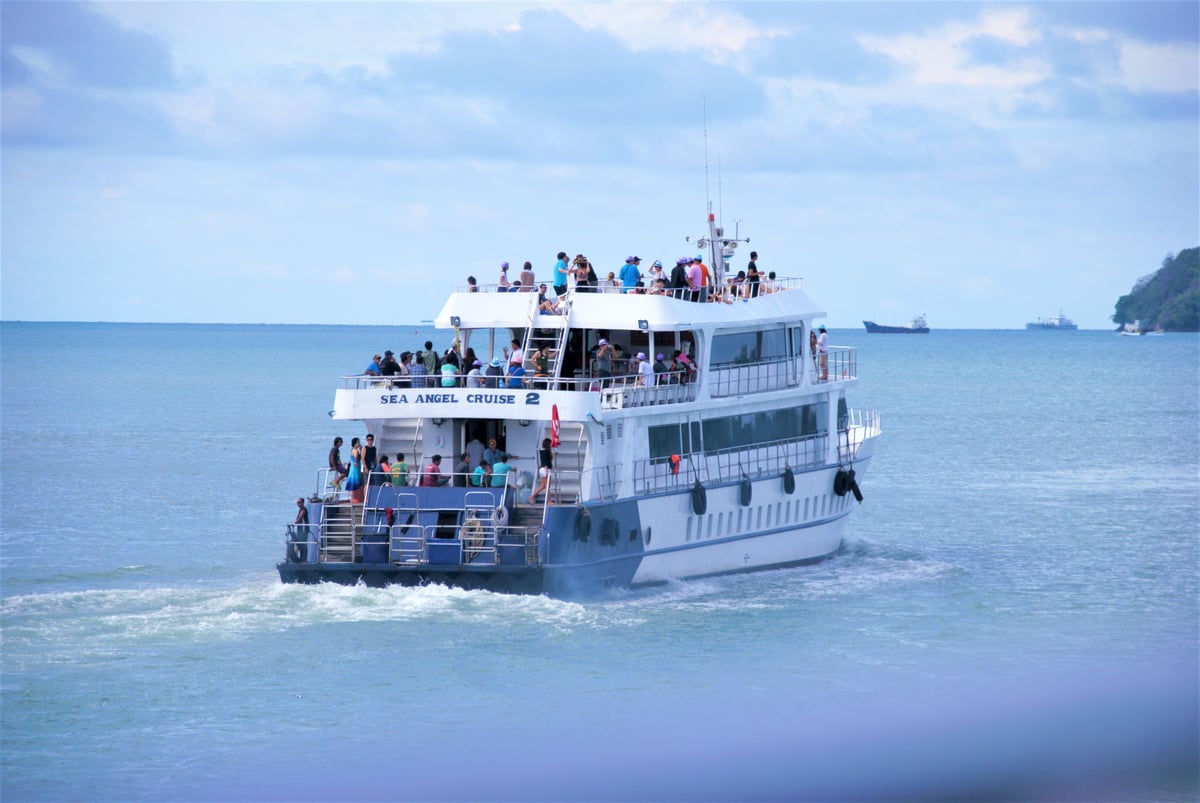
Large ferries are the workhorses — slower but stable and affordable, carrying passengers (and sometimes vehicles) on the main routes like Surat Thani to Koh Samui. Speedboats are faster and pricier, ideal for shorter hops and day trips, though bumpier in rough seas. Longtail boats handle short local transfers, like Ao Nang to Railay. Catamarans run some popular routes, balancing speed and comfort. Which you take depends on the route and how much you value speed over cost. On many popular routes you'll have a choice between a cheaper, slower ferry and a faster, pricier speedboat covering the same crossing — worth weighing against the sea conditions, since speedboats are far less comfortable than big ferries when the water is choppy.
Combined tickets make it easy
The most convenient way to reach many islands is a combined ticket that bundles the whole journey — typically a flight-plus-ferry or bus/van-plus-ferry — on one booking. For example, you can buy a single ticket from Bangkok to Koh Samui that covers the flight to Surat Thani, the transfer to the pier, and the ferry across. These take the guesswork out of connections and are widely sold by ferry operators and travel agents. For first-timers especially, they're worth the small premium.
How to book
You can book ferries in advance online through ferry operators or booking platforms, or buy tickets locally at piers and travel agents once you're there. In peak season (and for popular routes), booking ahead secures your spot and saves queuing. For day trips to islands like Phi Phi, booking a tour the day before is standard. Off-season and for flexible travelers, buying at the pier usually works fine.
How long do crossings take?
Crossing times vary widely by route and boat. Short hops like Ao Nang to Railay take 10–15 minutes by longtail; Phuket or Krabi to Phi Phi runs roughly 1.5–2 hours by ferry (less by speedboat); and Surat Thani area to Koh Samui is around 1.5–2 hours on the big ferries. Day trips out to island clusters can involve an hour or more each way. None are marathon journeys, but factor them into your arrival and departure days — and remember that a "quick" island can still mean a half-day of travel once you add transfers to and from the piers at each end.
Tips for a smooth crossing
Travel light and keep valuables accessible — you'll load bags on and off boats, sometimes wading a little. Take motion-sickness tablets before you board if you're prone to it, as crossings can be choppy. Choose daytime crossings so you don't lose beach time and can see the scenery. Build in buffer time around weather, especially in the wetter months when rough seas can delay or cancel boats. And protect electronics from spray with a dry bag on speedboats and longtails. Ferry costs vary by route and boat type; check a live converter rather than a fixed figure:
100 USD ≈ … THB (enable JavaScript for today's rate)
FAQ
How do I get to the Thai islands?
By ferry, speedboat, or longtail boat from mainland piers — often via combined flight-plus-ferry or bus-plus-ferry tickets that cover the whole journey on one booking. The Andaman and Gulf coasts have separate ferry hubs.
Should I book ferries in advance?
In peak season and for popular routes, yes — it secures your spot and saves queuing. Off-season or for flexible travel, buying at the pier or through a local agent usually works fine.
Are combined bus-and-ferry tickets worth it?
For most travelers, yes — they bundle the whole journey (flight or bus plus transfer plus ferry) onto one booking, removing the hassle of arranging connections yourself. Worth the small premium.
Can ferries be cancelled by weather?
Yes, especially in the wetter months when seas get rough. Build buffer time into your plans around island crossings, and don't schedule a tight onward connection right after a ferry in bad-weather season.
Thailand’s islands at a glance
Andaman Sea (west) vs Gulf of Thailand (east) — the seasons flip between them.