Bangkok's traffic is legendary, and the single biggest factor in enjoying the city is knowing how to move around it. The good news: Bangkok has excellent elevated and underground trains, river boats, and ride-hailing that let you skip the gridlock entirely. Here's how each option works and when to use it.
The BTS Skytrain and MRT metro — your main tools
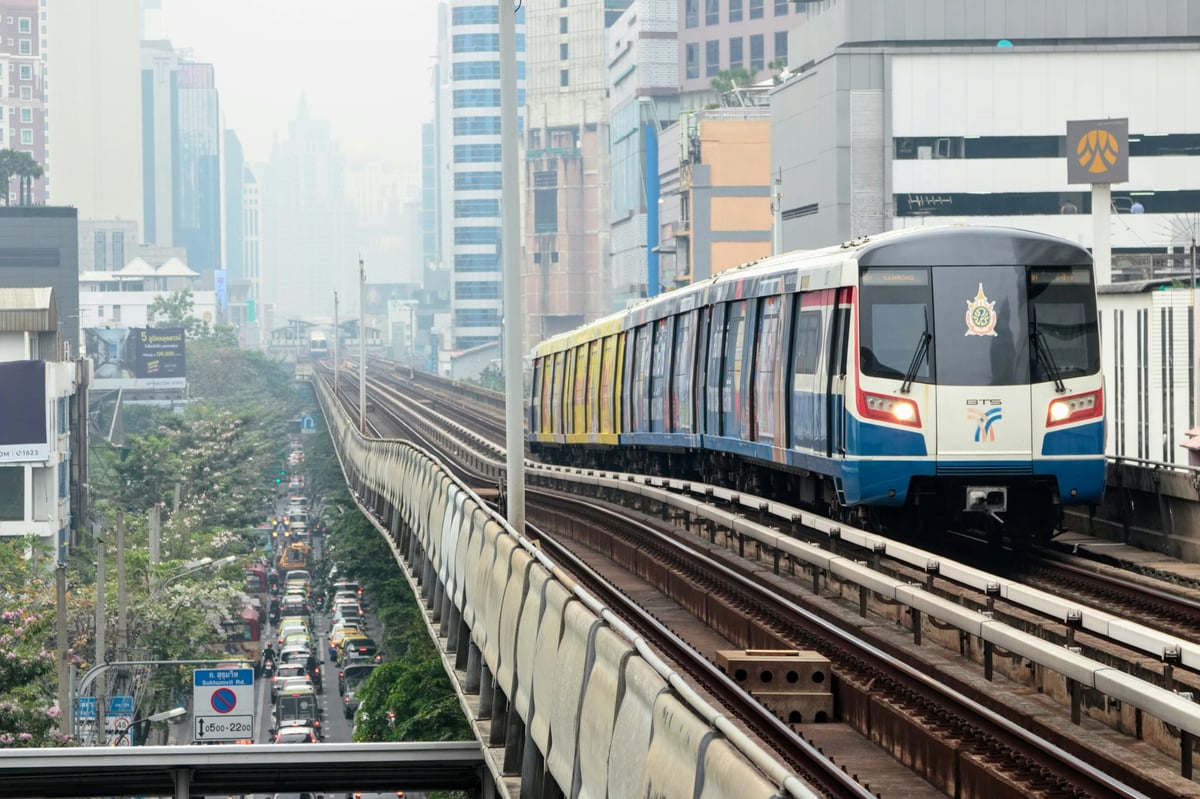
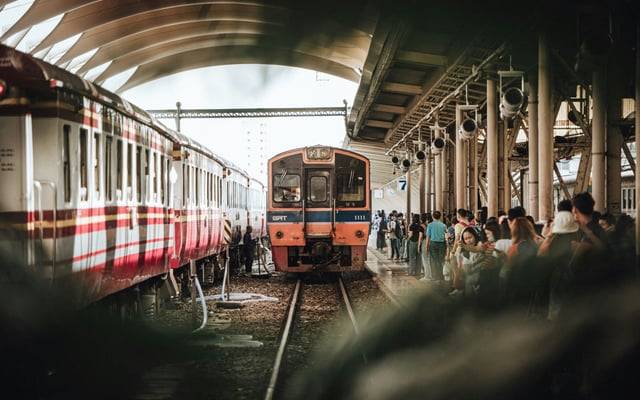
The BTS Skytrain (elevated) and MRT (underground) are the backbone of getting around modern Bangkok: clean, fast, cheap, air-conditioned, and — crucially — they fly over or under the traffic. Between them they cover most areas a visitor needs: Sukhumvit, Silom, the river, Chatuchak, and major malls. Buy a stored-value card or single-journey tickets at the stations. Staying near a BTS or MRT station is the best transport decision you can make in Bangkok.
River boats — scenic and traffic-free
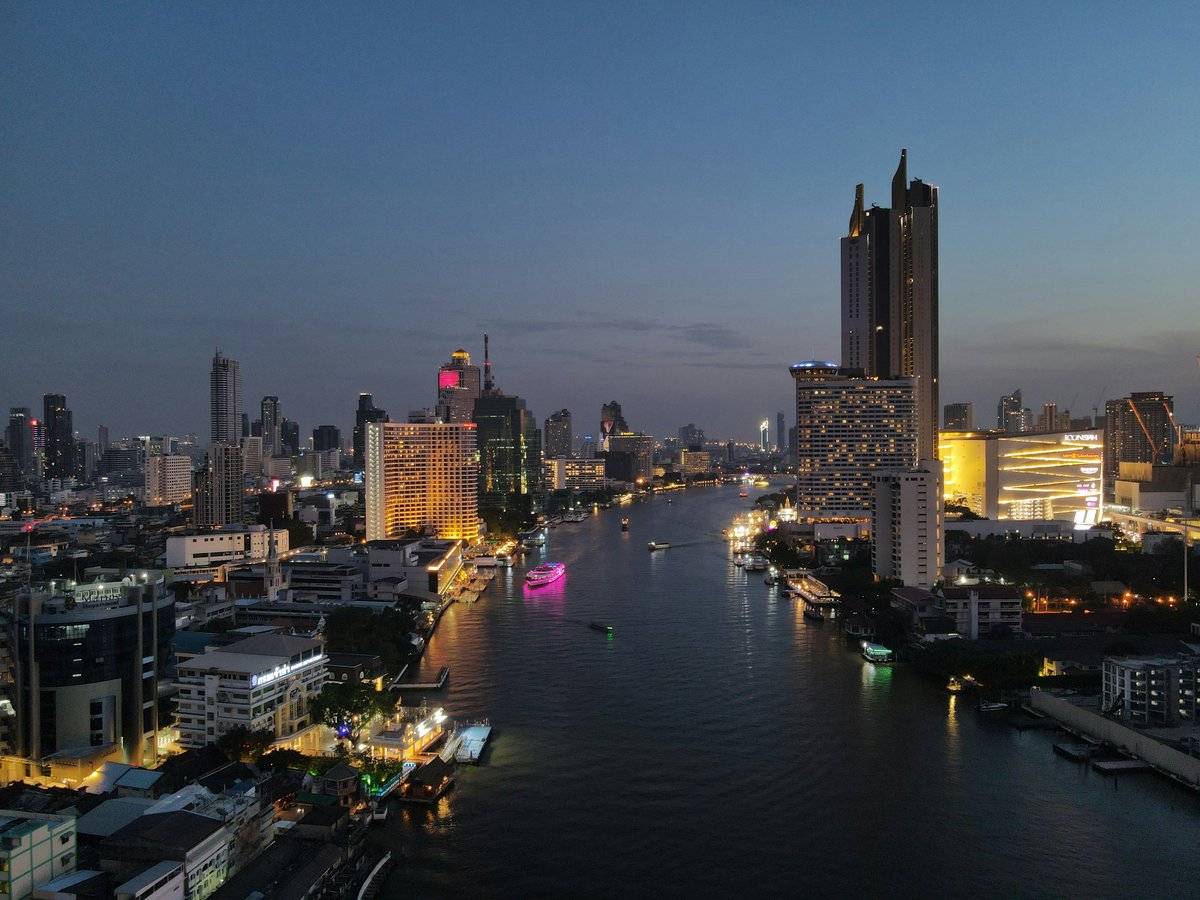
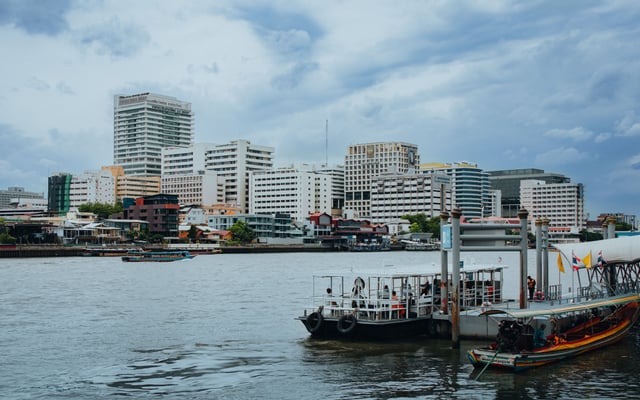
The Chao Phraya Express Boat and cross-river ferries are the smart way to reach the historic temple area (the Grand Palace, Wat Pho, Wat Arun), which the trains don't directly serve. They're cheap, frequent, and a lovely way to see the city from the water. A tourist boat with a day pass stops at the main riverside sights. Connect from the BTS at Saphan Taksin pier. The orange-flag commuter boats are the cheapest and most frequent, while the blue-flag tourist boat is pricier but stops conveniently at the main riverside sights with English commentary — a good first-day option for getting your bearings on the river.
Grab — the easy door-to-door option
Grab (Southeast Asia's Uber) is the most stress-free way to get door-to-door, especially for places off the train lines or when you're tired or loaded with shopping. You see the price upfront, pay through the app, and avoid any haggling or meter disputes. It's widely used and reliable. Bolt and inDrive are alternatives. For most visitors, Grab plus the trains covers everything.
Taxis and tuk-tuks
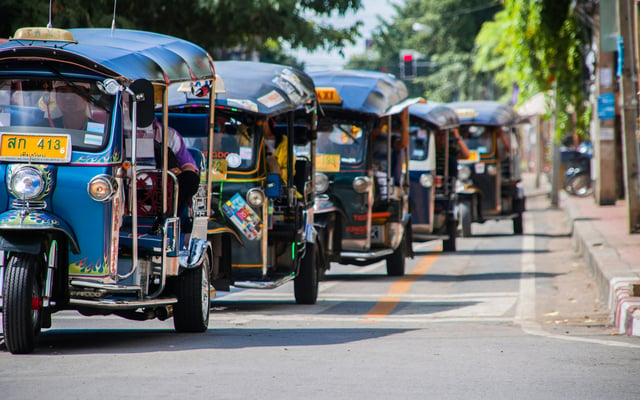
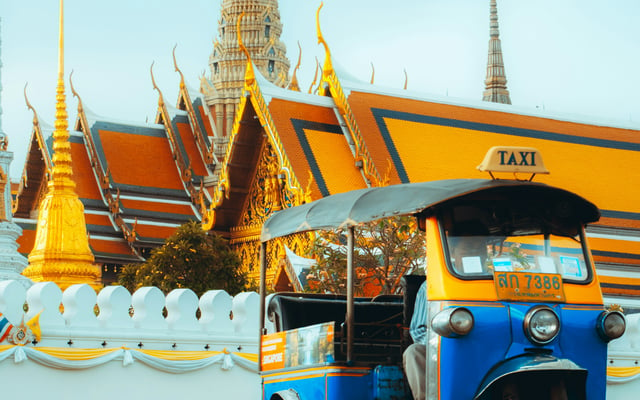
Metered taxis are plentiful and cheap if the driver uses the meter — insist on "meter" and avoid any who quote a flat fare. Tuk-tuks (the three-wheeled open-air icons) are fun for a short ride and a photo, but they're not cheaper than a metered taxi or Grab, you have to negotiate hard, and some drivers run gem-shop scam detours. Treat tuk-tuks as an occasional novelty rather than your main transport.
Buses, boats, and motorbike taxis
Bangkok's public buses are very cheap but slow, hot, and hard to navigate without local knowledge — most visitors skip them. Canal boats (on Khlong Saen Saep) are a fast, local way to cut across the city center, if a bit chaotic. Motorbike taxis (riders in colored vests) zip through traffic for short hops and are great for beating a jam, if you're comfortable on the back of a bike for a few minutes.
Getting to and from the airports
Both Bangkok airports are well outside the center. From Suvarnabhumi (BKK), the Airport Rail Link connects to the city and the BTS — the cheapest route if your hotel is near a station — while a metered taxi or Grab is simplest door-to-door, though you'll hit traffic. From Don Mueang (DMK), the budget-airline airport, taxis, Grab, and airport buses are the main options. If you land late and tired, a pre-booked car or a Grab is well worth the few extra dollars to skip the taxi queue and any fare haggling.
How to beat the traffic
The strategy is simple: plan your day around the trains and river boats, use Grab to bridge the gaps, and avoid being in a car on the roads during rush hours (roughly 7–9am and 4–7pm), when Bangkok gridlocks. If you must cross town by road at peak time, allow far more time than the distance suggests. Stay near a Skytrain station and you'll rarely need a car at all. Fares are low across the board; check a live converter rather than a fixed figure:
100 USD ≈ … THB (enable JavaScript for today's rate)
FAQ
What's the best way to get around Bangkok?
The BTS Skytrain and MRT metro for most trips (they skip the traffic), river boats for the temple area, and Grab for door-to-door rides. Stay near a station to make it effortless.
Is Grab better than taxis in Bangkok?
For most visitors, yes — Grab shows the price upfront, you pay in the app, and there's no haggling or meter disputes. Metered taxis are fine and cheap if the driver uses the meter.
Should I take tuk-tuks in Bangkok?
For the experience, once — but they're not cheaper than a metered taxi or Grab, require hard negotiation, and some run gem-shop scam detours. Use them as a novelty, not your main transport.
How do I avoid Bangkok's traffic?
Use the Skytrain, metro, and river boats, fill gaps with Grab, and avoid road travel during rush hours (about 7–9am and 4–7pm). Staying near a BTS station means you rarely need a car.