Thailand is one of the world's most popular tourist destinations, and the vast majority of visitors have safe, trouble-free trips. It's generally a safe country for American travelers — but "safe" doesn't mean risk-free, and the real dangers aren't always the ones people worry about. Here's an honest, practical look at safety in Thailand.
Note: safety conditions and travel advisories can change. Check the U.S. State Department's current Thailand travel advisory before your trip for the latest official guidance.
The big picture
Thailand is broadly safe for tourists, with millions visiting every year without incident. Violent crime against tourists is relatively rare, and Thais are generally warm and helpful toward visitors. The U.S. State Department typically rates most of the country at its lowest advisory level (exercise normal precautions), with higher warnings only for specific areas (see below). The risks you should actually focus on are mundane ones — traffic and scams — rather than dramatic ones.
The number one risk: road accidents
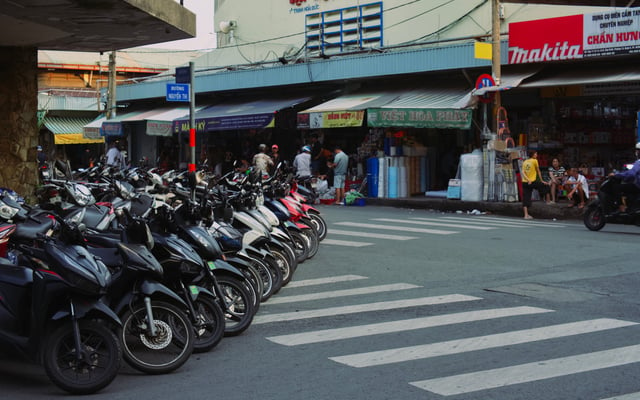
This is the genuinely important safety issue. Road traffic accidents — especially involving motorbikes and scooters — are the leading cause of injury and death for tourists in Thailand. Renting a scooter on an island is easy and tempting, but roads can be chaotic, other drivers unpredictable, and many travelers ride without proper experience, licenses, or helmets. If you ride, wear a helmet, have a motorcycle license (also an insurance requirement), and go slowly — or simply avoid scooters and use Grab, taxis, and songthaews instead.
Scams and petty crime
The most common hassles are scams and petty theft rather than violent crime. Classic scams include the "the temple is closed today" tuk-tuk gem-shop detour, taxis refusing the meter, jet-ski and scooter rental damage claims, and inflated bar tabs. Petty theft like pickpocketing and bag-snatching happens in crowded tourist areas. None of this is cause for alarm — just stay alert, use Grab and metered transport, keep an eye on your belongings, and be wary of strangers steering you toward shops or "special deals."
Areas to be aware of
A few specifics. The deep southern provinces bordering Malaysia (Yala, Pattani, Narathiwat, and parts of Songkhla) have a long-running insurgency and carry higher travel warnings — these are well off the standard tourist trail and worth avoiding. Border regions can occasionally see tension. The main tourist destinations — Bangkok, Chiang Mai, the popular islands — are not affected by these issues and are considered safe to visit normally.
Other safety considerations
A few more: bootleg alcohol tainted with methanol occasionally causes serious harm, so stick to sealed, reputable brands. Riptides affect some beaches — heed warning flags and ask locally. Drugs carry severe penalties in Thailand; don't risk it. And solo female travelers generally find Thailand comfortable and safe, with the usual sensible precautions. The emergency number for tourists is 1155 (Tourist Police, English-speaking); general emergencies are 191.
Is Thailand safe for solo and female travelers?
Thailand is one of the more comfortable countries in the region for solo travelers, including solo women, which is part of why it's so popular on the backpacker and independent-travel circuit. The usual sensible precautions apply — be cautious walking alone late at night in unfamiliar or nightlife-heavy areas, watch your drinks, keep friends or family updated on your plans, and trust your instincts — but harassment of the kind that troubles some destinations is relatively uncommon, and the strong tourist infrastructure makes traveling alone easy. Many first-time solo travelers choose Thailand precisely because it's welcoming and straightforward to navigate.
Practical safety tips
To sum up: use Grab or metered taxis rather than negotiating, avoid or be very careful with scooters, buy travel insurance with good medical and evacuation coverage, watch your belongings in crowds, stick to reputable alcohol, respect beach warning flags, and keep emergency numbers handy. Do those, keep your wits about you as you would in any unfamiliar place, and Thailand is a very safe and rewarding place to travel. For budgeting things like insurance, a live converter helps:
100 USD ≈ … THB (enable JavaScript for today's rate)
FAQ
Is Thailand safe for American tourists?
Generally yes — millions visit safely each year, violent crime against tourists is rare, and most of the country is at the lowest travel-advisory level. The main real risks are road accidents and scams, not violent crime.
What's the biggest safety risk in Thailand?
Road traffic accidents, especially on rented motorbikes and scooters — the leading cause of tourist injury and death. Wear a helmet and have a license if you ride, or avoid scooters and use Grab and taxis.
Are there areas of Thailand to avoid?
The deep southern provinces bordering Malaysia (Yala, Pattani, Narathiwat) have higher travel warnings due to a long-running insurgency. The main tourist areas — Bangkok, Chiang Mai, the islands — are not affected.
What's the emergency number in Thailand?
For tourists, call the English-speaking Tourist Police on 1155. For general emergencies, 191 (police) and 1669 (ambulance).