Thai public holidays: what actually closes, and the days nobody will sell you a beer
Which Thai public holidays close banks and offices, which Buddhist holy days stop all alcohol sales, and how Songkran changes the country for several days.
Thailand has more public holidays than most Americans expect, and they do not all behave the same way. Some close banks and government offices but leave every shop, bar and beach open. A handful of Buddhist holy days close almost nothing, yet stop the sale of alcohol everywhere from a rooftop bar to the 7-Eleven on the corner. And Songkran in April changes the whole country for several days at once.
The short answer for a visitor: on most Thai public holidays your trip carries on as normal. What changes depends on which kind of holiday it is, and the three kinds are worth telling apart before you arrive.
What closes on a Thai public holiday
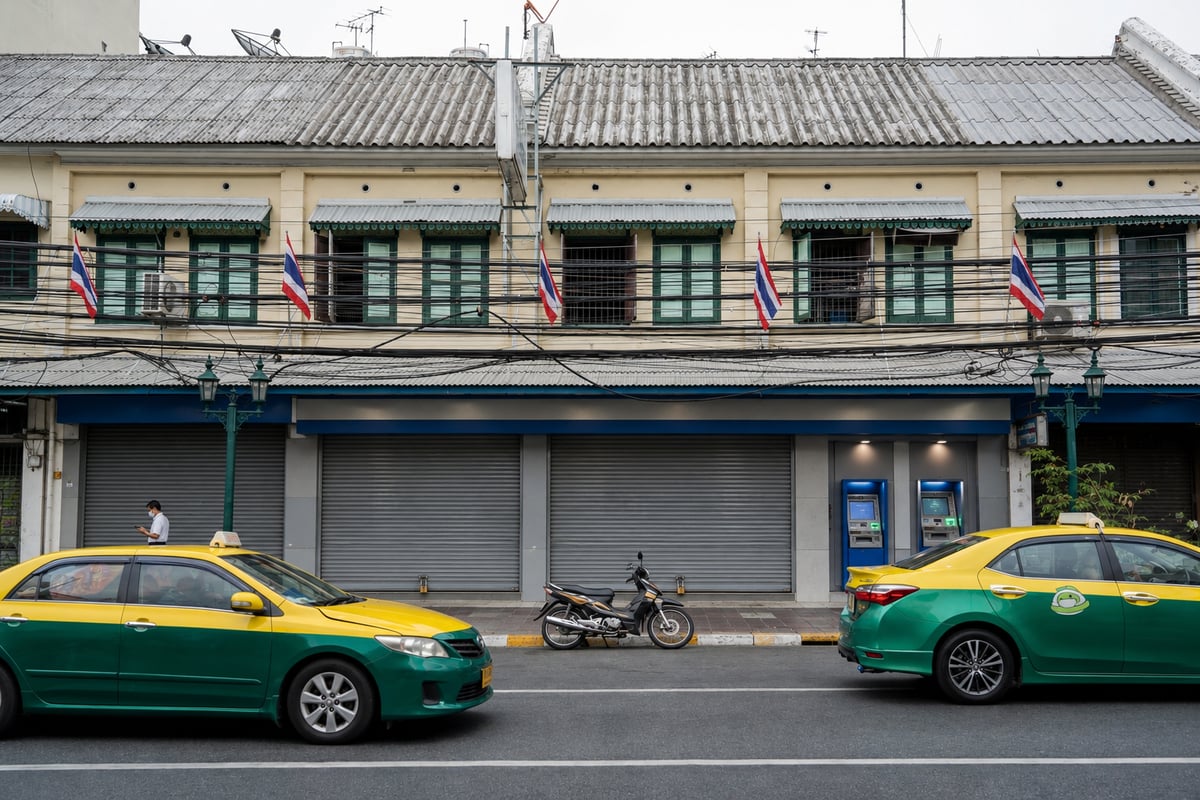
On a Thai public holiday, the places that close are banks, government offices, post offices, immigration offices and schools. Shopping malls, markets, convenience stores, restaurants, temples, most museums and tourist attractions stay open, and trains, buses, domestic flights and ferries keep running, usually fuller than usual. ATMs keep working through bank holidays, at the usual foreign-card charge, which starts from ฿220–350 per withdrawal.
For most travelers, then, the closures only matter if you need something from an office. The two that catch visitors out are a bank counter, if you planned to change cash or sort out a card problem in person, and an immigration office, if you planned to extend your stay. Everything a holiday-maker normally does, from temple visits to island boat trips, runs as usual.
Thailand also moves holidays around. When a public holiday falls on a Saturday or Sunday, the government usually gives a substitute day off on the following weekday, and it sometimes adds an extra bridging day to create a long weekend. Those decisions are announced during the year rather than fixed in advance, so a closure can appear on a Monday you did not expect. If an office visit matters, check that week's calendar before you go.
The Buddhist holy days when alcohol is not sold in Thailand
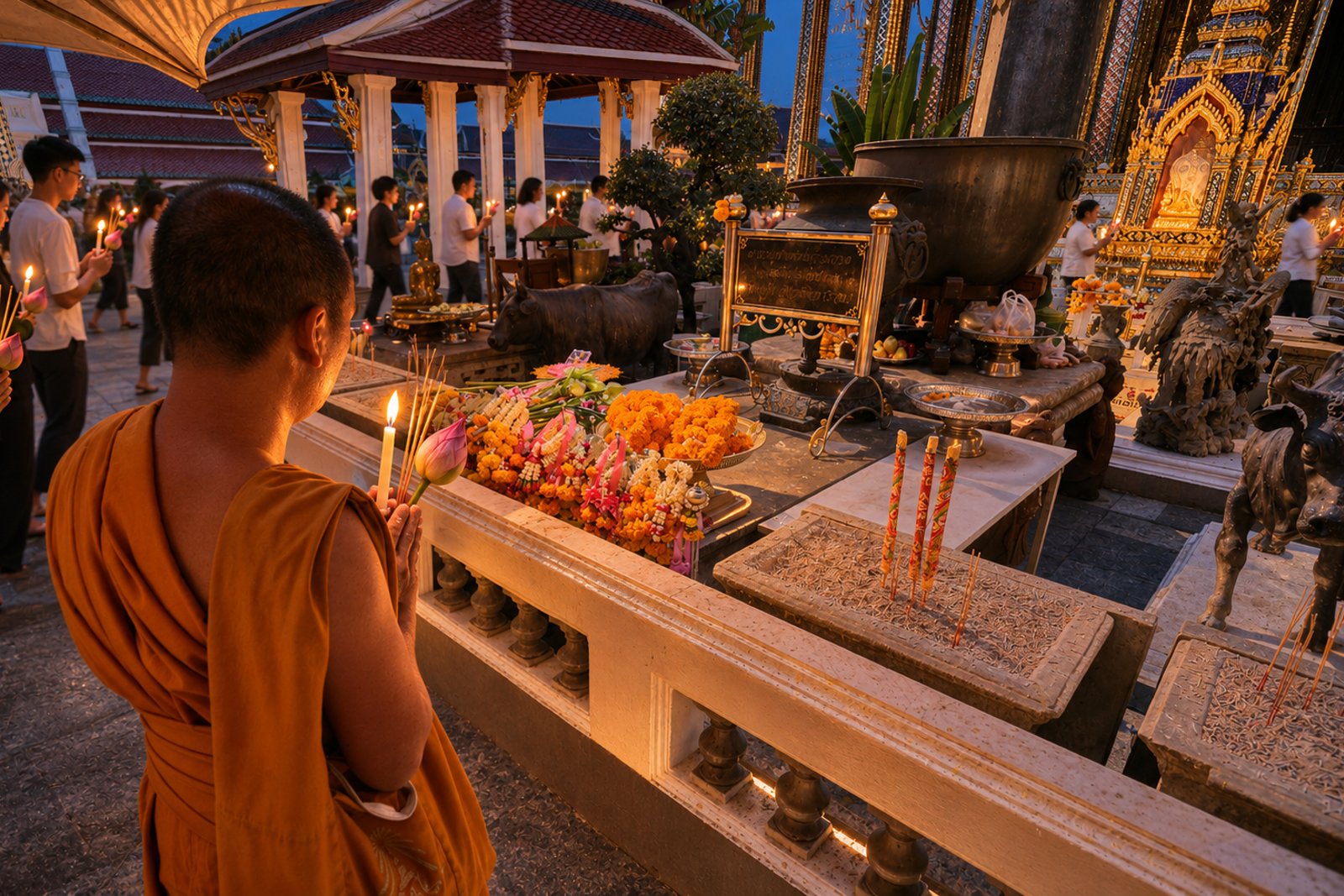
The Buddhist holy days when alcohol is not sold in Thailand are Makha Bucha, Visakha Bucha, Asahna Bucha, the start of Buddhist Lent (Khao Phansa) and the end of Buddhist Lent (Ok Phansa). On these days shops, supermarkets, convenience stores, bars and restaurants across the country stop selling alcohol from midnight to midnight. The dates follow the lunar calendar, so they move every year.
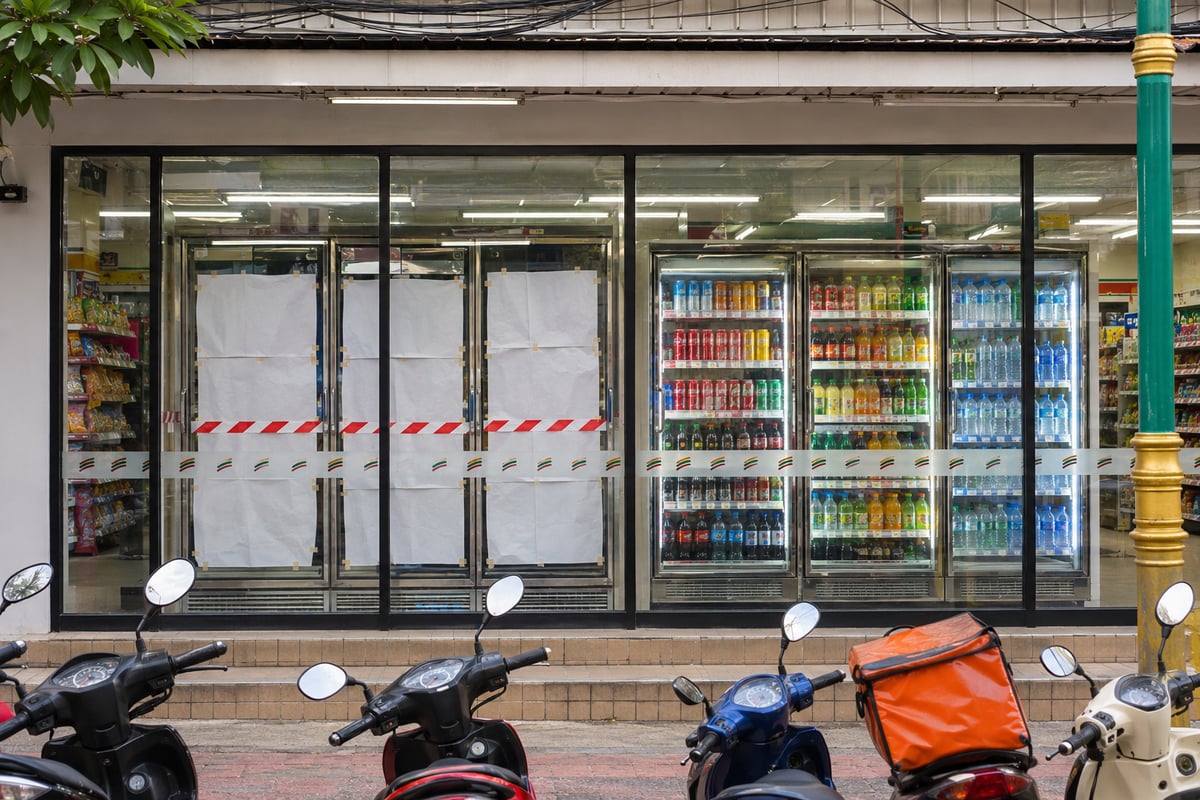
This is the part of the holiday calendar that genuinely changes a visitor's day. A 7-Eleven will still sell you snacks, coffee and a toasted sandwich, but the beer fridges are locked, taped shut or covered, and the cashier will not ring up a bottle of wine. Bars in tourist areas either close for the day or serve soft drinks only. Restaurants that normally pour beer will tell you politely that today they cannot.
What the ban does and does not cover
The ban is on selling, not on drinking. A bottle you bought the day before and keep in your hotel room is yours to open. That is why Thais and long-stay visitors who want a drink on a holy day simply buy it the evening before, and why the beer aisles are busy on the eve of each of these days.
Hotels are where practice varies. Some hotel bars and restaurants stop serving alcohol entirely, others serve guests quietly, and the policy can differ between two hotels on the same street. Treat any drink in a hotel on a holy day as a courtesy you may or may not be offered, not as something you can count on. The same goes for island beach bars: in the busiest party spots enforcement has sometimes been looser, but police checks do happen, and the fine falls on the business, which is why most owners would rather turn you away.
Election days carry a similar ban, starting the evening before polling and running to the end of election day. Those dates are announced only when an election is called, so they rarely show up on a printed holiday list.
The ordinary licensing hours also apply on every other day of the year: shops may sell alcohol only in two windows, with a gap in the afternoon, and our guide to drinking in Thailand covers how those hours work and where travelers trip over them.
Royal and national holidays in Thailand
Royal and national holidays in Thailand close banks and government offices but leave alcohol sales, shops and tourist sights alone. They include Chakri Day on 6 April, Coronation Day on 4 May, the King's Birthday on 28 July, the Queen Mother's Birthday on 12 August, King Bhumibol Memorial Day on 13 October, Chulalongkorn Day on 23 October, Father's Day on 5 December and Constitution Day on 10 December.
On these days you will see more yellow and royal portraits than usual, and on some of them flags, ceremonies and evening events in central Bangkok, especially around Sanam Luang and Ratchadamnoen Avenue. A visitor's day is barely affected. The one exception worth knowing is the Grand Palace, which can close at short notice for royal ceremonies, so if seeing it is the point of your Bangkok day, check its notices before you set out.
New Year's Day is a holiday too, and many offices also close on New Year's Eve. Chinese New Year is not a nationwide public holiday, but in Bangkok's Chinatown and parts of Phuket Town many family-run shops and restaurants shut for several days while the streets fill with celebrations.
Songkran: the holiday that closes the most in Thailand
Songkran, the Thai New Year from 13 to 15 April, is the holiday that closes the most in Thailand. Government offices and banks close for the official days, and many family-run shops, workshops and small restaurants close for longer while owners travel home. Malls, convenience stores, hotels and tourist businesses stay open, and alcohol is sold as normal. Often the government extends the break with extra days.
For a visitor, Songkran's real effect is on movement rather than opening hours. Bangkok empties, buses and trains out of the city sell out in the days before, and seats back fill up in the days after. In Chiang Mai, Bangkok's Khao San Road and Silom, and most tourist towns, the streets become a water fight from morning until dark, and anyone who walks outside gets soaked. Taxis and tuk-tuks become scarcer, and road travel on the holiday is famously dangerous.
If you want to be in Chiang Mai for it, the old city moat is the center of the action and rooms near it go first, so book early rather than arriving to find the city full.
Thai holidays and your visa: plan the immigration office around them
Thai holidays matter most for your visa if you plan to extend your stay. Americans enter visa-exempt for 30 days, and extending means visiting an immigration office in person and paying ฿1,900. Immigration offices close on every public holiday and on substitute days, so a holiday near your last permitted day can leave you with fewer working days than you counted.
The fix is simply not to leave it to the end. Look at the holiday calendar for the week your permission runs out, and go to the office several working days early, especially around Songkran, when offices close and then reopen to long queues. Our walk-through of the Thailand visa extension process covers what to bring and how the visit goes.
Holidays are one of several date-driven things that shape where a Thailand trip can go in which week; the complete thailand trip guide lays those out together.
Thai public holidays: quick questions
Is Thailand closed on public holidays?
No. Banks, government offices, post offices and immigration offices close, but shops, malls, markets, restaurants, temples, attractions and transport stay open on almost every Thai public holiday.
Can I buy beer at 7-Eleven on a Buddhist holiday?
No. On Makha Bucha, Visakha Bucha, Asahna Bucha and the start and end of Buddhist Lent, convenience stores, supermarkets, bars and restaurants do not sell alcohol. Buy it the day before if you want a drink.
Do hotels serve alcohol on Thai alcohol-ban days?
Some do, some do not, and the policy differs from hotel to hotel. Do not count on it; ask at the front desk if it matters to you.
Is alcohol banned during Songkran?
No. Songkran is not one of the alcohol-ban days, and bars and shops sell alcohol as normal through the festival.
Are ATMs working on Thai bank holidays?
Yes. Bank branches close, but ATMs keep working and charge foreign cards their usual fee per withdrawal.
Keep planning
Not sure how it all fits together?
Pick your trip length and we'll route a real day-by-day plan.