A complete checklist of Thailand's entry requirements for U.S. travelers — passport rules, visa exemption, the mandatory TDAC, proof of funds and onward travel, and health rules.
Entering Thailand as an American is generally straightforward, but there's a checklist of requirements worth getting right before you fly — from passport validity to the mandatory digital arrival card. Some are strictly enforced, others only occasionally checked, and the visa-free allowance was cut to 30 days on 15 September 2026. Here's the complete picture. For more, see Do Americans Need a Visa for Thailand?.
Important: entry rules can change with little notice. Use this as an overview and confirm the current requirements with official sources — the U.S. State Department's Thailand page and Thailand's official immigration and e-Visa sites — close to your travel date.
1. A valid passport
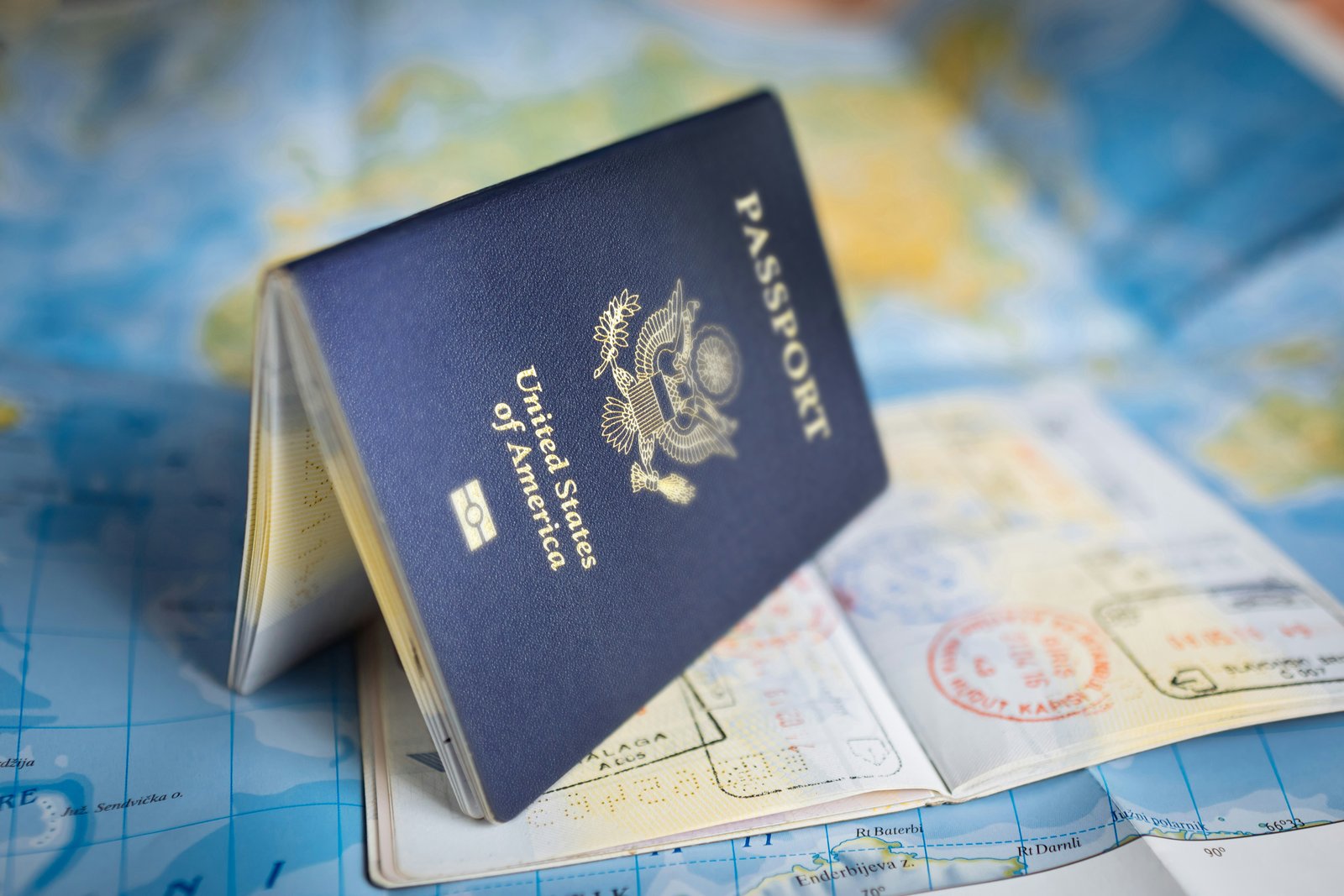
Your passport should be valid for at least six months beyond your date of arrival in Thailand. This is a common requirement that can be and is enforced, so check your expiration date well before you travel and renew if you're cutting it close. Make sure you also have at least one or two blank pages for entry stamps.
2. Visa exemption (for tourism)
U.S. passport holders can enter Thailand for tourism without arranging a visa in advance, under Thailand's visa-exemption scheme — you receive permission to stay on arrival. That permission is 30 days as of 15 September 2026, reduced from the 60 days granted since 2024; a further 30-day extension can be applied for inside Thailand. Whatever the rule says, the date that binds you is the one stamped in your passport on arrival. A normal vacation of one to three weeks fits comfortably inside it.
3. The mandatory TDAC
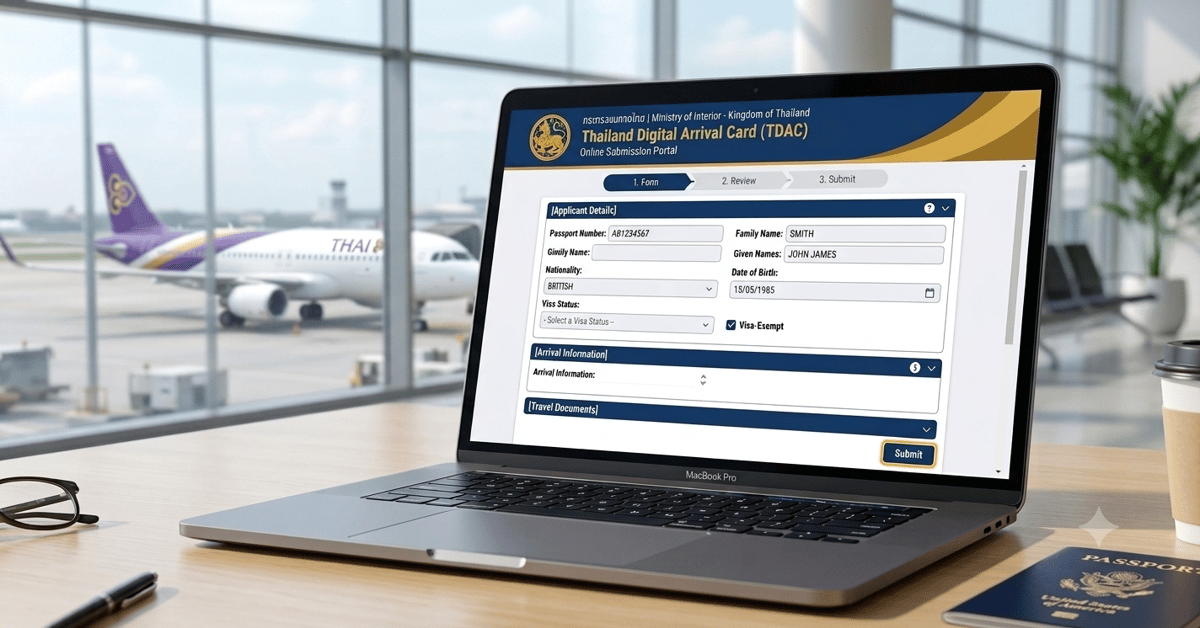
All foreign visitors must complete the Thailand Digital Arrival Card (TDAC) online before arriving, within 72 hours of arrival. It's free on the official government site (beware fee-charging imitations), and it's required even though you're visa-exempt. This replaced the old paper arrival card and is now a standard part of entering the country.
4. Proof of onward or return travel
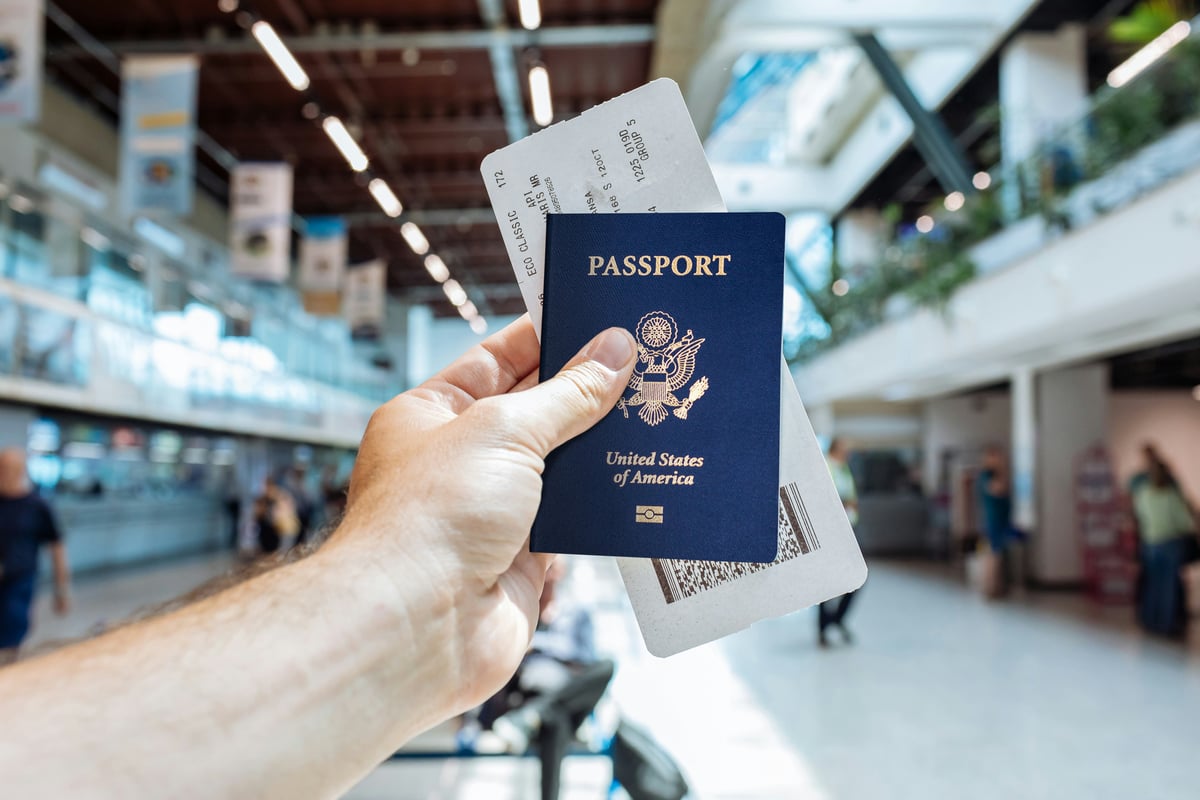
Airlines and immigration officers may ask for proof that you'll leave Thailand within your permitted stay — typically a return or onward flight booking. Airlines in particular sometimes check this before letting you board, so have your return or onward ticket details accessible. It's rarely a problem for a normal round-trip vacation, but worth having ready.
5. Proof of sufficient funds
Immigration can, on occasion, ask visitors to show proof of adequate funds for their stay — a guideline figure per person or per family, in cash or via a recent bank statement. These checks are sporadic rather than routine and the thresholds are change-prone, so don't rely on a fixed number; simply have access to a credit card and some cash, and a bank statement if you want to be thorough. Most tourists are never asked.
6. Health and vaccination rules
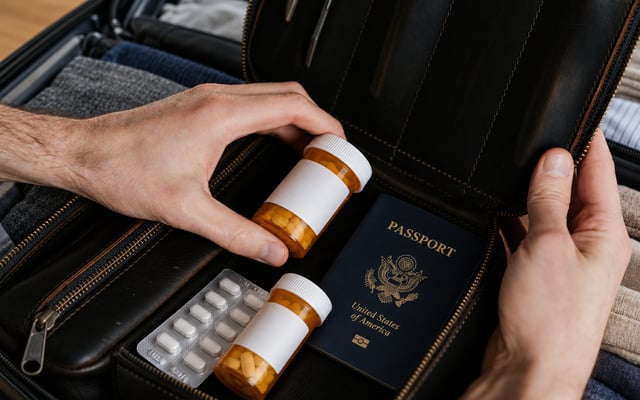
No vaccines are legally required to enter Thailand from the United States, unless you're arriving from a country with yellow fever risk (in which case proof of yellow fever vaccination is required). Separately, the CDC recommends certain vaccines for travelers — routine ones plus Hepatitis A and Typhoid for most — but those are health recommendations, not entry requirements. Check the latest health guidance before you travel.
Entering by land or from a neighboring country
If your trip includes crossing into Thailand overland — say, from Malaysia, Cambodia, or Laos — or you make a side trip to a neighboring country and return, the same core rules apply, but with a couple of wrinkles. You'll need a fresh TDAC for each entry, and land-border crossings have sometimes had different rules or limits on visa-exempt entries than air arrivals. If your itinerary involves multiple entries or land borders, this is exactly the kind of detail to verify on official sources beforehand, since it's both more complex and more change-prone than a simple round-trip flight.
A pre-departure checklist
Before you fly: confirm your passport is valid 6+ months out; check the current visa-exempt stay length on official sites; complete the free TDAC within 72 hours of arrival; have your return/onward flight booking accessible; keep a credit card, some cash, and ideally a bank statement available; and review current CDC health recommendations. Tick those off and entry should be smooth. For budgeting the funds side of things, a live converter helps you translate any baht guideline figures:
100 USD ≈ … THB (enable JavaScript for today's rate)
FAQ
What do Americans need to enter Thailand?
A passport valid 6+ months, entry under the visa exemption for tourism (30 days since 15 September 2026), the completed free TDAC, and ideally proof of onward travel and funds.
How many blank passport pages do I need?
At least one or two for entry stamps, plus passport validity of at least six months beyond your arrival date — both are worth checking before you fly.
Will I be asked for proof of funds or onward travel?
Sometimes. Onward/return tickets are occasionally checked by airlines or immigration; proof-of-funds checks are sporadic. Have a return ticket, a card, and some cash accessible to be safe.
Do I need any vaccines to enter Thailand?
None are legally required from the U.S. unless arriving from a yellow-fever country. The CDC recommends certain vaccines (like Hepatitis A and Typhoid), but those are health advice, not entry requirements.