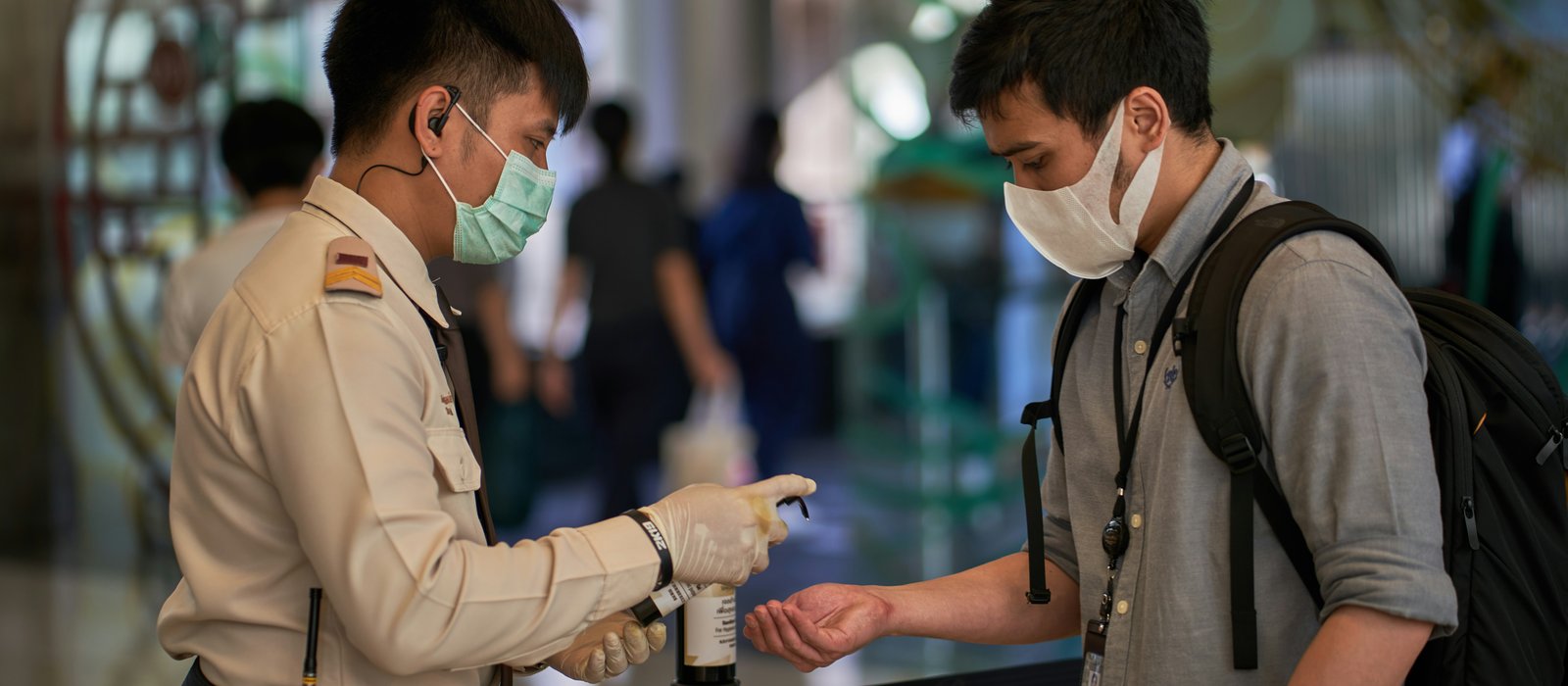
Staying healthy in Thailand is mostly about a few sensible precautions — the country has good medical care and the risks are manageable with a little preparation. Here's a practical guide to vaccines, water and food safety, mosquito-borne illness, and what to do if you do get sick.
Note: this is general travel information, not medical advice. Consult a travel clinic or your doctor about your specific health needs before you go, and check current CDC guidance.
Vaccines
No vaccines are legally required to enter Thailand from the U.S. (unless you're arriving from a yellow-fever country). However, the CDC commonly recommends being up to date on routine vaccines plus Hepatitis A and Typhoid for most travelers, as these relate to food and water. Depending on your plans and length of stay, Hepatitis B, Japanese encephalitis, and rabies may also be suggested. See a travel clinic four to six weeks before departure, since some vaccines need time to take effect.
Don't drink the tap water
The simplest rule: don't drink Thailand's tap water. Stick to bottled water, which is cheap and sold everywhere. Ice in established restaurants, bars, and cafés is generally safe (it's made commercially from purified water), so you don't need to avoid it in normal tourist settings — but use a bit more caution with ice from very basic roadside stalls. Use bottled water for brushing teeth too if you want to be cautious early in the trip.
Food safety and avoiding stomach trouble
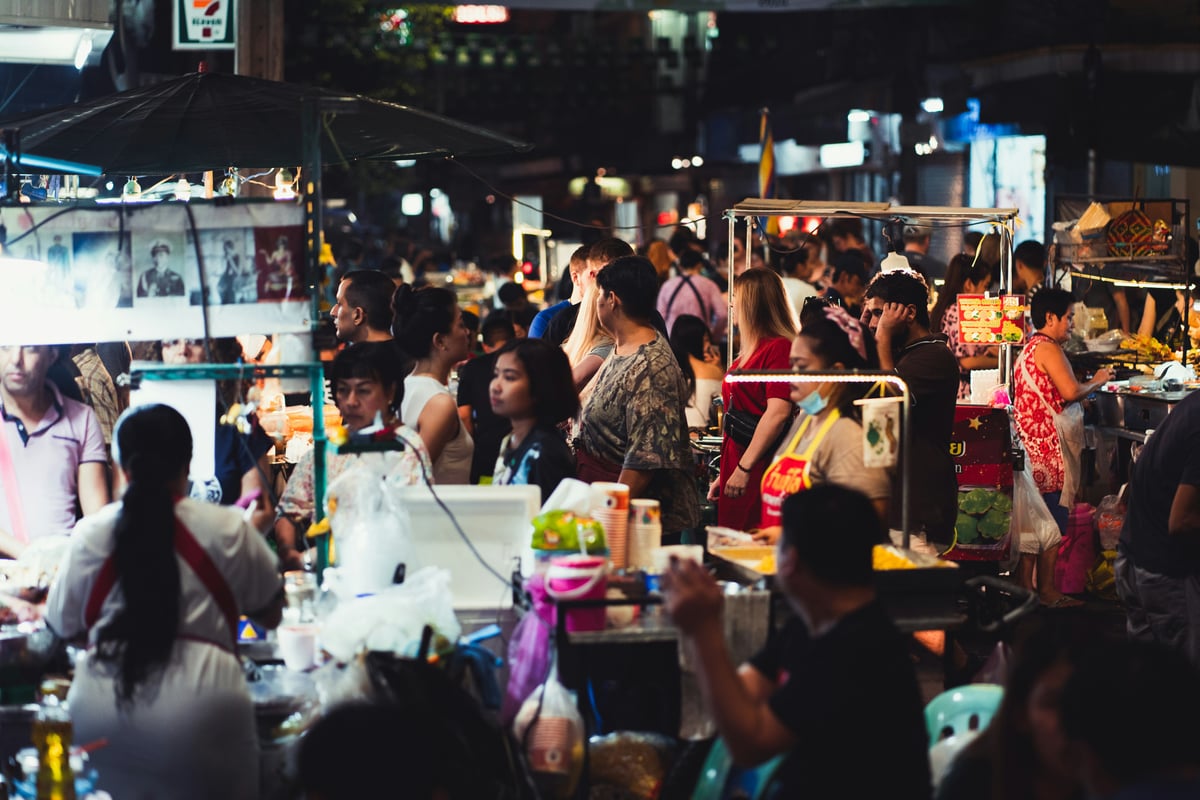
Thai street food is one of the joys of the trip and is generally safe — the key is choosing well. Eat at busy stalls with high turnover (fresh food, lots of locals), choose food that's cooked fresh and served hot, and be a little more careful with raw items, pre-cut fruit left sitting out, and uncooked shellfish. Give your stomach a day or two to adjust to new spices and ingredients — mild stomach upset early on is common and usually passes. Carry rehydration salts and an anti-diarrheal just in case, and stay hydrated.
Mosquitoes and what they carry
Mosquitoes in Thailand can transmit dengue fever (the main concern, present year-round but worse in the rainy season), and in some rural areas, other illnesses. There's no preventive pill for dengue, so prevention means avoiding bites: use insect repellent (especially at dawn and dusk), wear long sleeves and trousers in the evenings in higher-risk areas, and consider repellent-treated clothing for rural or jungle trips. Malaria risk is low in the main tourist areas but present in some remote border regions — ask a travel clinic if your itinerary includes those.
The heat and sun
Thailand's tropical heat is no joke. Stay hydrated, pace yourself, seek shade and air-conditioning during the hottest hours, and use strong sun protection. Heat exhaustion is a real risk for active travelers who underestimate the climate, so build rest into hot days and drink more water than you think you need.
Packing a basic health kit
A small personal health kit saves a lot of hassle in the first days before you've found a pharmacy. Worth bringing: any prescription medications in their original packaging (with a copy of the prescription), plus pain relievers, anti-diarrheal medication, oral rehydration salts, motion-sickness tablets for boats and winding mountain roads, antihistamines, blister plasters, and any personal remedies you rely on. Thai pharmacies are excellent, cheap, and widespread, so you can restock easily — but having the basics from day one means a minor stomach upset or headache doesn't derail your first day on the beach.
Medical care if you need it
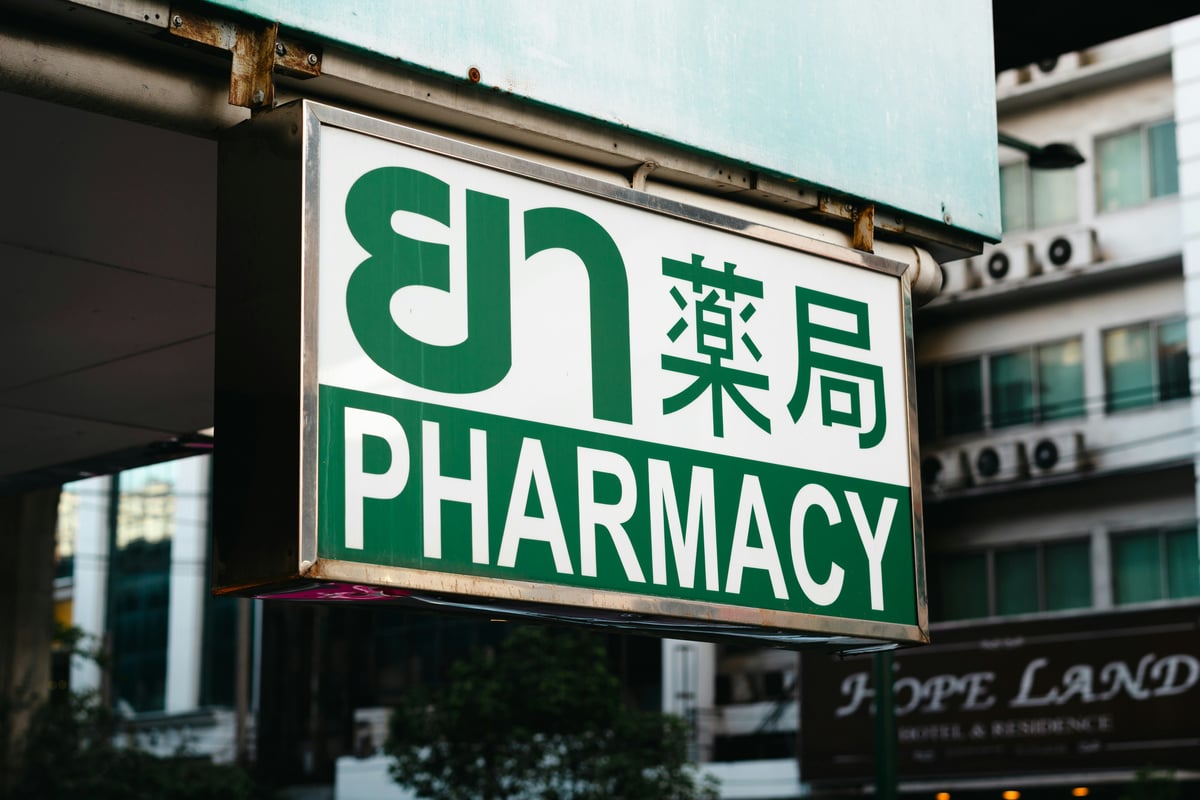
Thailand has good medical facilities, especially the private hospitals in Bangkok, Chiang Mai, Phuket, and other tourist centers, which are modern, professional, and used to treating foreigners — many staff speak English. Pharmacies are widespread, well-stocked, and can advise on minor issues. The catch is cost: private care expects payment and serious treatment is expensive, which is exactly why travel insurance with good medical and evacuation cover is essential. For a minor issue, a pharmacy or clinic is cheap and easy; for anything serious, your insurance matters. Check a live converter rather than a fixed figure for any costs:
100 USD ≈ … THB (enable JavaScript for today's rate)
FAQ
What vaccines do I need for Thailand?
None are legally required from the U.S. (barring arrival from a yellow-fever country), but the CDC commonly recommends routine vaccines plus Hepatitis A and Typhoid. See a travel clinic 4–6 weeks before you go.
Can you drink the tap water in Thailand?
No — stick to bottled water, which is cheap and everywhere. Ice in established venues is generally safe (made from purified water), though use more caution with very basic roadside stalls.
How do I avoid getting sick from Thai food?
Eat at busy stalls with high turnover, choose food cooked fresh and served hot, be careful with pre-cut fruit and raw shellfish, and give your stomach a day or two to adjust. Carry rehydration salts just in case.
Is there a risk of dengue or malaria in Thailand?
Dengue (mosquito-borne) is present year-round, worse in the rainy season — prevent bites with repellent and covering up. Malaria risk is low in tourist areas but exists in some remote border regions; consult a travel clinic.