Bangkok to Chiang Mai, or Bangkok toward the southern islands, can be covered by air in about an hour or by sleeper train overnight. They are not the same journey in any respect except the endpoints. Here is what each involves.
The flight
Bangkok to Chiang Mai takes about an hour in the air. Bangkok to Phuket runs about an hour and fifteen minutes; to Koh Samui about an hour.
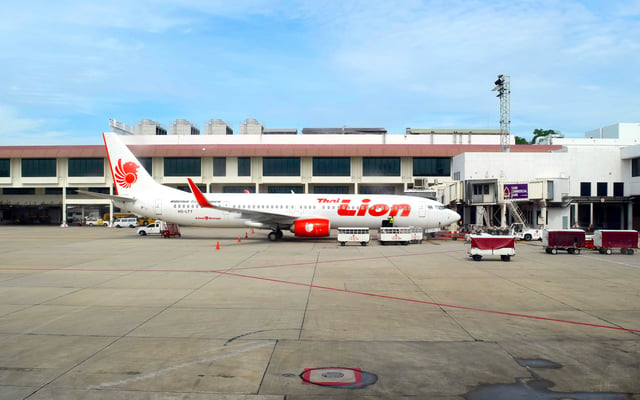
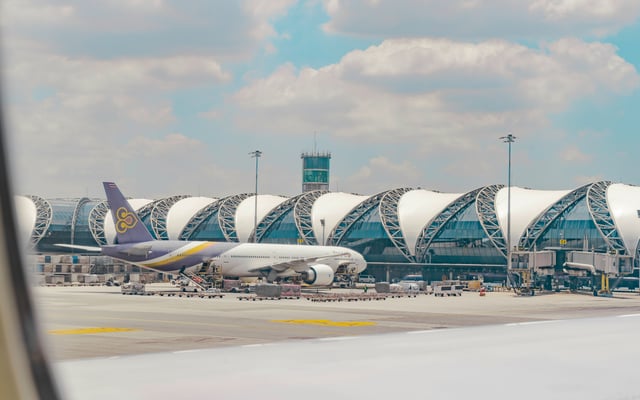
Domestic routes are operated by Thai Airways, Bangkok Airways, Thai AirAsia, Nok Air and Thai Lion Air. Which airport a flight leaves from depends on the carrier — the low-cost airlines operate largely from Don Mueang, the full-service ones from Suvarnabhumi, and those are two separate airports about 50 km apart.
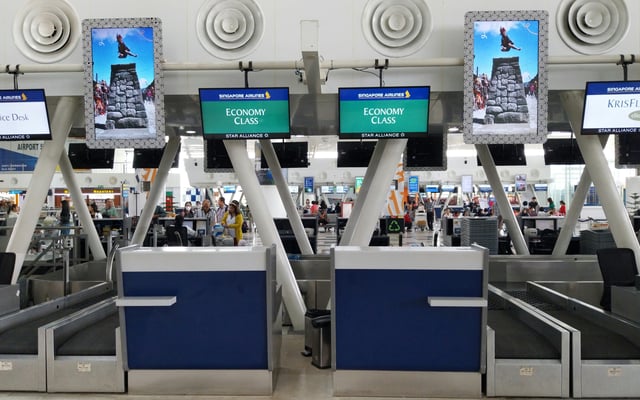
The hour in the air is not the journey. Airport travel at both ends, check-in, security and baggage reclaim surround it, and where the departure airport is not the one you arrived into, a 50 km road transfer surrounds that.
The one route where the choice is real: Bangkok → Chiang Mai. (Enable JavaScript for the interactive map.)
The overnight train
Sleepers run north to Chiang Mai and south toward Surat Thani, the mainland gateway for the Gulf islands.
Bangkok to Chiang Mai takes about 12.5 to 13 hours, with services departing in the evening and arriving early the following morning.
Bangkok toward Surat Thani takes about 11 to 13 hours.
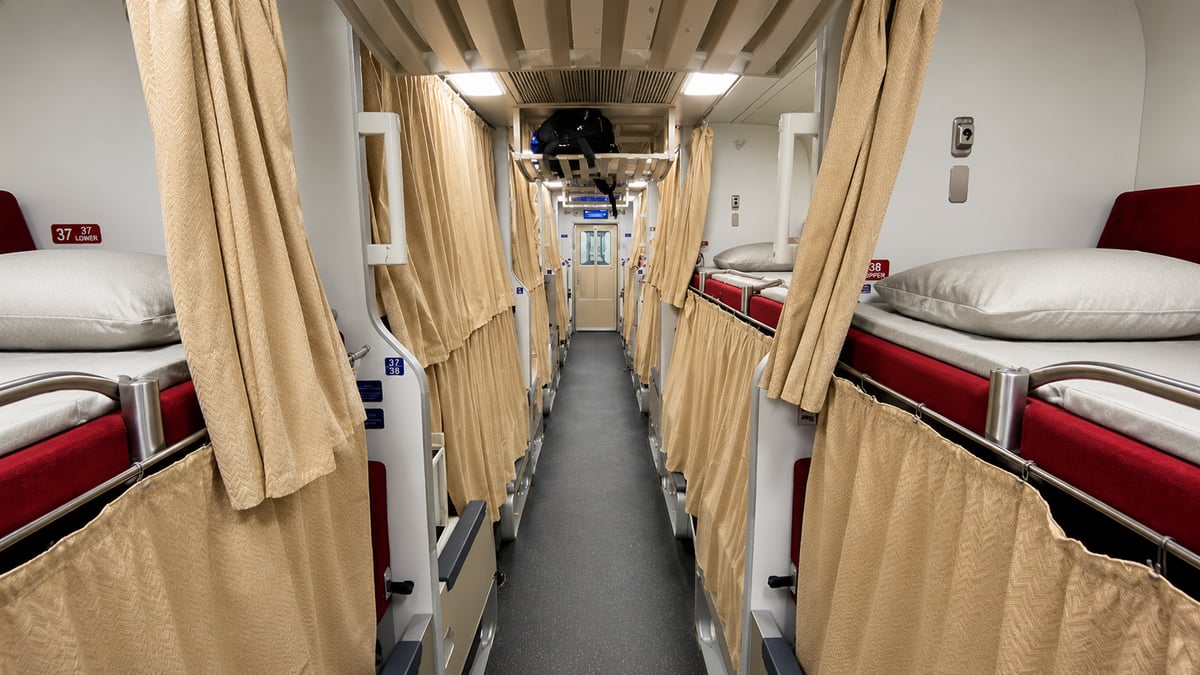
Accommodation is in first or second class air-conditioned sleepers with upper and lower berths; fan-cooled options exist on some services. Popular berths need booking weeks ahead.
The station changed
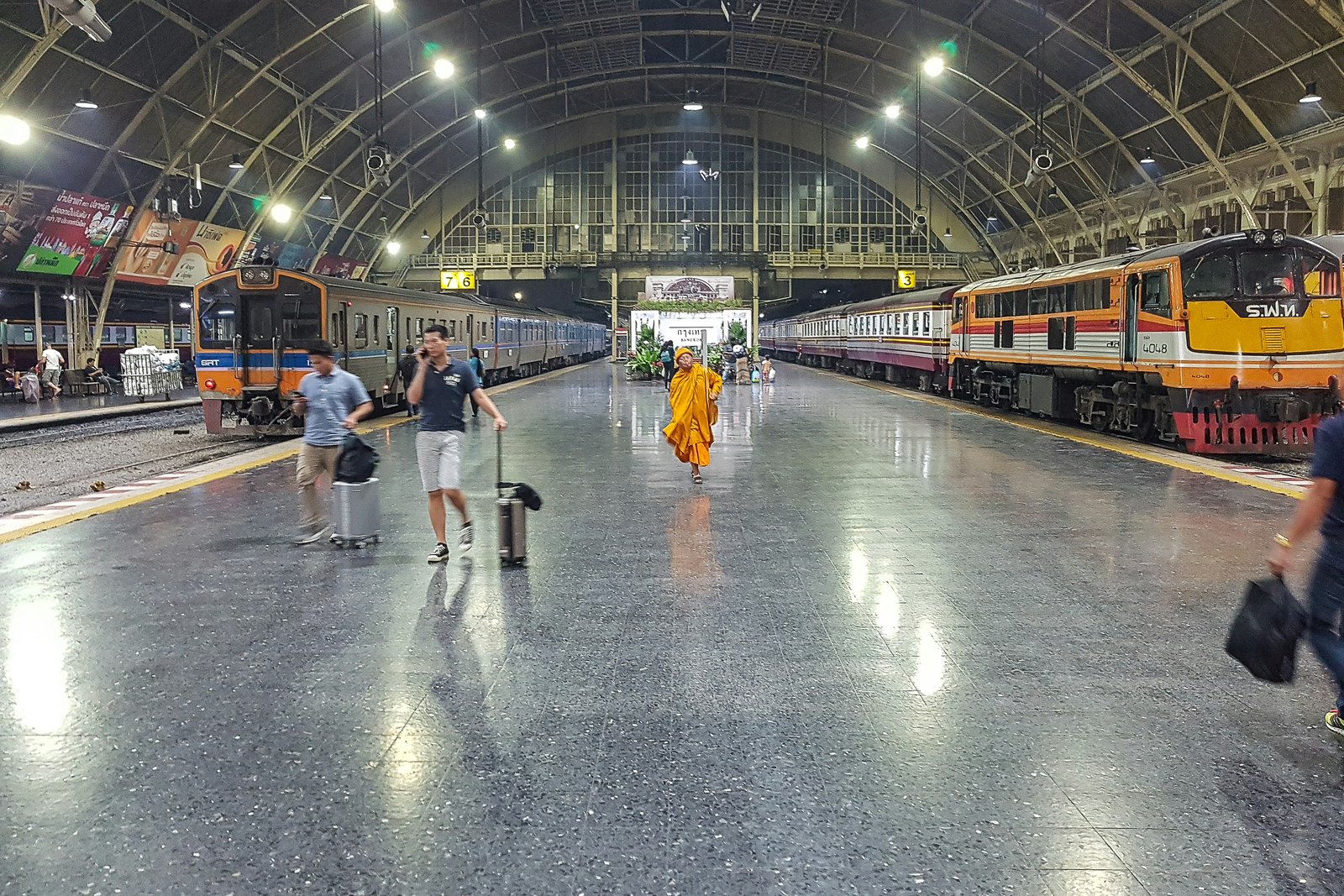
Long-distance services in all directions now run from Krung Thep Aphiwat Central Terminal. Hua Lamphong, the station named in most older guides and still fixed in a lot of published itineraries, is no longer the primary long-distance terminus.
Anyone planning from a guide written before the change would arrive at the wrong station.
What each does to the day around it
This is where the two diverge most, and it has nothing to do with the journey time.
A flight consumes part of a day at both ends — travel to the airport, the flight, travel from it. The day it lands in is a partial day.
An overnight train consumes a night and arrives early in the morning. It also removes a night of accommodation from the trip, and delivers a traveller into a full day at the destination rather than a partial one — though a full day begun on whatever sleep the berth allowed.
So the comparison is not one hour against thirteen. It is a partial day plus a hotel night, against a night in a berth and a full day on the ground.
Booking mechanics
Sleeper berths sell out weeks in advance on popular routes, so the train is the leg that has to be committed to early. Domestic flights are generally available closer in, at fares that move with demand. If the sleeper wins, how Thai trains and classes work explains the routes, the berths and how to book the overnight to Chiang Mai.
Fares for both move enough that they are worth checking live rather than planning against a remembered figure:
100 USD ≈ … THB (enable JavaScript for today's rate)
Where the train does not go
One limit is worth stating plainly, because the comparison above only holds on the routes where both options exist.
The sleeper serves Chiang Mai in the north and Surat Thani in the south. Surat Thani is a mainland town, not an island — it is the gateway for the Gulf islands, and reaching Koh Samui, Koh Phangan or Koh Tao from it still means a bus-and-boat or ferry transfer on top of the overnight journey.
For Phuket and Krabi there is no equivalent choice at all: neither is on the rail network, so the comparison there is a flight against a long overland bus, which is a different question from the one on this page.
Where this sits in a trip
The choice looks like a transport question and behaves like an itinerary question. It determines which day the destination begins, whether a hotel night is spent in Bangkok or in a berth, how early one leg has to be committed, and — if the flight leaves from the other airport — whether a 50 km road transfer sits in the middle of it.
Those consequences land in different parts of the plan and are decided at different times. How they fit together is worked through in the complete Thailand trip guide.
FAQ
How long is the overnight train from Bangkok to Chiang Mai?
About 12.5 to 13 hours, departing in the evening and arriving early the next morning.
Which Bangkok station do long-distance trains leave from?
Krung Thep Aphiwat Central Terminal serves all long-distance directions. Hua Lamphong, named in most older guides, is no longer the primary long-distance terminus.
How far ahead do I need to book a sleeper berth?
Weeks ahead on popular routes. Domestic flights are generally available closer to the date, at fares that move with demand.
How long is the flight from Bangkok to Chiang Mai?
About an hour in the air, with airport time at both ends — and a 50 km road transfer if the departure airport is not the one you arrived into.
What classes are on Thai sleeper trains?
First and second class air-conditioned sleepers with upper and lower berths, plus fan-cooled options on some services.