Affiliate disclosure: this guide contains affiliate links. If you book through them we may earn a commission, at no extra cost to you.
Four of Thailand's southern islands have an airport. The rest are reached by a flight to somewhere else, a road transfer, and a boat. Which category an island falls into shapes every journey to and from it.
The airports and what they actually serve
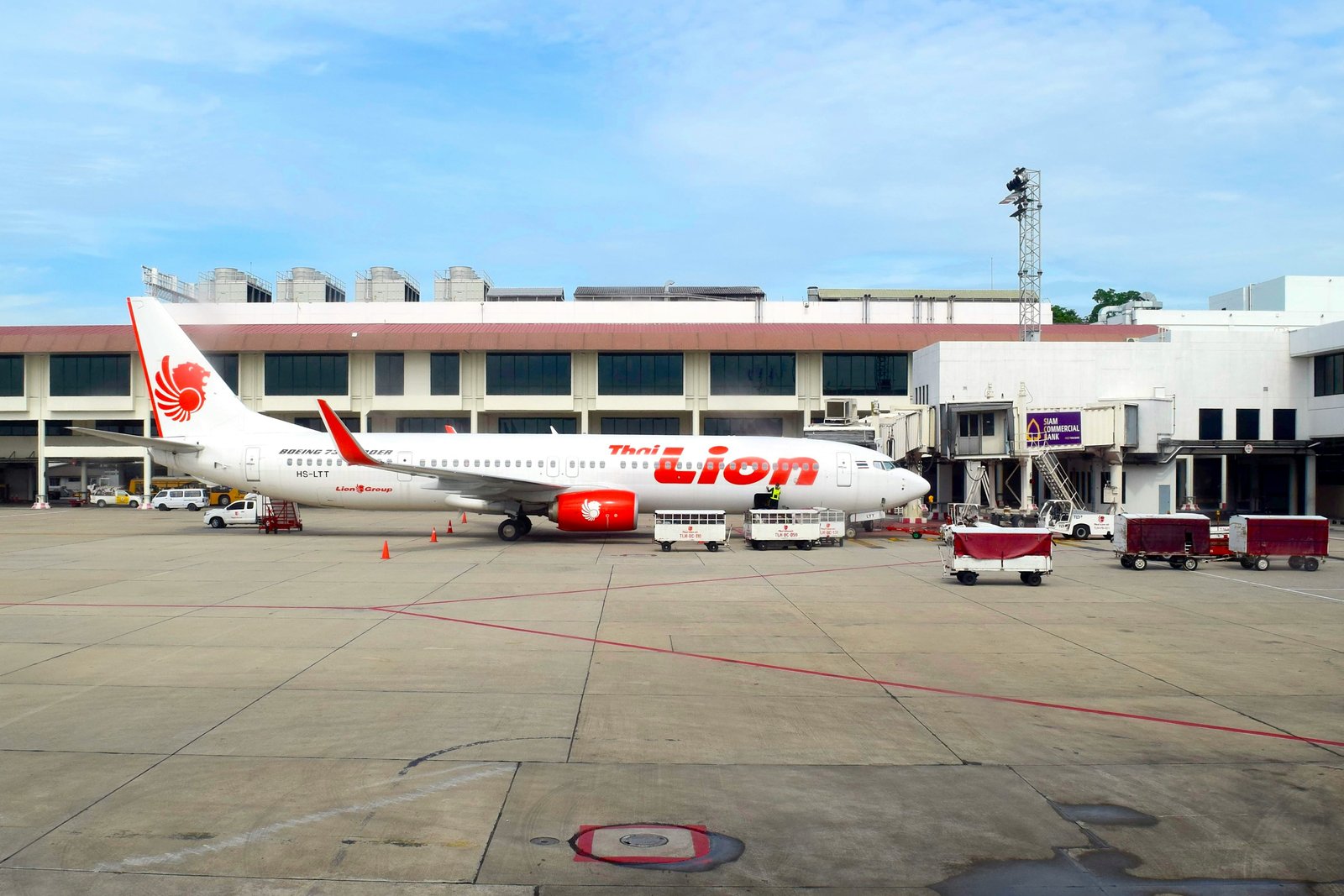
Phuket (HKT) and Koh Samui (USM) serve their own islands directly. Land and you are there.
Krabi (KBV) serves the Krabi and Ao Nang area on the mainland, which is where many people stay while visiting the surrounding islands by day boat.
Surat Thani (URT) is a mainland airport and the gateway for the Gulf islands. It is not on an island and no island is walkable from it.
Flights from Bangkok run about an hour to Koh Samui and about an hour and fifteen minutes to Phuket.
The three southern airports: Bangkok · Phuket · Koh Samui. (Enable JavaScript for the interactive map.)
The islands with no airport
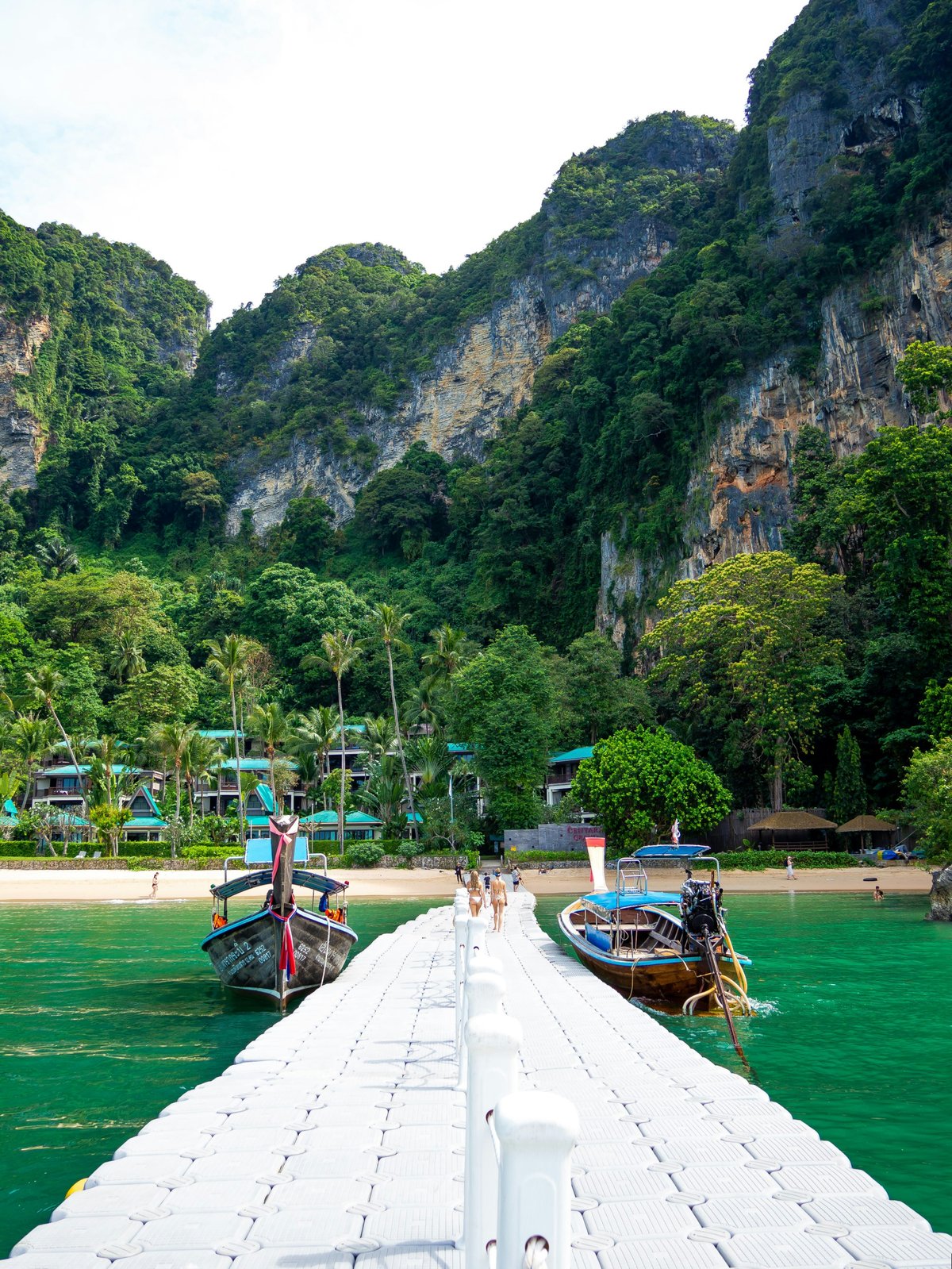
Koh Phangan, Koh Tao, Koh Lanta and Koh Chang have no airport at all. Reaching any of them means flying to a mainland or larger-island airport, transferring by road to the relevant pier, and taking a boat.
So a journey to Koh Tao is a flight, a road transfer, and a crossing — three legs, each with its own timetable, most often booked separately from one another.
Koh Samui airport is privately owned and operated by Bangkok Airways, which limits which carriers serve it. The island with the most direct air access has the most constrained set of operators on that access, which means fewer alternatives when a flight is cancelled or missed.
Seasonal schedules
Domestic schedules to the southern airports thin out outside high season. Fewer daily services means fewer options on any given day, and the reduced season overlaps with the wetter months when boat crossings are also more likely to be disrupted.
What is not published
Last departure times from the southern airports are not reliably documented. That gap matters more than it sounds, because it is the fact that determines whether a same-day connection from an international arrival is possible at all — whether a traveller landing in Bangkok in the afternoon can reach a southern island that night, or is spending it in Bangkok.
Anyone quoting a confident last-flight time is working from a schedule that may have changed. The current timetable for the specific date is the only reliable source.
The return is the harder direction
Everything above describes the journey out. The same legs run in reverse at the end of the trip, and that is the direction that costs something, because an international departure is waiting at the end of them.
Going out, a delayed boat costs you an afternoon. Coming back, the same delay runs through a road transfer and a domestic flight before it reaches a long-haul ticket that was almost certainly booked separately — and a separately booked leg carries no protection at all. The undocumented last departure times matter most here: the question is not whether a boat runs that day but whether the one you need still connects.
The practical answer is to come back a day early and spend the last night on the mainland or in Bangkok. It converts the whole chain from a risk into a buffer, and it is the one decision on this page that costs nothing to make in advance.
Which islands have airports, which need a boat, how many legs each journey involves, and how those legs are booked are all fixed facts, knowable while an itinerary is being built. They interact with when the international flight lands, how the domestic leg was booked, and which season the trip falls in — none of which is decided at the same moment.
How the southern air map combines with the rest of an itinerary is worked through in the complete Thailand trip guide.
FAQ
Which Thai islands have airports?
Phuket (HKT) and Koh Samui (USM) have airports on the island itself. Krabi (KBV) serves the mainland Krabi and Ao Nang area, and Surat Thani (URT) is the mainland gateway for the Gulf islands.
How do I get to Koh Tao?
There is no airport. It means flying to a mainland or larger-island airport, transferring by road to the pier, and taking a boat — three legs, usually booked separately.
How long is the flight from Bangkok to Koh Samui?
About an hour. Phuket is about an hour and fifteen minutes.
Do flights to southern Thailand run year-round?
Yes, but schedules thin out outside high season — which overlaps with the wetter months when boat crossings are also more likely to be disrupted.
Can I reach a southern island the same day I land in Bangkok?
It depends on the last departure of the day, which is not reliably published and varies by airport and season. The current timetable for your specific date is the only reliable source.