Thailand Domestic Flights: Baggage Allowance and Changes
Full-service carriers typically include 20 to 30 kg of checked baggage; low-cost carriers often sell carry-on-only fares. Plus through-checking and changes.
The baggage allowance on a Thai domestic flight depends on the carrier: full-service airlines typically include 20 to 30 kg of checked baggage, while low-cost carriers commonly sell carry-on-only fares with bags as a paid add-on. So a cheap domestic fare often prices differently once a bag and a schedule change are added, and a leg booked separately from the international ticket carries no protection at all. Here is how the mechanics work.
Baggage allowance
The allowance depends on which kind of carrier you booked.
Full-service carriers — Thai Airways, Bangkok Airways — typically include 20 to 30 kg of checked baggage in the fare.
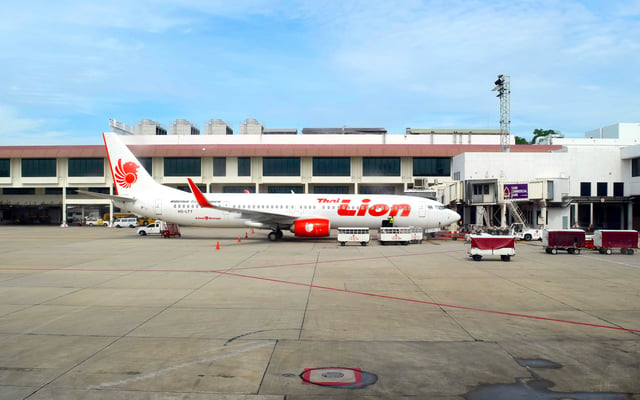
Low-cost carriers — Thai AirAsia, Nok Air, Thai Lion Air — commonly sell carry-on-only fares, with checked baggage as a paid add-on bought at booking or later at a higher price.
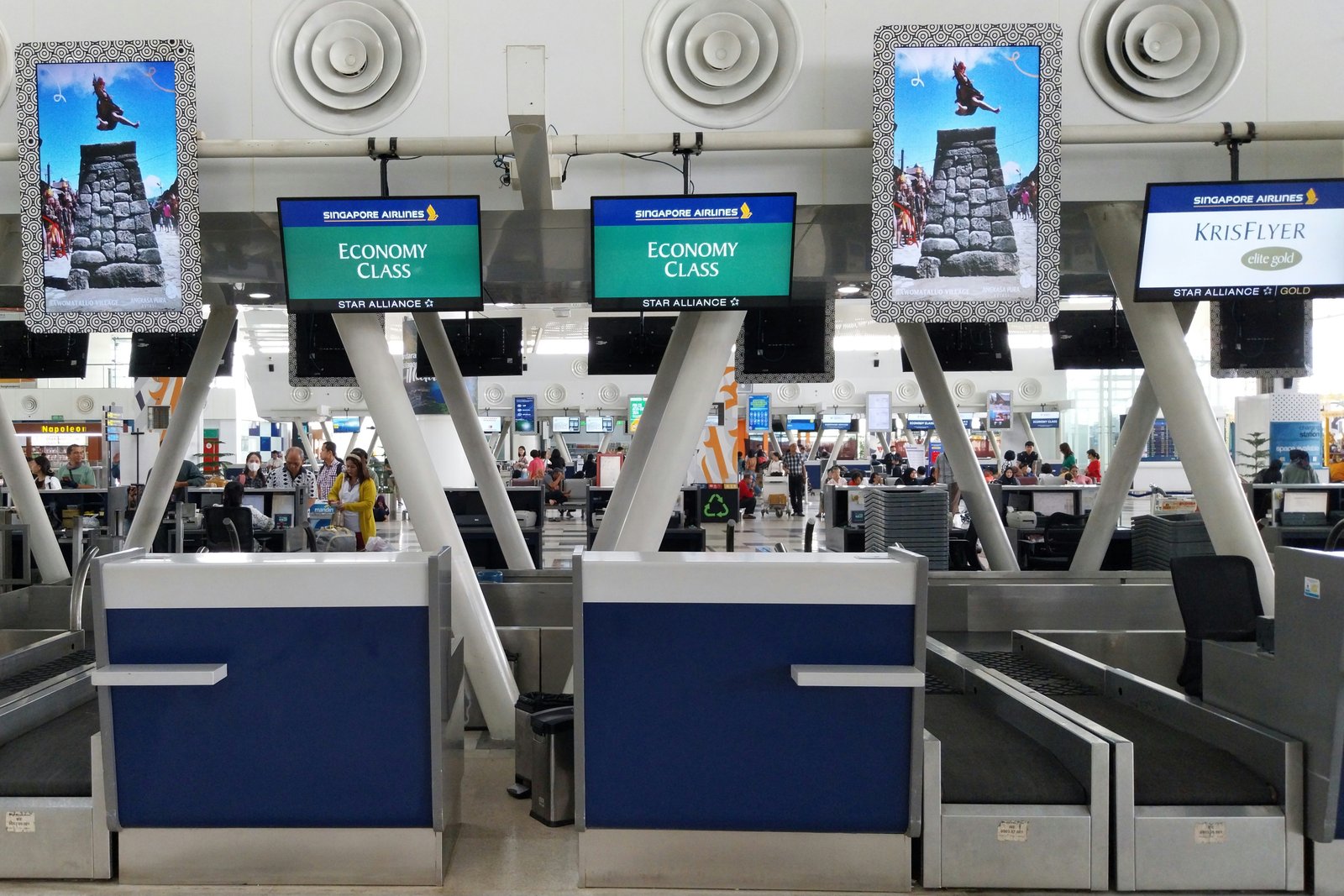
This matters more on a Thailand trip than on a short break, because arriving from the United States generally means checked luggage. A carry-on-only domestic fare and a transpacific suitcase are not compatible, and the add-on bought at the airport costs more than the same add-on bought at booking.
Through-checked baggage
Baggage is through-checked to the final destination on a single ticket, and between codeshare partners on a connected itinerary.
It is not through-checked across separately booked tickets. Two separate bookings mean reclaiming bags at the intermediate airport and checking them in again for the next leg — which is also why a connection between Bangkok's two airports involves a full re-entry into the system rather than a transfer.
Changes and cancellations
Change and cancellation fees vary by fare class and by how close to departure the change is made. The cheapest fares are commonly non-refundable, and on low-cost carriers a change fee plus a fare difference can approach the price of a new ticket.
The fare class is where this is decided, at booking, usually before anyone knows whether the schedule will hold.
The separately booked leg
This is the mechanic with the largest consequence and the least visibility.
When a domestic leg is booked separately from the international ticket, neither airline has any obligation to the other's passenger. If the inbound long-haul is delayed and the domestic connection is missed, there is no rebooking, no compensation, and no protection. The domestic ticket is simply forfeited and a new one has to be bought.
The same structure applies in reverse at the end of a trip: a delayed domestic flight that causes a missed international departure is the traveller's problem, not the carrier's.
This is identical in structure to what happens when a ferry cancellation strands someone before a flight — separate bookings are separate contracts, and weather or delay is nobody's fault, which makes it yours.
Koh Samui is a special case
Koh Samui's airport is privately owned and operated by Bangkok Airways, which limits which carriers serve it. Fewer operators means fewer alternatives if a flight is missed or cancelled — a different situation from Phuket or Krabi, where several carriers compete on the same routes.
The basket that looks like one ticket
The distinction between one ticket and two is the whole of the section above, which makes it worth knowing how the two are told apart — because a booking site will happily sell you two and show you one confirmation.
A single ticket, or a connection between codeshare partners on one itinerary, carries one booking reference for the whole journey and through-checks the bag to the final destination. Two tickets sold together in one basket carry two separate references, and everything in the section above applies: no protection, no through-checking, and a forfeited fare if the first leg runs late.
The reference count is the test, and it is visible on the confirmation email before you fly rather than at a check-in desk after you land.
Where these mechanics land
Baggage rules, fare class and booking structure are all settled at the moment of purchase, typically weeks or months out, and typically in a search that optimises for headline price. What each one costs only becomes visible later — at a check-in desk, or in the gap between a delayed arrival and a departure that has already closed.
How the booking structure interacts with the shape of an itinerary is worked through in the complete Thailand trip guide.
FAQ
Do Thai domestic flights include checked baggage?
Full-service carriers typically include 20 to 30 kg. Low-cost carriers commonly sell carry-on-only fares with checked baggage as a paid add-on, cheaper at booking than at the airport.
Will my bags be checked through to my final destination?
On a single ticket or between codeshare partners, yes. Across separately booked tickets, no — bags must be reclaimed and re-checked.
What happens if a delay makes me miss a separately booked domestic flight?
Neither airline has any obligation to you. There is no rebooking or compensation — the domestic ticket is forfeited and a new one has to be bought.
Can I change a Thai domestic flight?
Fees vary by fare class and timing, and the cheapest fares are commonly non-refundable. On low-cost carriers a change fee plus fare difference can approach the cost of a new ticket.
Why do fewer airlines fly to Koh Samui?
The airport is privately owned and operated by Bangkok Airways, which limits which carriers serve it — and so limits the alternatives if a flight is missed.