Thailand has a well-developed medical system, and what a visitor encounters depends heavily on where they are when they need it. Bangkok and a small island are different countries medically. Here is what exists, what it costs, and how payment works.
Public and private
Thailand runs both systems, and foreign visitors overwhelmingly use the private one.
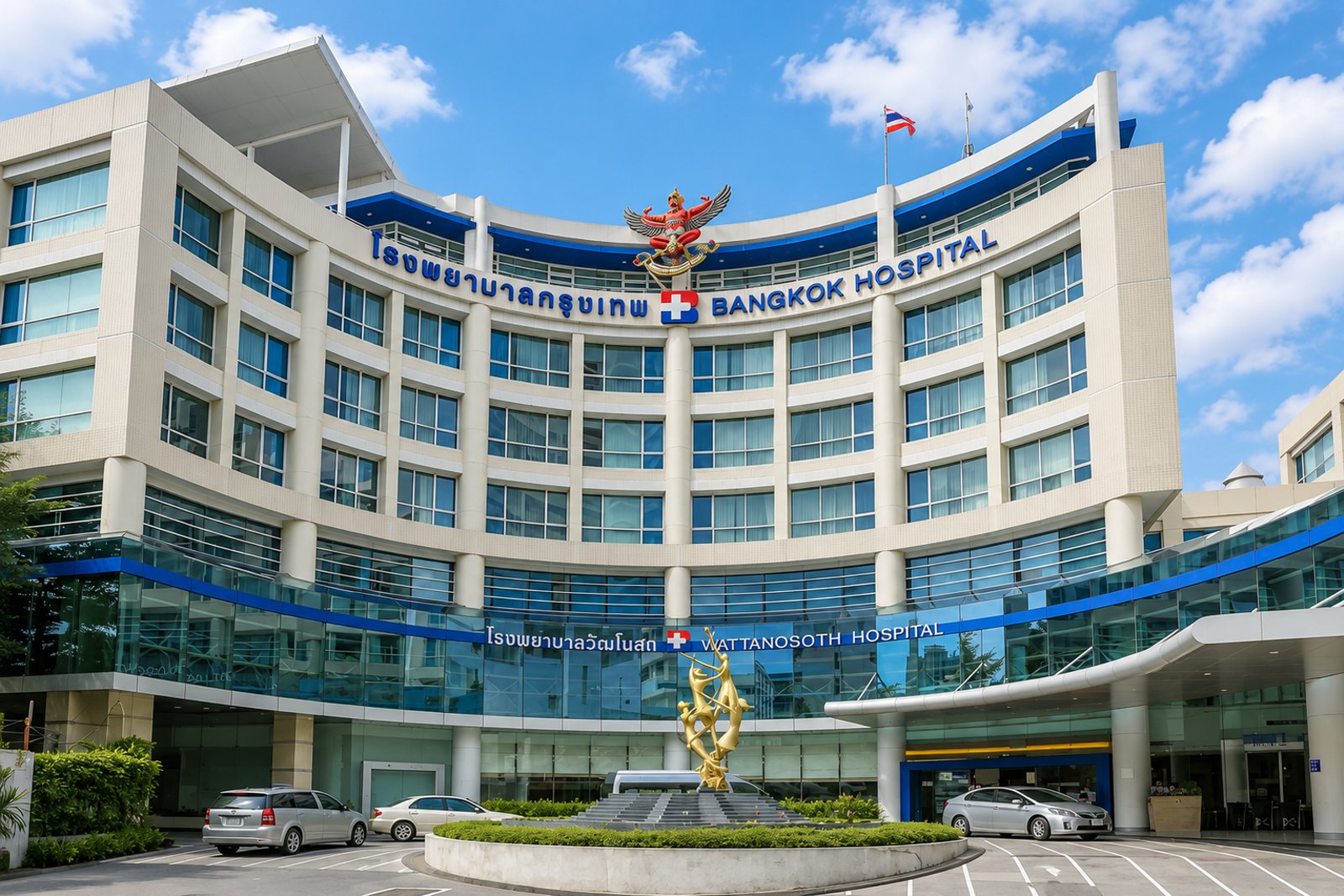
Private hospitals cost more, generally have English-speaking staff, and have shorter waits. Several in Bangkok are set up specifically for international patients, with dedicated international departments.
Public hospitals cost considerably less, have longer waits, and English varies with the institution and the individual. They are not inferior medically — Thailand's public system handles the country's population — but they are not organised around foreign visitors.
What exists where
The tier of care available drops sharply outside the main centres, and this is the fact worth knowing before you need it.
Bangkok has multiple internationally accredited private hospitals with full specialist departments — the top tier of care in the region.
Phuket and Koh Samui have full private hospitals capable of handling serious cases.
Koh Phangan, Koh Tao, Koh Lanta and Koh Chang have clinics or basic facilities rather than full hospitals. They can handle ordinary problems — infections, minor injuries, stomach trouble — and they stabilise rather than treat anything serious.
That last distinction is the one that matters. A clinic on a small island is a first response, not a destination. Anything beyond its scope means a transfer, which our guide to medical evacuation from Thai islands covers.
How payment works
Private hospitals typically require payment, or a guarantee of payment from an insurer, before non-emergency treatment. This surprises Americans used to being treated first and billed later.
A guarantee of payment is a document the insurer issues to the specific hospital, arranged through the insurer's assistance line. Without one, the patient pays and claims back afterwards — which means having the funds available at the time. Our guide to what travel insurance actually covers goes through that mechanic in detail.
Pharmacies
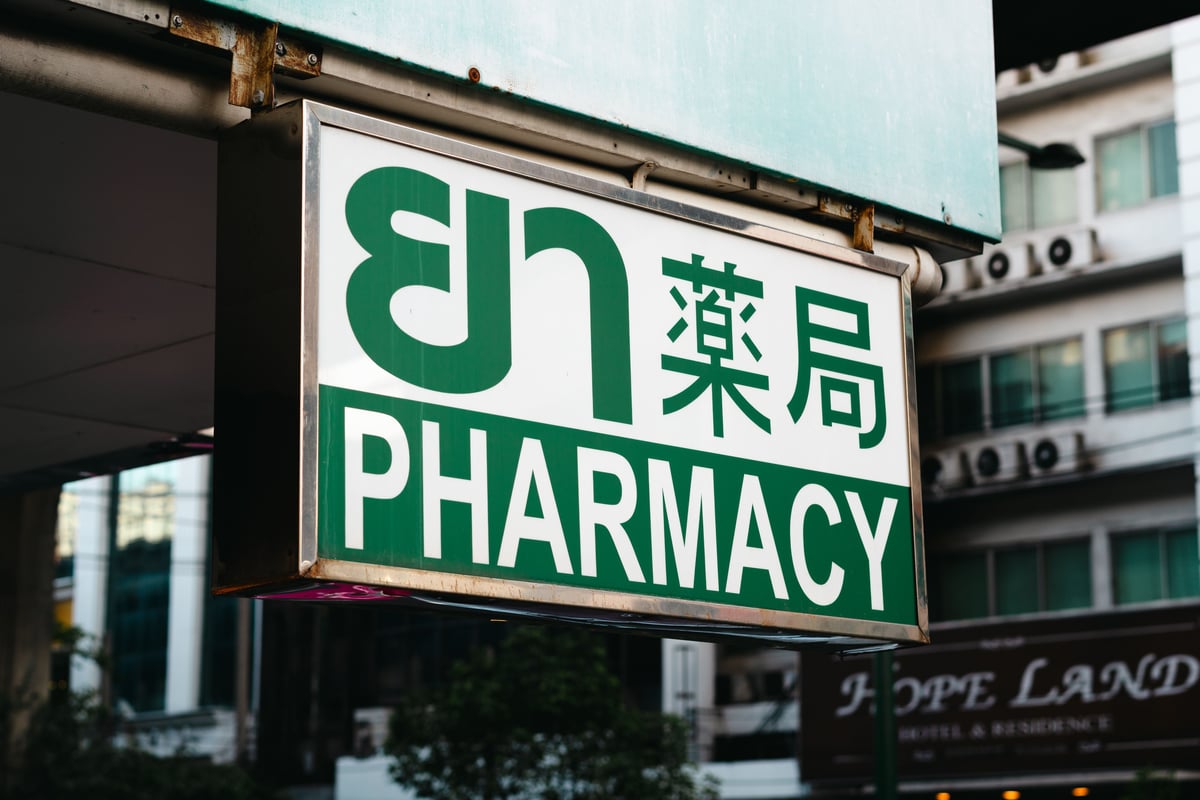
Thai pharmacies operate with a wider scope than American ones. Many medications that require a prescription in the United States are available over the counter, and pharmacists routinely advise on minor complaints.
For a visitor this cuts two ways: minor problems that would need a doctor's appointment at home can often be handled at a pharmacy counter, and medications that are tightly controlled at home may be easier to obtain than expected. What a pharmacy can dispense varies, and anything requiring a diagnosis is still a doctor's job.
Continuing a prescription
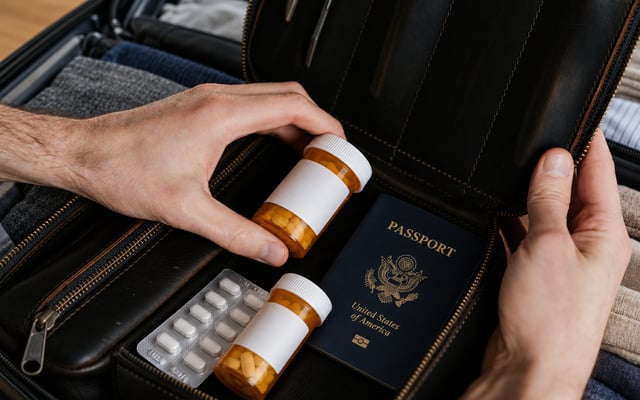
Refilling a US prescription in Thailand generally requires a consultation with a local doctor, who issues a Thai prescription. Bringing the original prescription and keeping medication in its labelled packaging makes that process straightforward.
Emergency numbers
The nationwide medical emergency number is 1669.
The Tourist Police line, 1155, is English-speaking and is frequently the more practical first call for a visitor who does not speak Thai — they can translate and coordinate. For a genuine medical emergency, 1669 is the number; for anything where the language barrier is itself the obstacle, 1155 is worth knowing.
What it costs
Private care in Thailand is inexpensive by American standards for small things and expensive in absolute terms for large ones, and the gap between those two is where travellers get caught.
A pharmacy consultation or a clinic visit for an infection or a stomach upset is the kind of sum you would not think twice about at home. A serious injury requiring surgery at a private hospital runs into the tens of thousands of US dollars, and a medical evacuation off a small island runs into five figures on top of that.
Neither number is the reason to worry — the reason is the payment order described below. A hospital that wants a guarantee of payment before treating you is asking a question your insurer answers, not your credit card, provided the call was made in time. Two things Americans routinely assume cover them generally do not: US domestic health insurance provides little or no coverage abroad, and credit-card travel benefits are usually thinner than a dedicated policy.
What this connects to
Where you are staying determines what medical tier you are near, what an emergency transfer would involve, and how much a policy's evacuation coverage matters. Those are three separate things that get decided at three separate times — accommodation weeks out, insurance in a single sitting, and the emergency, if it comes, without warning.
How the medical picture connects to the base and island decisions is worked through in the complete Thailand trip guide.
FAQ
What is the emergency number in Thailand?
1669 for medical emergencies nationwide. The Tourist Police line, 1155, is English-speaking and is often the more practical first call for a visitor facing a language barrier.
Do Thai hospitals treat you before payment?
Private hospitals typically require payment or a guarantee of payment from an insurer before non-emergency treatment. A guarantee is arranged through the insurer's assistance line, not by the hospital.
Is there a hospital on Koh Tao?
Koh Tao has clinics rather than a full hospital. Koh Samui and Phuket have full private hospitals; Koh Phangan, Koh Lanta and Koh Chang have clinic-level facilities.
Can I buy medication over the counter in Thailand?
Thai pharmacies dispense many medications that require a prescription in the United States, and pharmacists advise on minor complaints. Anything requiring a diagnosis still needs a doctor.
Can I refill a US prescription in Thailand?
Generally through a consultation with a local doctor who issues a Thai prescription. Bringing the original prescription and keeping medication in labelled packaging helps.