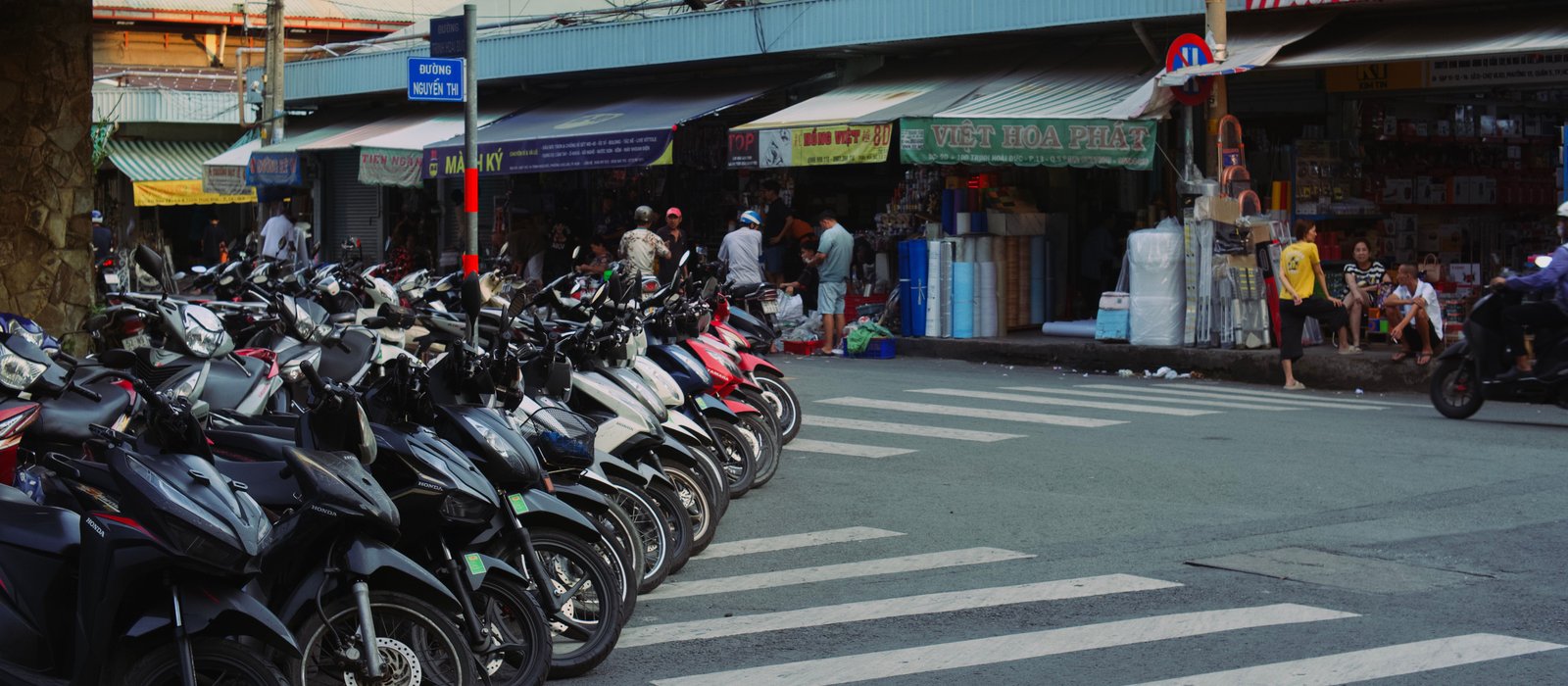
Renting a scooter is one of the easiest things to do in Thailand and one of the most common. Vendors hand over a bike for a small daily rate, often without asking for much. The part that catches Americans out is not the riding — it is that the same casual transaction that makes renting easy is what can leave you uninsured if something happens. Here is the actual chain, and what to sort out before you go.
What Thailand legally requires
To ride a motorbike or scooter legally in Thailand you need a valid motorcycle licence from your home country, plus an International Driving Permit. Both, not either.
The International Driving Permit
Thailand recognises the 1949 Geneva Convention permit, which is the standard one issued in the United States. In the US only AAA and AATA are authorised to issue it — anything else offering you an "international licence" online is not the real document.
It costs around $20 plus photo fees. You can walk into a AAA branch and get one the same day, or apply by mail and wait anywhere from about a week upward. That same-day option matters: this is a fixable problem right up until you fly, and an unfixable one afterwards.
The part most people miss
Here is the detail that catches out otherwise careful travelers. An IDP does not grant you anything. It translates the entitlements your home licence already carries into a format Thai authorities can read.
So if your US driver's licence has no motorcycle endorsement — and most do not, because most Americans have never ridden — then your IDP does not add one. You can hold a valid driver's licence, hold a valid IDP, do everything you thought was required, and still not be licensed to ride a scooter. That gap is where insurance claims get denied, and it is invisible unless someone tells you about it.
What actually happens at the rental shop
Very little. Vendors rarely check licence details with any care, and plenty will hand over a bike against a passport photocopy and a cash deposit without asking whether you can legally ride it.
It is worth being clear about what that means: the vendor not checking is not permission. It is simply the reason most people discover the problem after a crash instead of before one. The transaction feels like approval and carries none.
One related trap, covered in more detail in our guide to common scams in Thailand: never leave your actual passport as a deposit. A photocopy or a cash deposit is normal and safe; the original in someone else's drawer is leverage against you in any dispute about damage.
Being stopped versus being hurt
There are two costs here and they are wildly different in size, which is why conflating them leads people astray.
The small one
Police checkpoints are common in tourist areas, and riding without the right permit or without a helmet typically means a fine of a few hundred baht — commonly in the region of 400 to 500. Helmets are legally required for both rider and passenger. Being stopped is an inconvenience and a small expense, and travelers who have been stopped once tend to conclude, reasonably enough, that the whole issue is overblown.
The large one
The fine is not the risk. The risk is that many travel insurance policies exclude motorbike accidents where the rider held no valid motorcycle licence, or was not wearing a helmet — and where the exclusion applies, the insurer can deny the claim in full. Not reduce it. Deny it.
What an uninsured accident costs
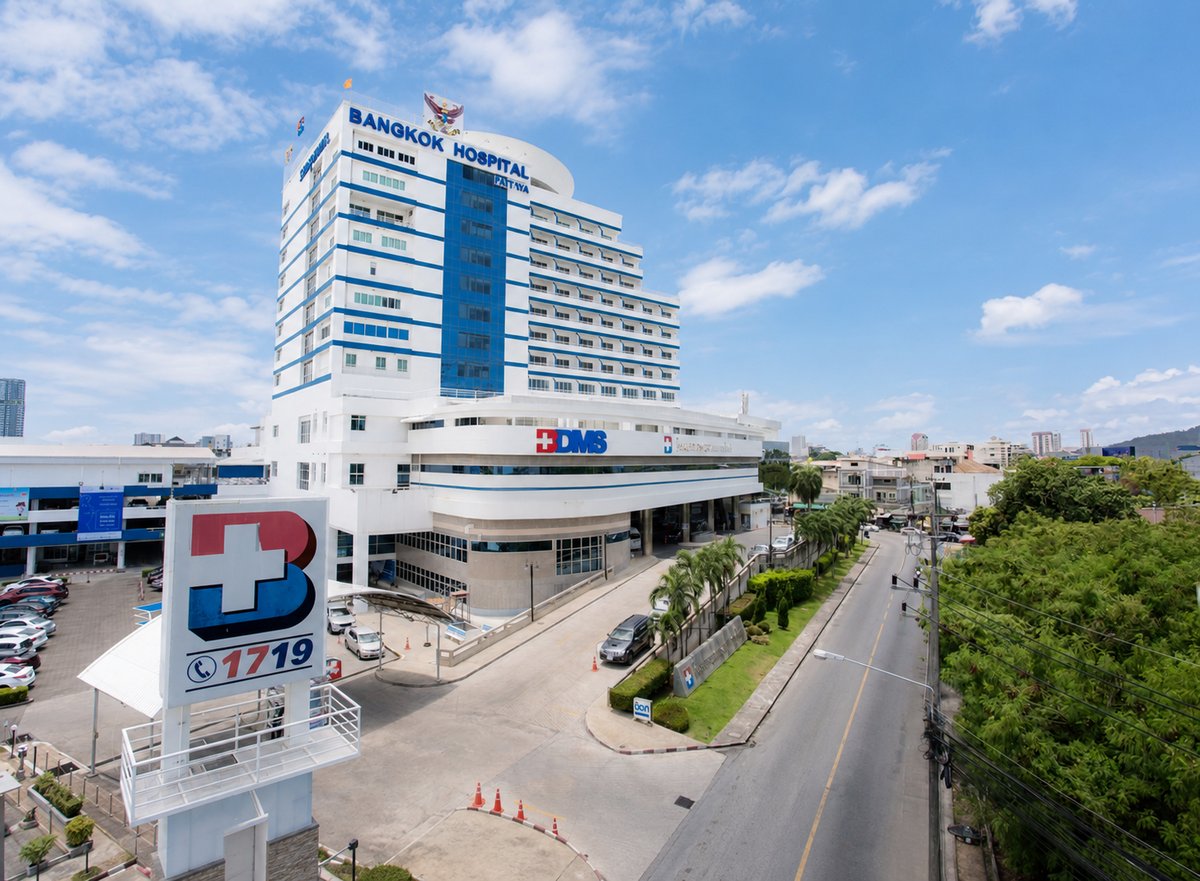
Thai private hospitals are excellent and they expect payment. A serious motorbike injury requiring surgery runs into the tens of thousands of US dollars at a private hospital — the kind of number that reshapes a year, not a holiday.
Medical evacuation is the expensive line item on top of that. Getting someone off a small island to Bangkok, or home to the United States with medical support, can cost far more again. It is the specific coverage worth confirming you have, because it is the one people assume is included and often is not.
Two things Americans routinely assume cover them and generally do not: your domestic US health insurance provides little or no coverage abroad and almost never covers evacuation, and credit card travel benefits are usually thinner than a dedicated policy. Our guide to travel insurance for Thailand goes through what a policy should actually include.
Road accidents are the most common serious problem travelers face in Thailand, and motorbikes are overwhelmingly the vehicle involved. That is not a reason to avoid the country; it is a reason to be the person who sorted out the paperwork.
What to sort out before you fly
All of this is cheap and easy to fix in advance, and impossible to fix afterwards:
Get the motorcycle endorsement on your home licence if there is any chance you will ride. This is the long-lead item — it may involve a test — and it is the one that actually determines whether you are covered.
Get the IDP from AAA or AATA. Same day in person, around $20.
Confirm your policy in writing — specifically what it says about motorbike riding, and under what conditions it pays out.
Wear the helmet, every time. It is legally required, and it is frequently a condition of the coverage itself.
Photograph the bike before you ride away, documenting existing damage.
If you already know you will not ride, none of this applies to you, and that is a perfectly good trip rather than a timid one. The travelers who get caught are almost never the ones who planned to ride. They are the ones who found themselves somewhere the beach was six kilometres away, the songthaews had stopped, and a scooter was obviously the easiest answer — and checking travel insurance terms is something to do before that afternoon rather than after it.
Why this is really an itinerary question
Notice what actually decides this. Not risk appetite — geography. Islands and towns where the beaches, viewpoints and restaurants are spread out are the ones where nearly everyone ends up renting something, whatever they intended when they booked. Places with a walkable centre, or cheap and frequent songthaews, are the ones where a scooter simply never comes up.
Which means whether you will be riding is mostly settled weeks earlier, when you choose where to stay — which is exactly the moment nobody is thinking about licence endorsements. By the time the question is live, the endorsement is no longer obtainable.
Which bases genuinely require wheels and which quietly do not is mapped out in the complete Thailand trip guide.
FAQ
Do I need an International Driving Permit to ride a scooter in Thailand?
Yes — Thailand requires a valid motorcycle licence from your home country plus a 1949 Geneva Convention IDP. In the US, only AAA and AATA are authorised to issue one.
Is an IDP enough on its own?
No, and this is the detail that catches people out. An IDP only translates the entitlements your home licence already carries. If your US licence has no motorcycle endorsement, the IDP does not add one — you would be riding unlicensed even holding both documents.
Will rental shops check my licence?
Usually not with any care. But the vendor not checking is not permission, and it has no bearing on whether your insurer pays out if you crash.
Will my travel insurance cover a scooter accident?
It depends entirely on your policy. Many exclude motorbike accidents where the rider had no valid motorcycle licence or no helmet, and can deny the claim in full. Confirm your own policy's wording in writing before you ride rather than assuming.
How much does a motorbike accident cost without insurance?
A serious injury requiring surgery at a Thai private hospital runs into the tens of thousands of US dollars, with medical evacuation costing considerably more again. US domestic health insurance generally will not cover it.