Does Grab Work in Thailand? Coverage by City and Island
Yes in Bangkok, Chiang Mai, Phuket, Koh Samui and Krabi/Ao Nang. No on Koh Tao or Koh Phangan. The coverage map, and what to use where Grab doesn't run.
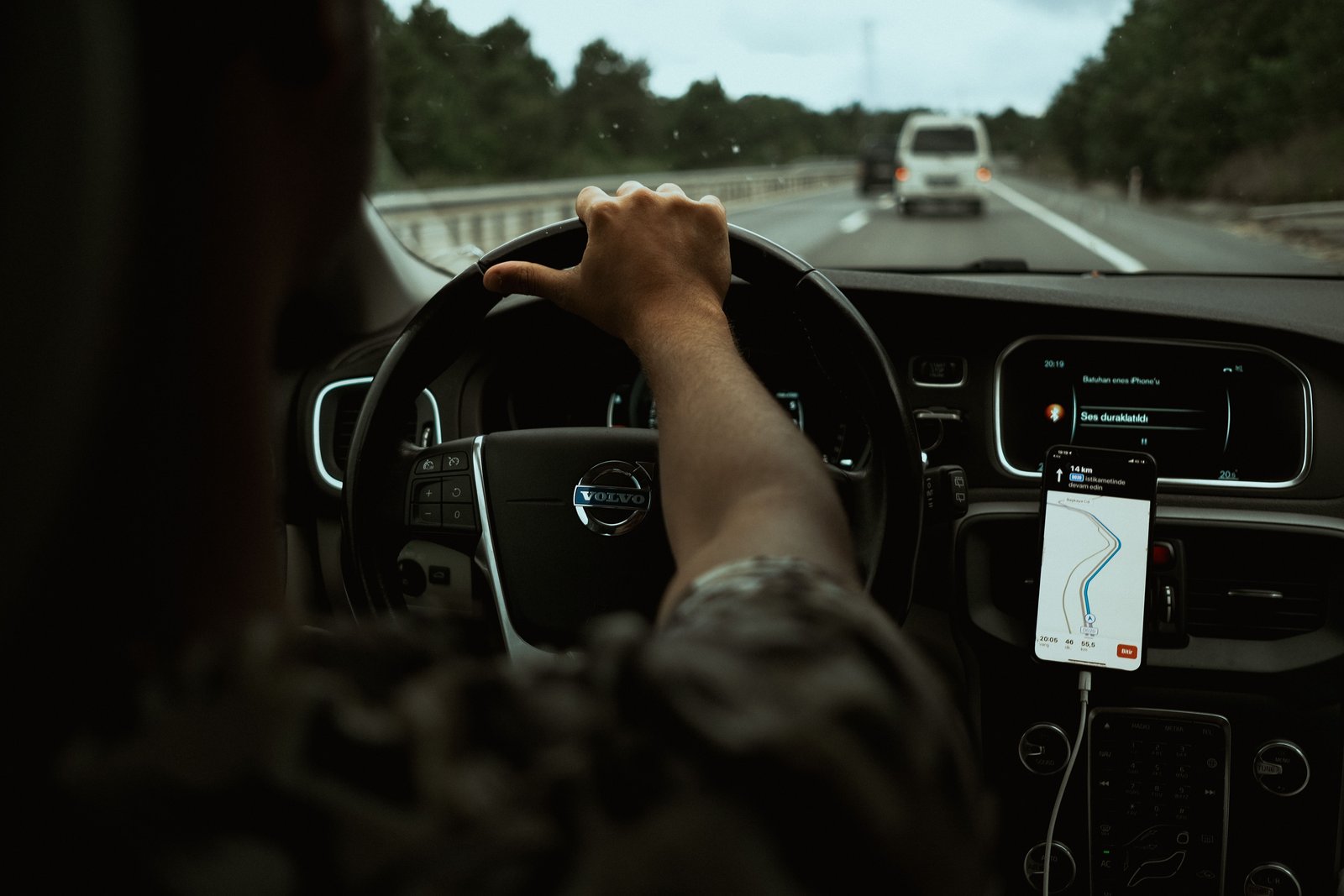
Grab is Thailand's dominant ride-hailing app, and where it operates it removes most of the friction of getting around — fixed prices, no negotiation, no language barrier. Where it does not operate, the fallback is a different system with different rules. Here is the actual coverage map.
Where Grab operates
Grab runs in Bangkok, Chiang Mai, Phuket, Koh Samui, and the Krabi and Ao Nang area. In each of these, both car and motorbike-taxi options are generally available, with the motorbike option cheaper and faster in traffic.
The pricing model is the thing that distinguishes it: you see the fare before you book, and it does not change. No meter to refuse, no negotiation, no route dispute.
Where it does not
Grab does not operate on Koh Tao or Koh Phangan. It appears not to operate on Koh Lanta or Koh Chang, though the evidence there is thinner.
The line falls in a consistent place. Grab covers the large developed islands and the mainland cities. It stops at the smaller islands.
What that line coincides with
The islands without Grab share several other characteristics, and they compound rather than offset.
Where Grab operates, the shared-truck networks also tend to be more formal — Phuket runs fixed routes 6am to 6pm at 15 to 50 baht, Ao Nang runs colour-coded routes every 10 to 20 minutes at 50 to 60 baht. Where Grab does not operate, fares are more often negotiated than posted, operating hours are less documented, and the per-trip cost is higher. The two do not offset each other. Somewhere with a good shared-truck network but no Grab would be one thing; somewhere with neither is another. The islands fall into the second group rather than the first.
Koh Tao is the clearest illustration. No Grab, and its pickup-truck taxis charge fixed per-route rates of about 300 to 500 baht for one or two people from Mae Haad, with roughly 100 baht per additional passenger, on an island only 7.5 km long. Koh Phangan has no Grab and fares reported anywhere between 50 and 500 baht depending on distance and negotiation.
So the places with the fewest transport options also have the least price transparency and the highest per-trip cost. The gap is not evenly distributed — and it runs opposite to what island size would suggest, since the small islands people expect to be cheap and simple are the ones where a single trip costs the most and the price is least knowable in advance. On Phuket or Samui the choice is between several priced options; on Koh Tao or Koh Phangan it is between one unpriced option and your own two wheels.
The metered alternative in the cities
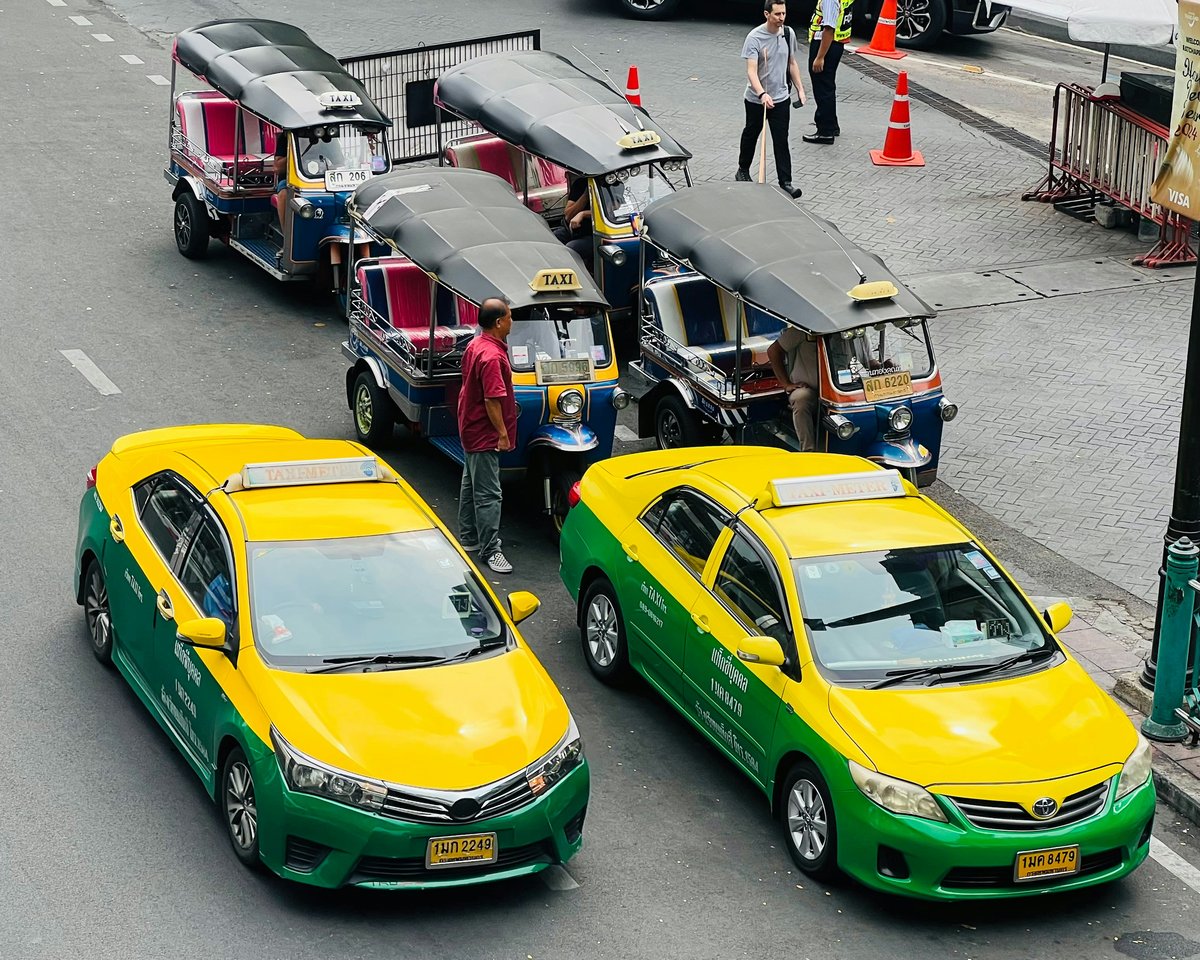
In Bangkok and Chiang Mai, metered taxis operate alongside Grab. The meter exists and is legally required to be used. Whether a given driver uses it is a separate matter, which is covered in our guide to tuk-tuks and taxis in Thailand.
The practical difference is that Grab's price is agreed before the ride and a taxi's is settled after it. That distinction matters more where you do not speak the language or know the route.
What is not well documented
Wait times are the main gap. There is no reliable figure for how long a Grab typically takes to arrive in any of the places it operates, and reported experiences vary with time of day and location within each place.
Coverage on Koh Lanta and Koh Chang is also less certain than the clear absence on Koh Tao and Koh Phangan — the evidence points to no service, but it rests on fewer sources.
How coverage interacts with everything else
Ride-hailing availability is one layer of a picture that also includes how far apart things sit on each island, what the shared-truck networks cost and when they run, and what the road conditions are like after dark. Each of those is documented separately and none of them alone describes what a day of moving around actually looks like.
How the layers combine for a specific set of bases is worked through in the complete Thailand trip guide.
FAQ
Does Grab work in Thailand?
In Bangkok, Chiang Mai, Phuket, Koh Samui and the Krabi and Ao Nang area. It does not operate on Koh Tao or Koh Phangan, and appears not to on Koh Lanta or Koh Chang.
What do I use where Grab does not operate?
The local shared pickup trucks, which on those islands tend to run as fixed-rate charter taxis rather than shared routes. On Koh Tao that means about 300 to 500 baht per trip for one or two people.
Is Grab cheaper than a taxi in Bangkok?
Not necessarily cheaper, but the price is fixed and shown before you book, which removes the meter question entirely.
Does Grab offer motorbike taxis?
Yes, in the areas where it operates. The motorbike option is cheaper than the car option and faster in heavy traffic.
How long do Grab rides take to arrive?
There is no reliable published figure. Reported wait times vary considerably by time of day and by location within each area it serves.